
Movie Review – Wake Up Dead Man: A Knives Out Mystery
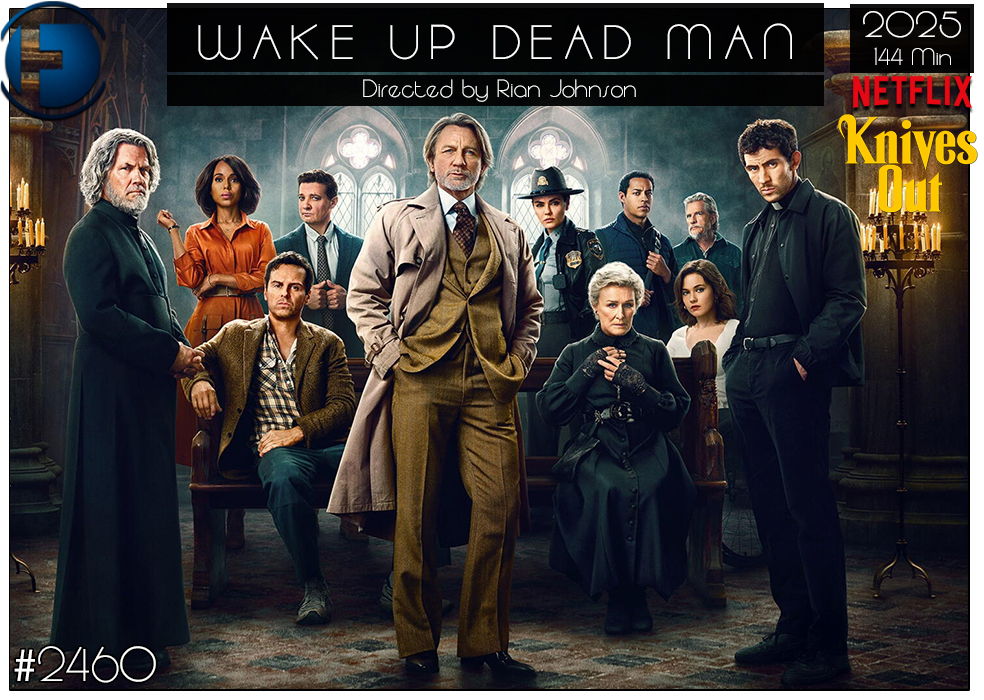
Principal Cast : Daniel Craig, Josh O’Connor, Glenn Close, Josh Brolin, Mila Kunis, Jeremy Renner, Kerry Washington, Andrew Scott, Cailee Spaeny, Daryl McCormack, Thomas Hayden Church, Jeffrey Wright, Annie Hamilton, James Faulkener, Bridget Everett.
Synopsis: Detective Benoit Blanc teams up with an earnest young priest to investigate a perfectly impossible crime at a small-town church with a dark history.
********
Rian Johnson fans, unite – there’s another Knives Out mystery, and it’s churchier, darker and far more on-the-nose than either of the previous films, which is saying something given how pretty goddamn on-the-nose Glass Onion already was. Replacing family rifts and hedonistic rich-and-famous Elon Musk archetypes with a Stephen King-flavoured horror-thriller mystery, Johnson returns to write this hodgepodge of pointed remarks about American society and politics, veiled Christo-fascist rantings delivered by a ferocious Josh Brolin, chewing scenery like nobody’s business. The result is a whodunnit that’s less about the mystery itself and more about performance – specifically the extraordinary work of Josh O’Connor (The Crown), whose award-worthy turn as conflicted Catholic priest Jud Duplenticy manages to successfully relegate Daniel Craig’s eponymous Benoit Blanc to second fiddle in his own movie.
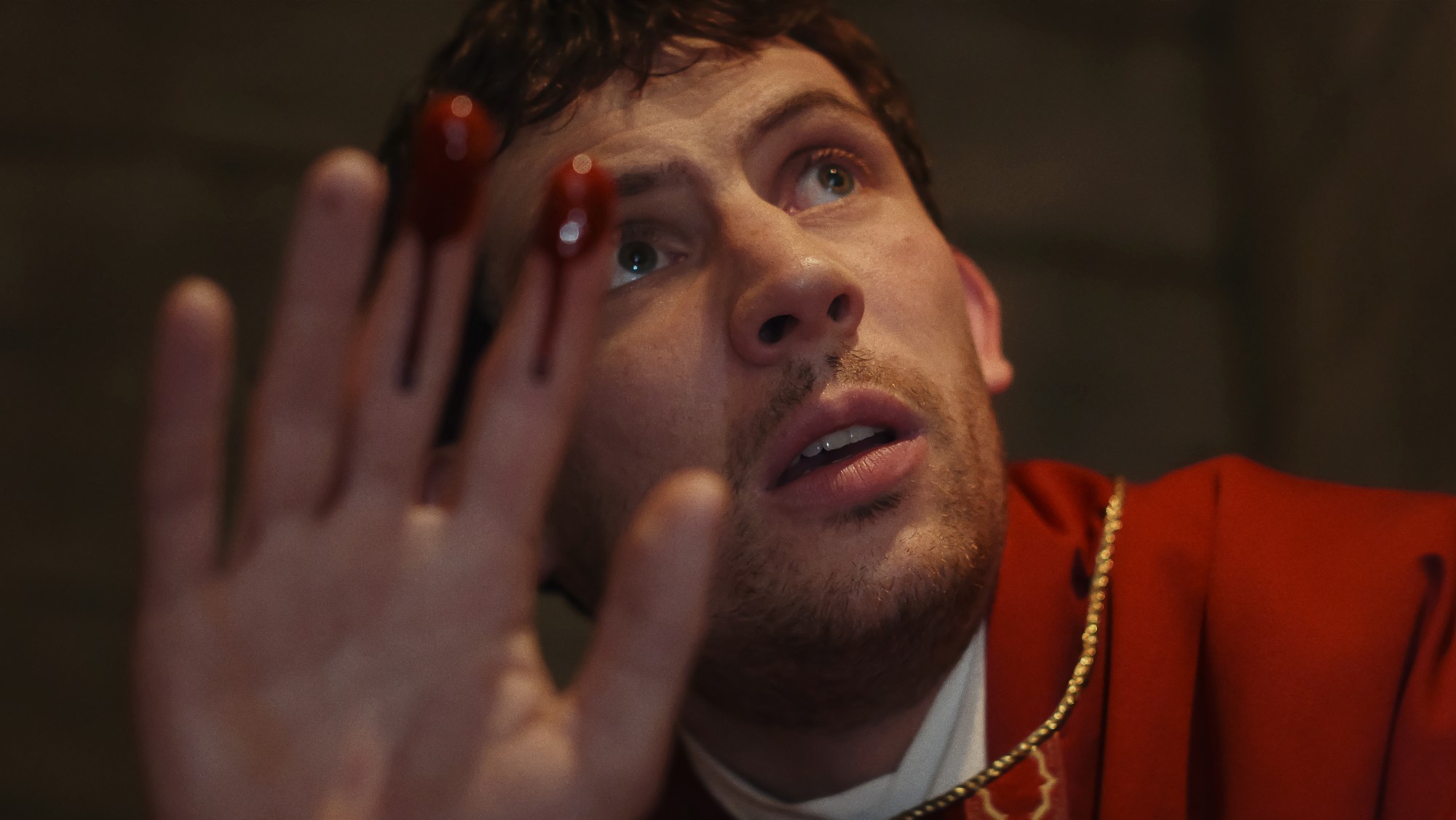
The resurgence of mystery movies into the popular mainstream has been a slow-burn affair, driven on either side of the Atlantic by Johnson and the Knives Out franchise on one hand, and Kenneth Branagh’s modernised Agatha Christie adaptations featuring Hercule Poirot on the other. Both series now sit at three instalments apiece, and while Branagh’s films appear dead in the water over at Disney, Netflix still seem keen to unload dump trucks of money onto Rian Johnson’s doorstep for more labyrinthine brain-busters in the mould of Glass Onion or the original Knives Out.
I’ve always had a soft spot for mystery films like these, having grown up on formative genre entries such as Clue and Murder by Death, and it’s the cleverness of the writing that remains the most impressive part of these cinematic escapades. Murder mystery films are generally throwaway pulp material, often puerile or salacious like the Philo Vance series, or semi-serious literary curios like the earliest Sherlock Holmes adaptations of the early twentieth century. Rarely, if ever, should this genre be considered an intellectual pursuit, despite the intellectual hero typically sitting at its centre. Johnson, to his credit, has repeatedly used the pompous machinations of Craig’s enigmatic Blanc as a Trojan horse for a variety of pointed observations about the real world.
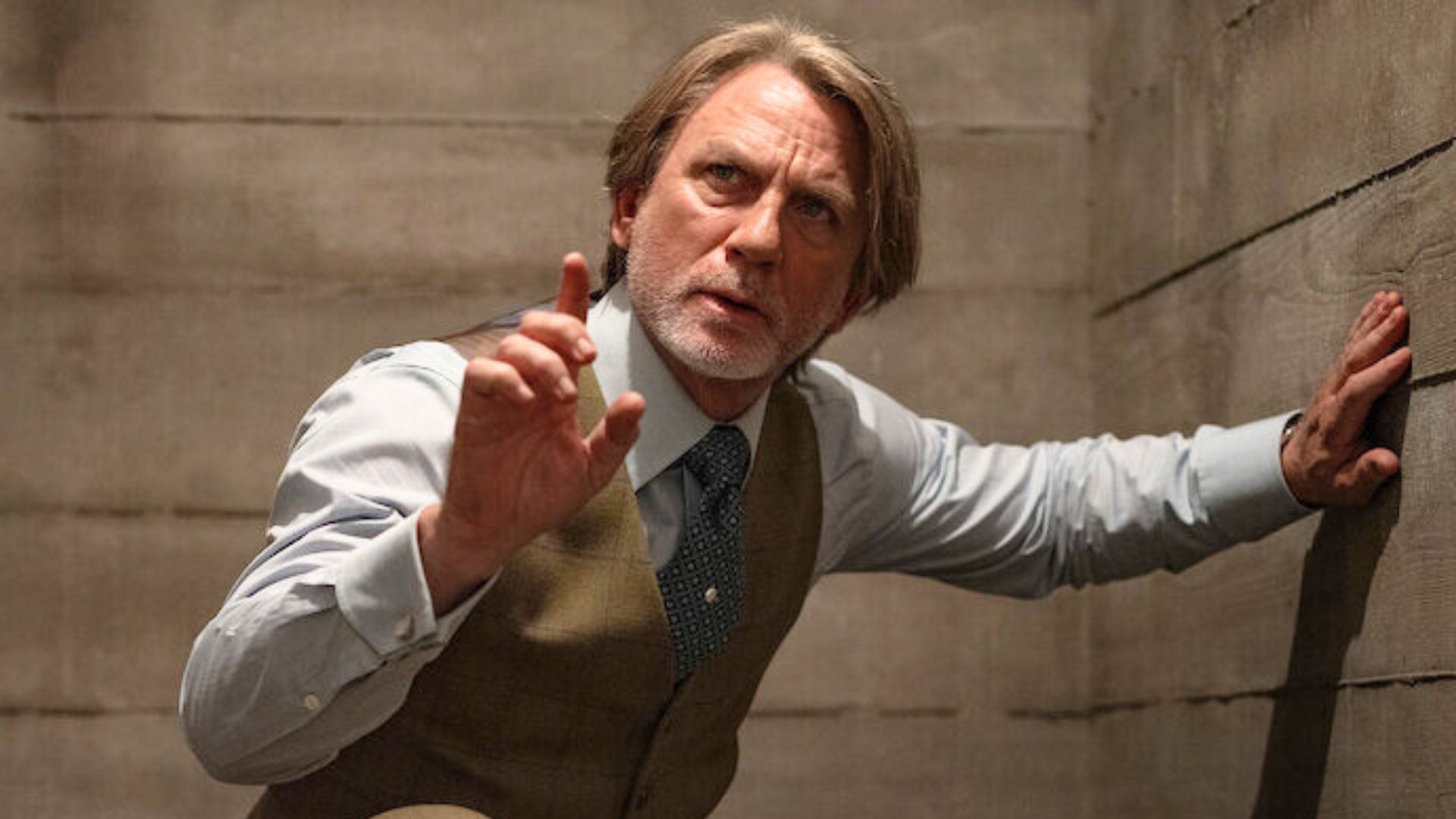
Where Knives Out and Glass Onion cloaked these subtextual statements in wit and misdirection, Wake Up Dead Man takes a sledgehammer to not only modern conservatism, but the entire American Christian far-right and the country’s eagerness to gnash teeth and wail while a bullyboy bellows from the pulpit. It plays less like an attack on any one individual and more as a condemnation of a society the film views as fundamentally broken. It’s a brute-force approach that sits cruelly ill-at-ease alongside Blanc’s previous, more playful tableau adventures, and the detective himself doesn’t even appear until well into the proceedings. When he does arrive, Blanc remains largely a background presence to Josh O’Connor’s tremendous work as a young, inexperienced priest caught up in the murder of his fire-and-brimstone superior, Father Jefferson Wicks, played with venomous glee by Brolin.
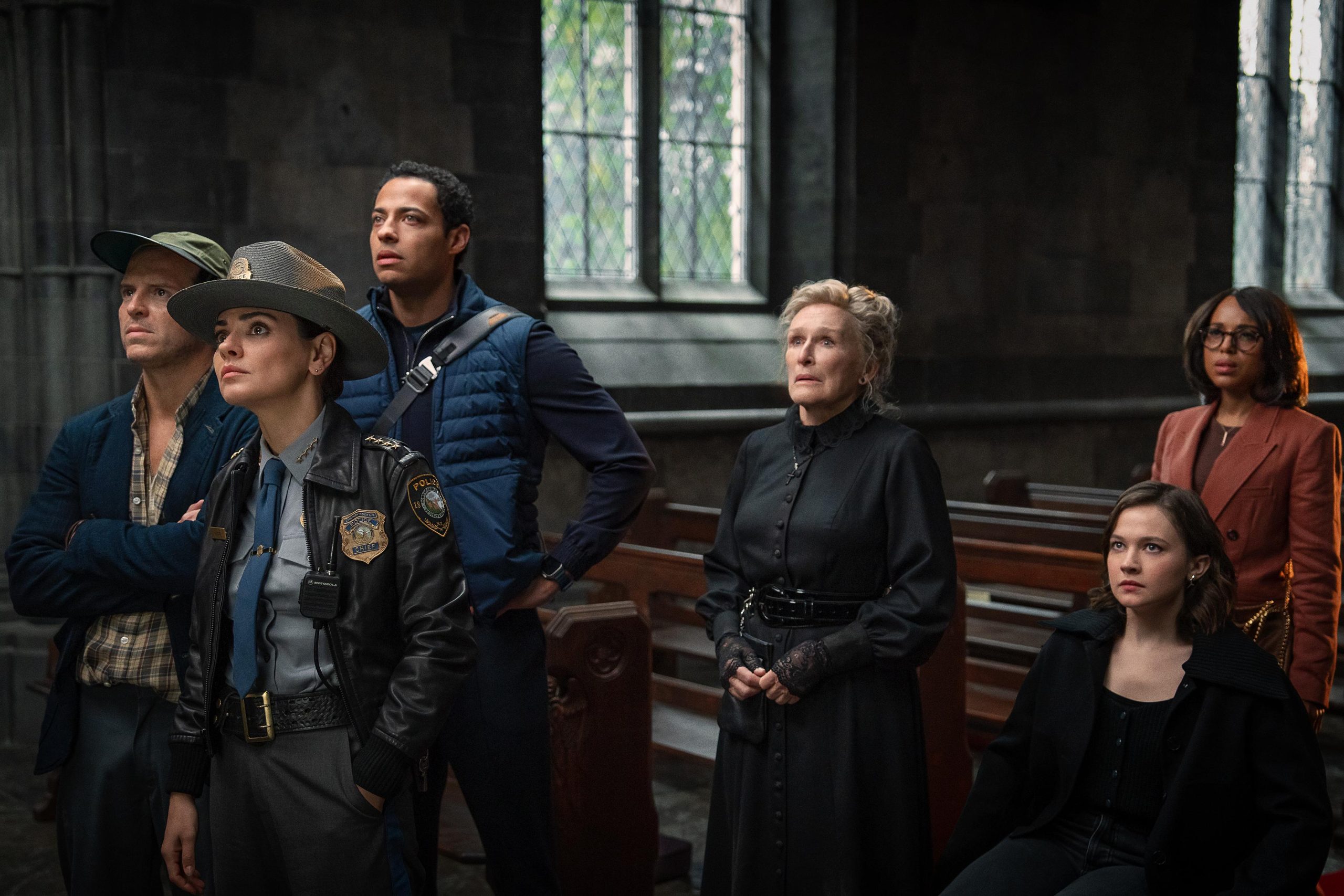
The ensemble cast reads like a roll-call of Hollywood credibility: Glenn Close as a church caretaker harbouring secrets, Mila Kunis as a police chief with no regard for procedure, and Jeremy Renner as the world’s worst divorced man. Throw in everyone’s favourite ace-in-the-hole Andrew Scott – who, it must be said, is thoroughly wasted in the finished film – alongside an all-too-brief cameo by Jeffrey Wright, and Wake Up Dead Man wants for nothing in terms of acting firepower. Johnson and Craig drag us, kicking and screaming, into the sinister woodlands of upstate New York for a grim parlour game of What Does Rian Johnson Think About Faith?
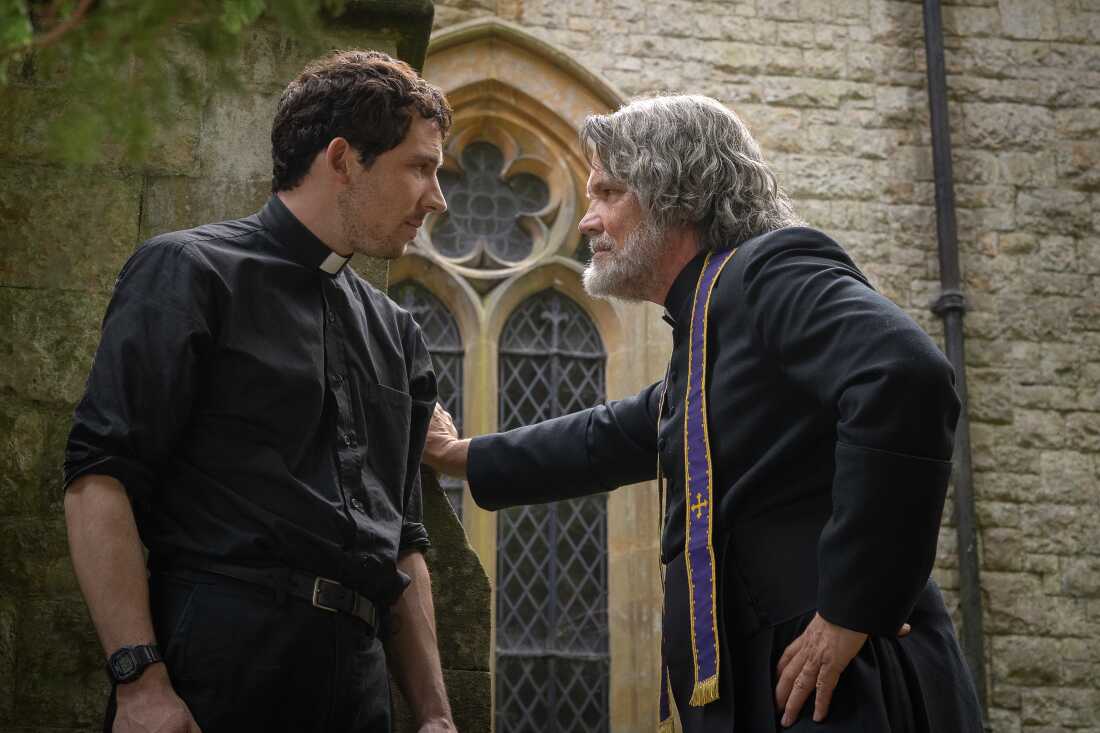
The film ventures into far darker thematic territory than its predecessors, which may catch some viewers off guard, and for much of the running time Daniel Craig’s Benoit Blanc is, for reasons never entirely clarified, profoundly unlikeable. Structurally, the narrative twists itself into pretzels to prise open red herrings, a-ha moments of revelation and visual sleight of hand, all balanced with Johnson’s typically precise sense of timing and framing to maximise audience investment – and to justify the budget required to corral this many recognisable actors.
Again, the writing proves a little too blunt in its real-world commentary on contemporary American shenanigans, and perhaps Johnson intended this as a deliberate act of bludgeoning simpleton MAGA viewers over the head with their own stupidity. If that was the intent, I’ll grant him a mulligan. If it wasn’t, then Wake Up Dead Man represents a weaker script than those underpinning the previous two films. The leaps in logic and plot machinations feel more absurd than usual, with this instalment featuring a cheap sensor-light gag, a bathtub full of acid, and the most eccentric mausoleum locking device you’ll ever encounter outside of a David Fincher film. Johnson asks us to suspend a lot of disbelief – far more than I was willing to provide – and that resistance coloured my expectations more negatively than I’d anticipated. The film itself isn’t bad, and by most standards it’s pretty fucking great, but compared to both Knives Out and Glass Onion, this is a weaker overall narrative.
What ultimately rescues Wake Up Dead Man is the superb performance by Josh O’Connor, who absolutely steals the film from everyone else around him, Daniel Craig included. Craig may remain the franchise’s lynchpin, but the film’s emotional core and gravitas rest squarely on O’Connor’s shoulders. Father Jud’s journey is an unexpectedly profound one, evolving from a man of conflicted faith into someone with contented belief and resolute idealism. The film is arguably only as strong as it is because of O’Connor’s ability to chart that emotional progression, moving from anger to terror, from forlorn despair to quiet restoration over the course of the considerable running time. To Johnson’s credit, the film never feels its length, clocking in at a briskly paced two hours and twenty minutes. While the escalating twists and revelations threaten to overwhelm the narrative, both O’Connor and, to a lesser extent, Craig deliver the taut, graceful performances their characters demand.

If this review reads as ambivalent, that’s because Wake Up Dead Man itself seems unsure of what point it’s most keen to make. In attempting to shoehorn in innumerable subtexts and thematic ideas, Johnson weakens his central emotional throughline. That’s less a damning criticism than a personal observation on an otherwise very fun, very clever and very thoughtful film. Everyone involved appears to be enjoying themselves, Johnson seems fuelled by artistic confidence and operating at the height of his powers, and Benoit Blanc has firmly entered the modern lexicon alongside Sherlock Holmes and Hercule Poirot as an enigmatic solver of the seemingly unsolvable. Like Holmes and Poirot, Blanc is not infallible, nor without flaw, and that imperfection makes him a far more interesting figure than one might expect. Wake Up Dead Man is solid, entertaining and almost guaranteed to make some viewers shift uncomfortably in their seats. Even if you don’t like it, that discomfort alone might make it worthwhile.
Who wrote this?