
Movie Review – Das Boot (1997 Directors Cut)
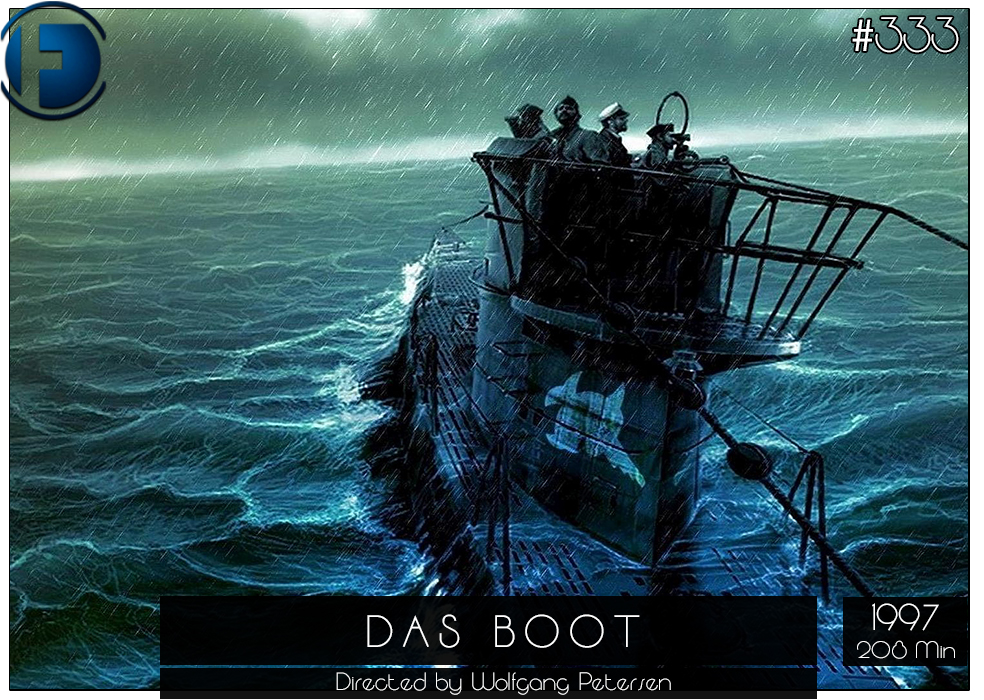
Principal Cast : Jurgen Prochnow, Klaus Wennemann, Herbert Grönemeyer, Hubertus Bengsch, Bernd Tauber, Martin Semmelrogge, Erwin Leder, Martin May, Heinz Hoenig, Uwe Ochsenknecht, Claude-Oliver Rudolph, Jan Fedder, Ralf Richter, Joachim Bernhard, Otto Sander, Günter Lamprecht.
Synopsis: The crew of a German U-boat face incredible odds to carry out their orders as the War is coming to a close, and the odds stack up against them.
*********
This review is based on the 1997 Director’s Cut version of Das Boot, one of many alternative releases since it’s 1982 theatrical debut.
Epic, terrifying and epochal, Wolfgang Petersen’s Das Boot (English title: The Boat) remains one of cinema’s most punishing and humane war films, set during the twilight of German naval success in the Second World War. Far removed from the Hollywood-polished theatrics of submariner conflict exemplified by U-571, Petersen’s film confronts the uncomfortable reality that even the men fighting on the German side were increasingly questioning their orders in the face of inevitable defeat. These are not square-jawed Matthew McConaughey types, but husbands, brothers, lovers and sons — men who never consider themselves brave or heroic, merely soldiers bound by duty to a country already beginning to betray them.
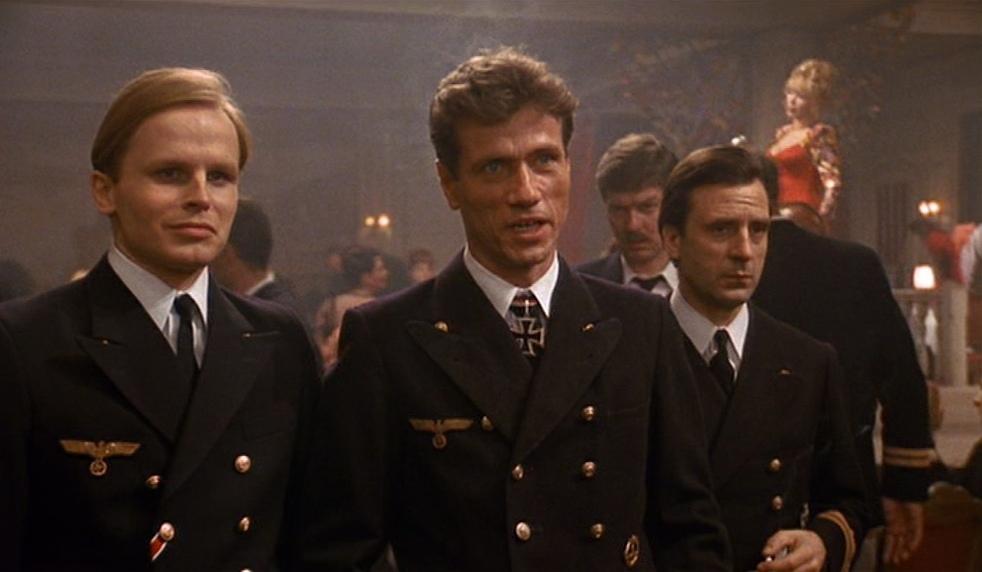
Anyone encountering Das Boot with open eyes is struck by just how detailed and authentic it feels. Filmed over the course of nearly two years and largely confined to a painstakingly accurate U-boat set, the film is a claustrophobic adventure-thriller of remarkable intensity. On paper, the story is deceptively simple: a group of men crammed into a creaking, leaking steel tube and sent out to sink Allied ships. Where Das Boot transcends the ordinary is in its characters, and in how they respond to the relentless psychological pressure of waiting, hiding, attacking and being hunted. Life aboard the submarine becomes a prolonged exercise in terror management, punctuated by sudden, life-or-death confrontations.
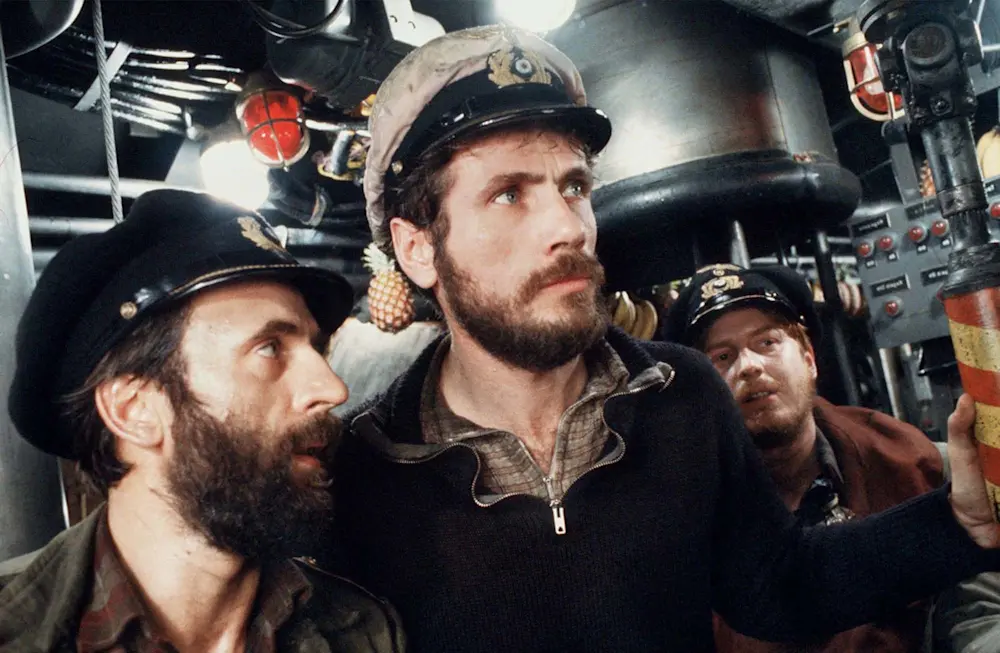
Lieutenant Werner (Herbert Grönemeyer) is an idealistic war correspondent assigned to document life aboard the U-boat fleet as a propaganda exercise, focusing on U-96. The boat’s Captain (Jürgen Prochnow) regards Werner as an unwelcome intrusion into the routines and discipline of his crew, but dutifully accepts the order. Following a raucous, alcohol-fuelled night ashore, the submarine sets out with spirits high and expectations optimistic. Werner is initially thrilled by the camaraderie and novelty of life on board, surrounded by a cross-section of sailors ranging from the battle-hardened Chief Engineer (Klaus Wennemann) to the young and earnest First Watch Officer, Benjamin (Jean-Claude Hoffmann). As weeks drag into months and encounters with the enemy prove sporadic, boredom and frustration corrode morale, and the atmosphere aboard the boat darkens. Tensions erupt, tempers flare and nerves fray, until combat abruptly transforms restless anger into manic excitement — the desperate hope of killing the enemy before being killed themselves. Petersen milks unbearable suspense from long stretches of silence, broken only by the thunderous concussions of depth charges and the creaking groans of the hull under pressure. By the film’s devastating finale, the accumulated strain has exacted a brutal toll. Perhaps the film’s most confronting achievement is that, as Western viewers, we find ourselves emotionally aligned with these German sailors — a notion that runs counter to decades of wartime conditioning.
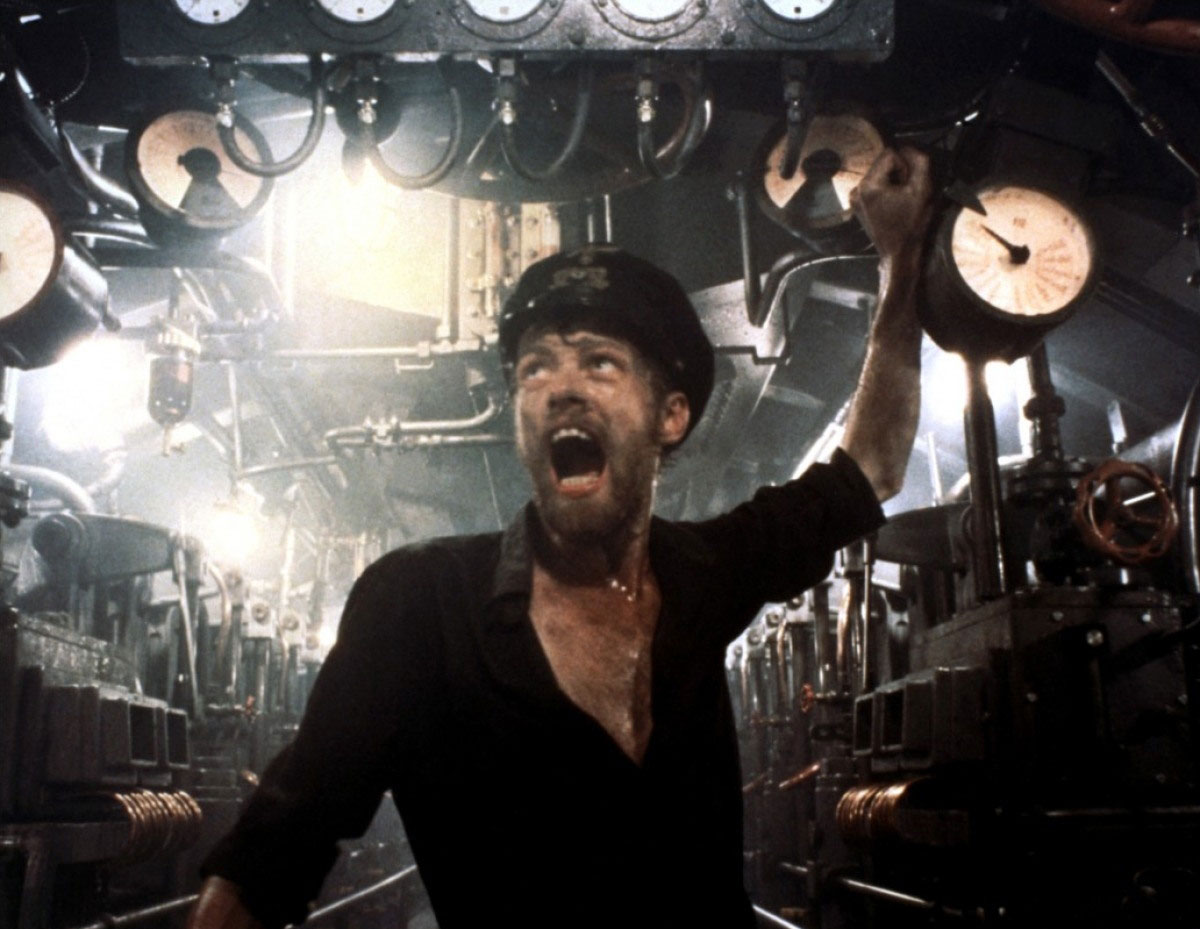
Set during the latter stages of the war, as German forces were being steadily driven back on land and sea, Das Boot immerses us in a world where orders are unquestionable, even when they border on the suicidal. Prochnow’s Captain, played with fierce restraint, is no ideologue; his loyalty lies not with the Nazi cause but with the men under his command. Increasingly sceptical of his superiors’ strategies, he must reconcile his moral doubts with the necessity of engaging a technologically superior enemy while keeping his crew alive. At heart, Das Boot is an intimate ensemble piece, assembling men from disparate backgrounds and stripping them down emotionally under one of the war’s most pressurised conditions. Feelings are suppressed or explode at critical moments, resulting in one of cinema’s most searing indictments of how war dehumanises those forced to fight it. Prochnow’s performance is quietly towering — a man of few words whose haunted eyes betray everything. Of his many screen roles, this remains his most affecting.

Werner, initially positioned as the audience’s surrogate and narrative anchor, gradually recedes into the background as the Captain becomes the film’s emotional centre. Whether this shift was intentional or simply the result of Prochnow’s magnetic presence (with Wennemann’s Chief Engineer arguably matching him beat for beat), it creates a slightly diffuse dramatic focus. Still, it’s a minor quibble in a film otherwise defined by its ensemble strength.
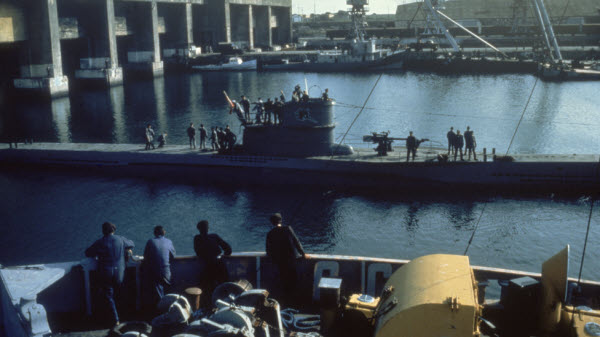
The supporting cast — a mix of youthful optimism and battle-worn resignation — are etched with startling clarity. Hubertus Bengsch’s First Watch Officer stands out as the most overtly ideological Nazi on board, his rigid, heel-snapping fervour slowly eroded by the realities of combat. Elsewhere, the men bicker about football results, complain about the absence of women, and reminisce about life back home. This seemingly trivial chatter is vital, underlining just how ordinary these men are, and how thin the line is between them and the Allied sailors they’re tasked with killing. The banality of these conversations only reinforces the futility of war.
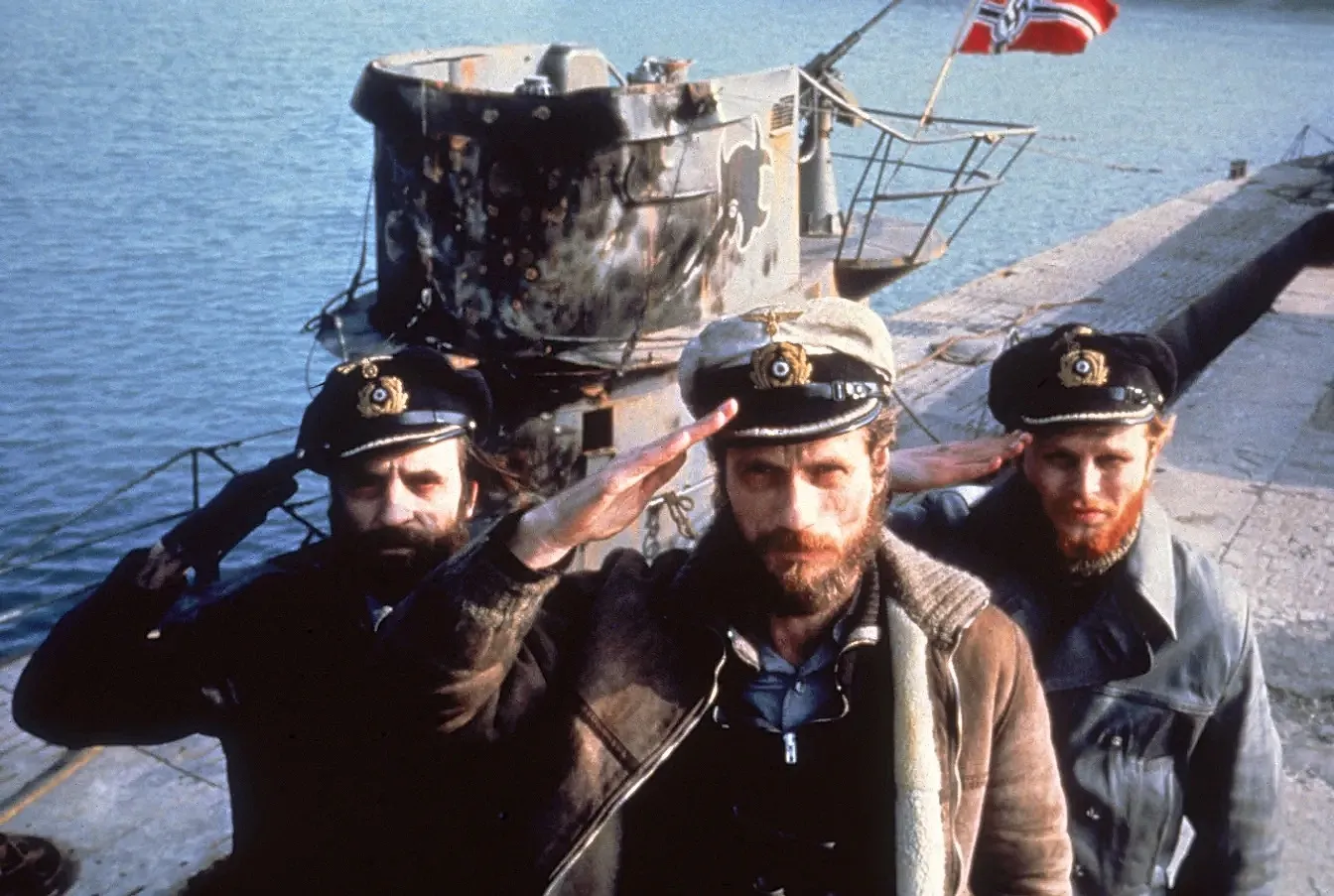
Petersen’s production methods further enhance the film’s oppressive realism. The cast were confined indoors for extended periods during shooting, emerging pale, bearded and visibly exhausted — a physical deterioration that feeds directly into the film’s authenticity. The full-scale submarine set, later repurposed by Steven Spielberg for Raiders of the Lost Ark, adds to the tactile believability; this is a world of oil, sweat, rust and claustrophobia that feels utterly inescapable.
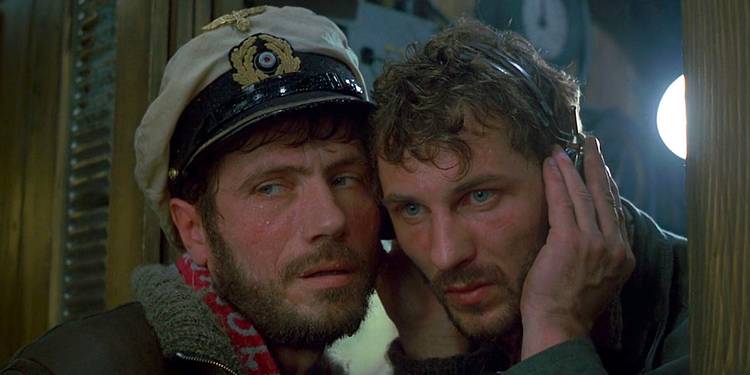
Technically, Das Boot remains extraordinary, particularly in its Oscar-nominated sound design. Silence is weaponised, shattered by concussive blasts, sonar pings and the agonising groans of metal under crushing pressure. It’s an aural experience of immense power, perfectly complemented by Klaus Doldinger’s mournful, heroic score. Watching the Director’s Cut only deepens the immersion, allowing the tension and monotony of submarine life to fully take hold. As ever, the film is best experienced in its original German; the English-language dub blunts the emotional impact and robs performances of their natural rhythm.
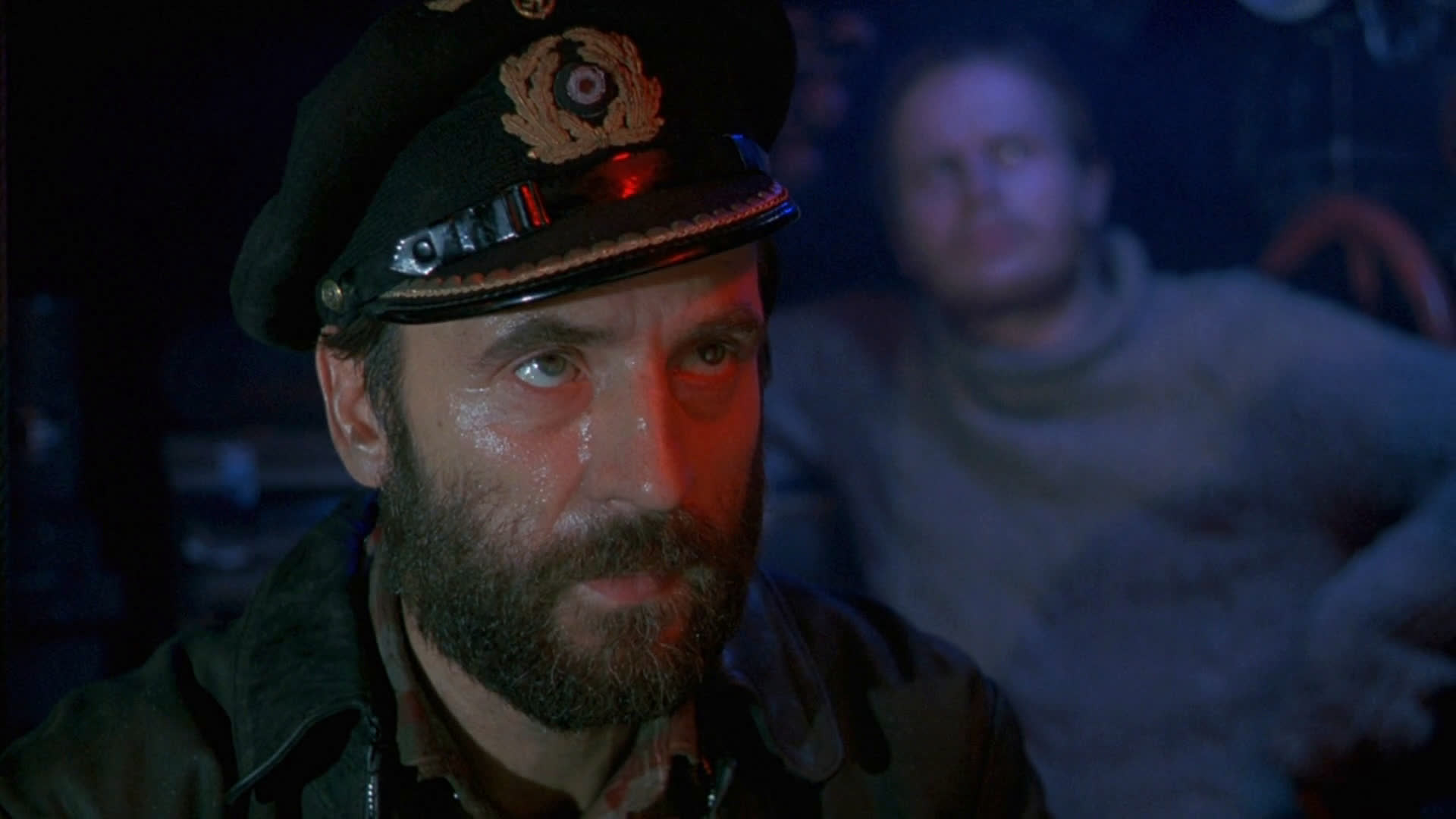
Regardless of one’s feelings about the German perspective on the Second World War, Das Boot is an overwhelming exercise in human drama. Petersen’s restless, invasive camerawork traps the viewer alongside the crew, making the sweat, fear and exhaustion feel hard-earned and painfully real. By the time the credits roll, it’s hard not to feel as though you’ve survived the voyage with them — and harder still to forget it.
Who wrote this?

Rodney, I have to disappoint you. I have never seen this movie. It's quite the "chore" to watch, which I feel terrible for saying since I love foreign flicks. Unfortunately, it's run time and German audio have made me put it on the back burner for far too long. I'll keep an eye out for this on blu-ray and finally watch it. You've convinced me. So damn you and thank you .
My recent post Pick Six: Six Supporting Performances of the Fall I Cannot Wait to See
My friend, I cannot recommend this one higher. Regardless of language, regardless of running time, this is essential viewing. I'd put it in the same league as Lawrence Of Arabia or Psycho as a definitive film to see because it's so dam awesome. So yeah, allow a full evening immersing yourself in one of the greatest submarine films – nay, films ever – ever made!
I await your thoughts when you get to it soon! You'll be wanting to thank me.
Thanks Dan: can I suggest picking a copy of this film up on DVD (either the Directors or Uncut versions) and giving it another watch? Crappy old VHS just doesn't cut it these days!!!
Terrific review Rodney of a fabulous film. Das Boot has to be one of the most authentic depictions WWII. Not sure which version of the film I've seen, I know it was a VHS release though.