
Movie Review – Hamnet

Principal Cast : Jessie Buckley, Paul Mescal, Emily Watson, Joe Alwyn, Jacobi Jupe, Olivia Lynes, Justine Mitchell, David Wilmot, Bodhi Rae Breathnach, Freya Hannan-Mills, James Skinner, Elliot Baxter, Dainton Anderson, Louisa Harland, Noah Jupe, Sam Woolf, Faith Delaney, Smylie Bradwell.
Synopsis: The story of William Shakespeare, his wife Agnes, and the shared tragedy of their young son.
********
There are some films that announce their importance loudly, practically begging the audience to admire them – Oscar bait, they’re typically referred to by this negative nomenclature. Then there are films like Hamnet, which move with a kind of quiet certainty — a stillness of purpose that allows their emotional impact to gather slowly, before striking with devastating force. In my opinion, Chloé Zhao’s adaptation of Maggie O’Farrell’s celebrated novel is one of the most profoundly affecting cinematic experiences of recent years, a film that marries poetic storytelling with breathtaking craftsmanship to produce something genuinely extraordinary.
From the opening moments, Zhao establishes a tone of hushed reverence for both the world she is depicting and the characters inhabiting it. Known for the humanist sensibility she brought to the Best Picture-winning Nomadland, Zhao once again demonstrates an uncanny ability to observe people with compassion and patience. Here, she transports that observational style into Tudor England, crafting a portrait of William Shakespeare’s family life that feels intimate, tactile and heartbreakingly real. The film centres not on the famous playwright himself, but on his wife Agnes — the historical Anne Hathaway — played with astonishing emotional precision by Jessie Buckley. The result is a film that feels less like a historical drama and more like a living memory, something fragile and deeply personal unfolding before our eyes.
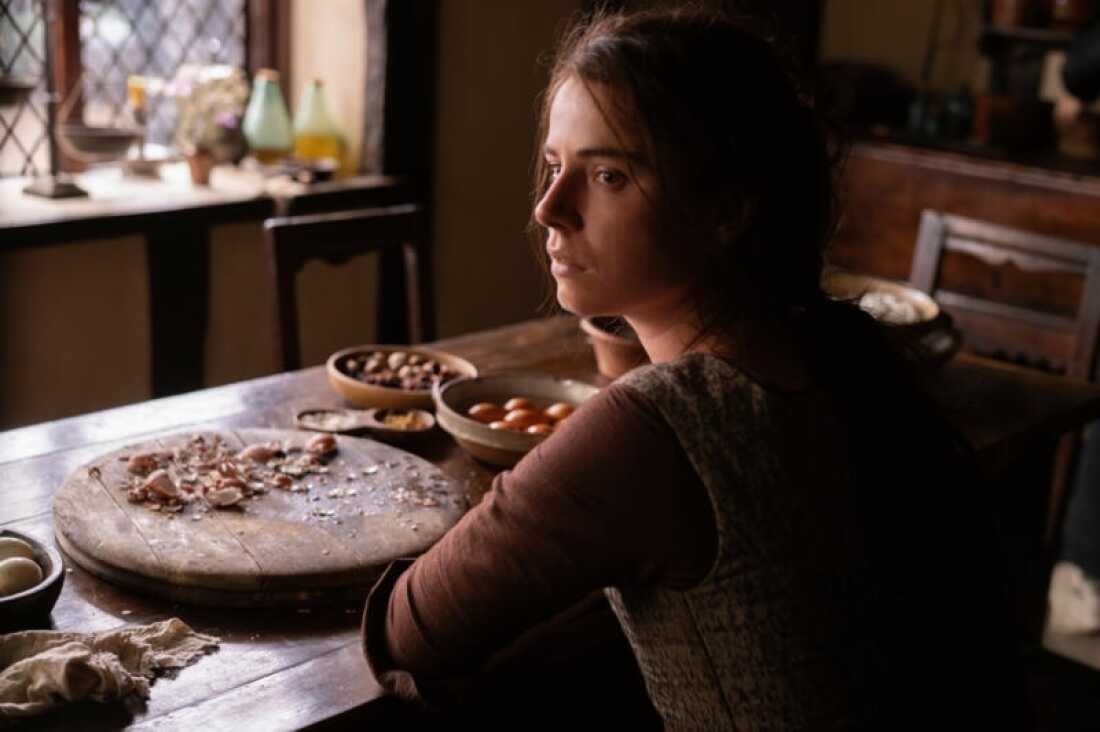
If Hamnet belongs to anyone, it belongs to Buckley. Her portrayal of Agnes is nothing short of a masterclass in acting. Buckley has always possessed a remarkable emotional transparency as a performer, but here she reaches a new level entirely. Agnes is presented as intuitive, connected to the natural world (a witch, declares one resident, mockingly), almost mystically attuned to the rhythms of life around her. Buckley imbues her with a combination of earthy practicality and spiritual awareness that makes the character feel utterly authentic. I think what impressed me most is the way Buckley humanises Agnes without romanticising her; she is fierce, compassionate, stubborn, occasionally unknowable, and entirely believable as the emotional centre of the story.
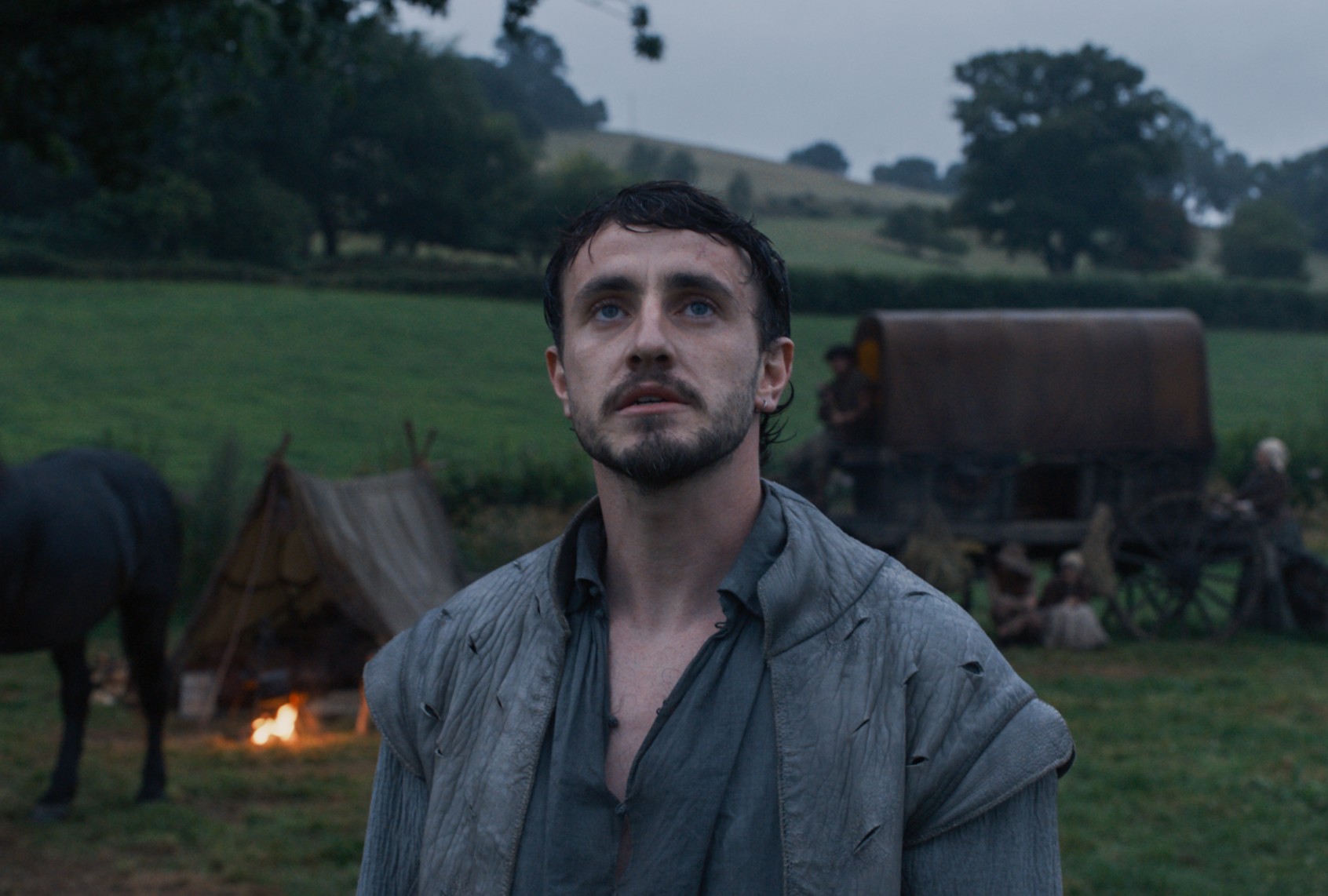
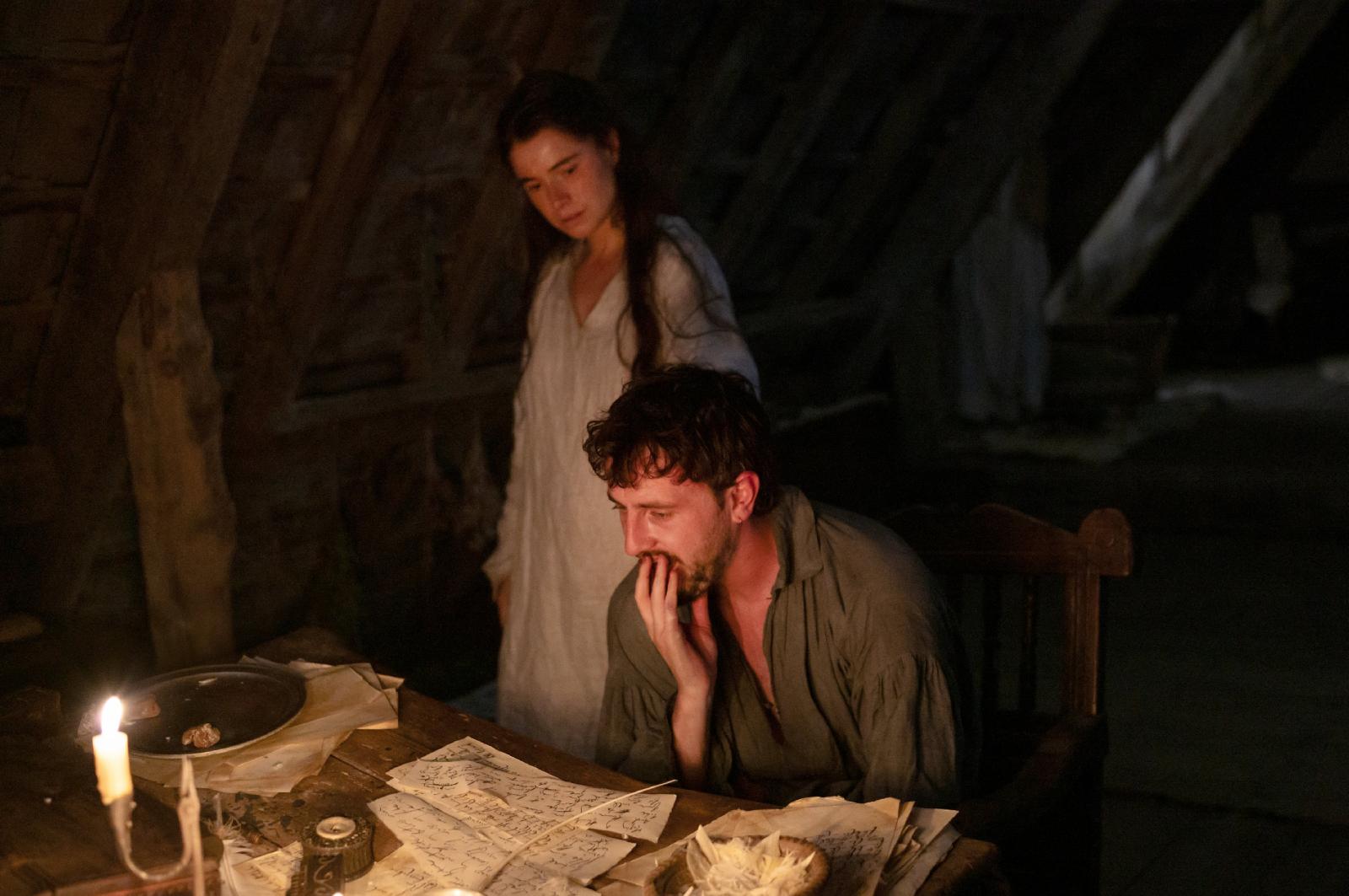
Buckley’s performance is matched beautifully by Paul Mescal as William Shakespeare. Mescal brings a quiet masculinity to the role that contrasts yet complements Buckley’s more elemental presence. Where Agnes is rooted firmly in the land and the rhythms of home, Mescal’s Shakespeare is pulled toward the uncertain promise of theatre and artistic ambition. The chemistry between the two actors is striking, and Zhao allows their relationship to unfold with remarkable tenderness. In many ways, the film is less about Shakespeare the legend and more about two people navigating love, parenthood, separation and grief.
I was particularly struck by how Zhao frames the emotional dynamic between them. Mescal’s Shakespeare carries a sense of creative yearning, but also an underlying vulnerability that mirrors Agnes’ intuitive strength. Buckley’s femininity is balanced by Mescal’s grounded masculinity, yet both characters possess a fierce inner resilience that reveals itself gradually as the narrative deepens. Their performances feel symbiotic, each elevating the other in a way that gives the film extraordinary emotional weight.
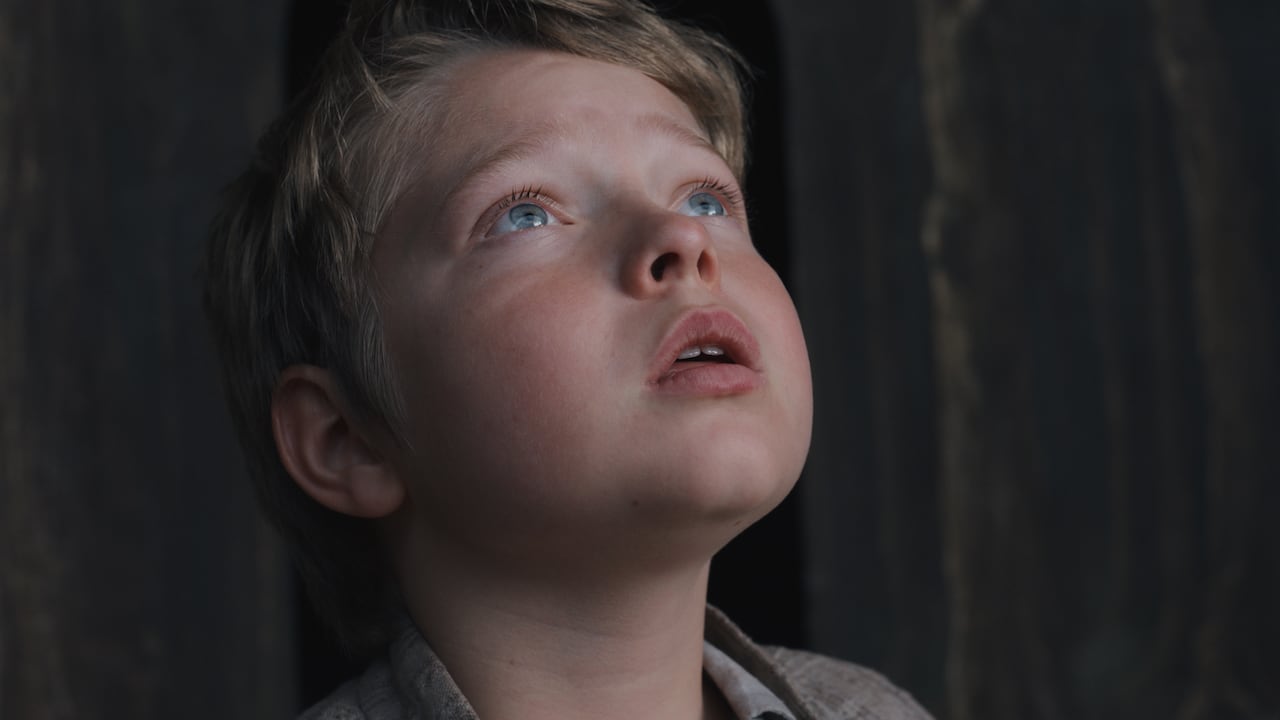
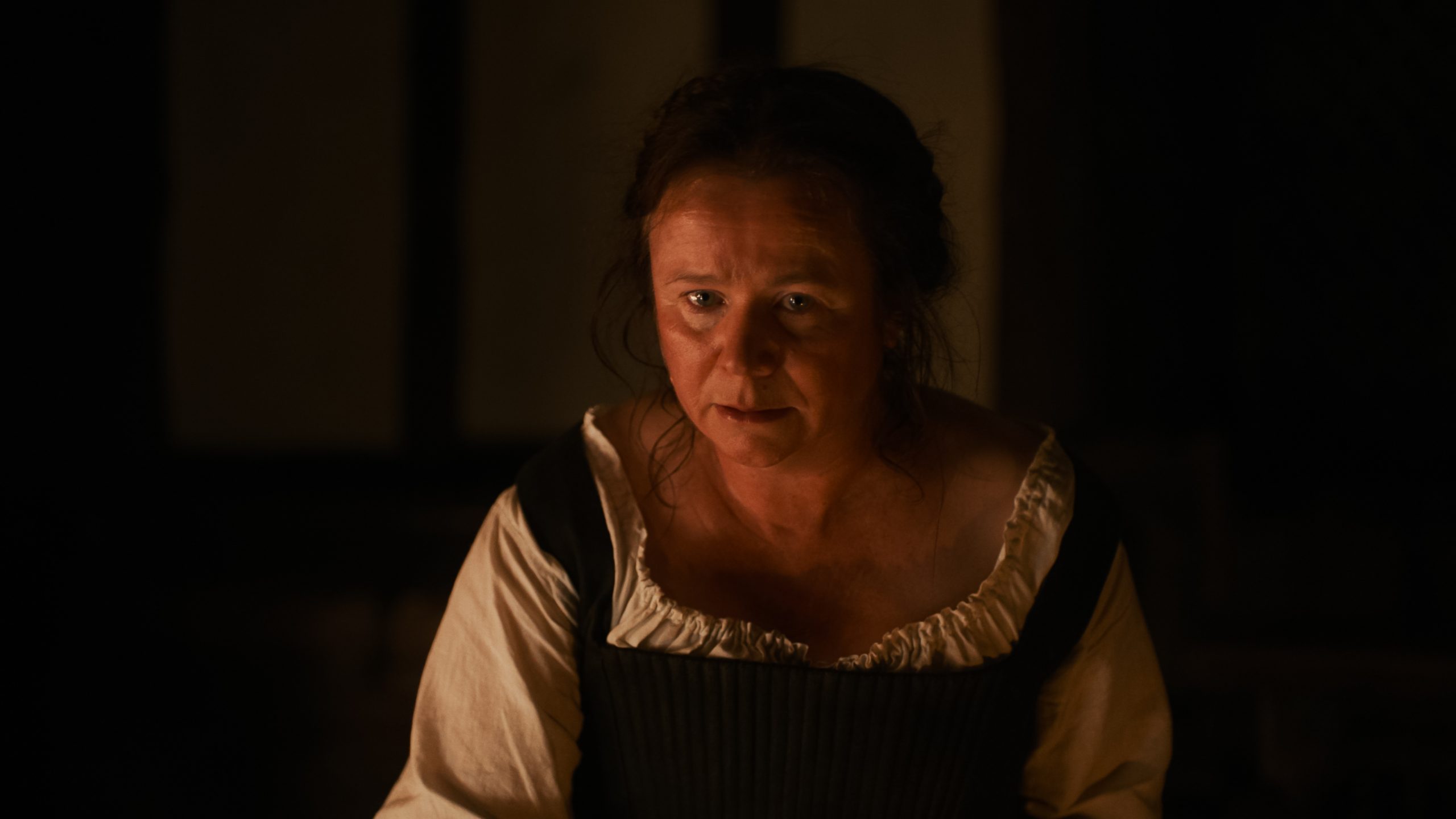
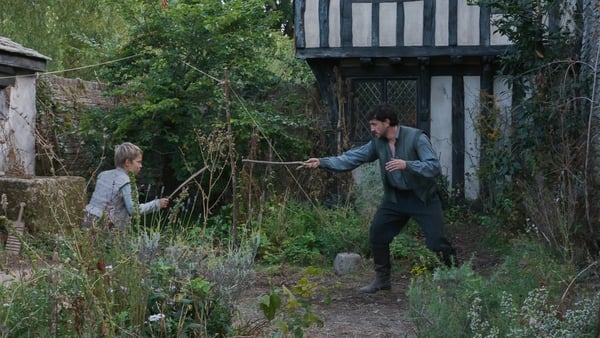
Visually, Hamnet is a stunning achievement. Cinematographer Łukasz Żal crafts imagery that is so evocative it almost feels painterly. I genuinely believe this is among the most beautiful films of the year. Zhao and Żal capture the English countryside with luminous naturalism — sun-dappled forests, damp earth, flickering candlelight — images that evoke the texture of a world long gone yet strangely familiar. The landscape becomes a character in itself, mirroring Agnes’ connection to the land and reinforcing the film’s themes of life, loss and renewal. The production design deserves equal praise. The Stratford setting feels fully lived-in, from the cramped interiors of Tudor homes to the muddy village streets and fields that stretch beyond them. There is a palpable sense of authenticity in every frame, and I found myself repeatedly thinking, “How on earth did people live like this?” The film does not sanitise the past; it embraces the roughness, the darkness, the raw physical reality of sixteenth-century life. The costumes, props and environments all contribute to an immersive world that feels convincingly historical without ever becoming overly ornamental.
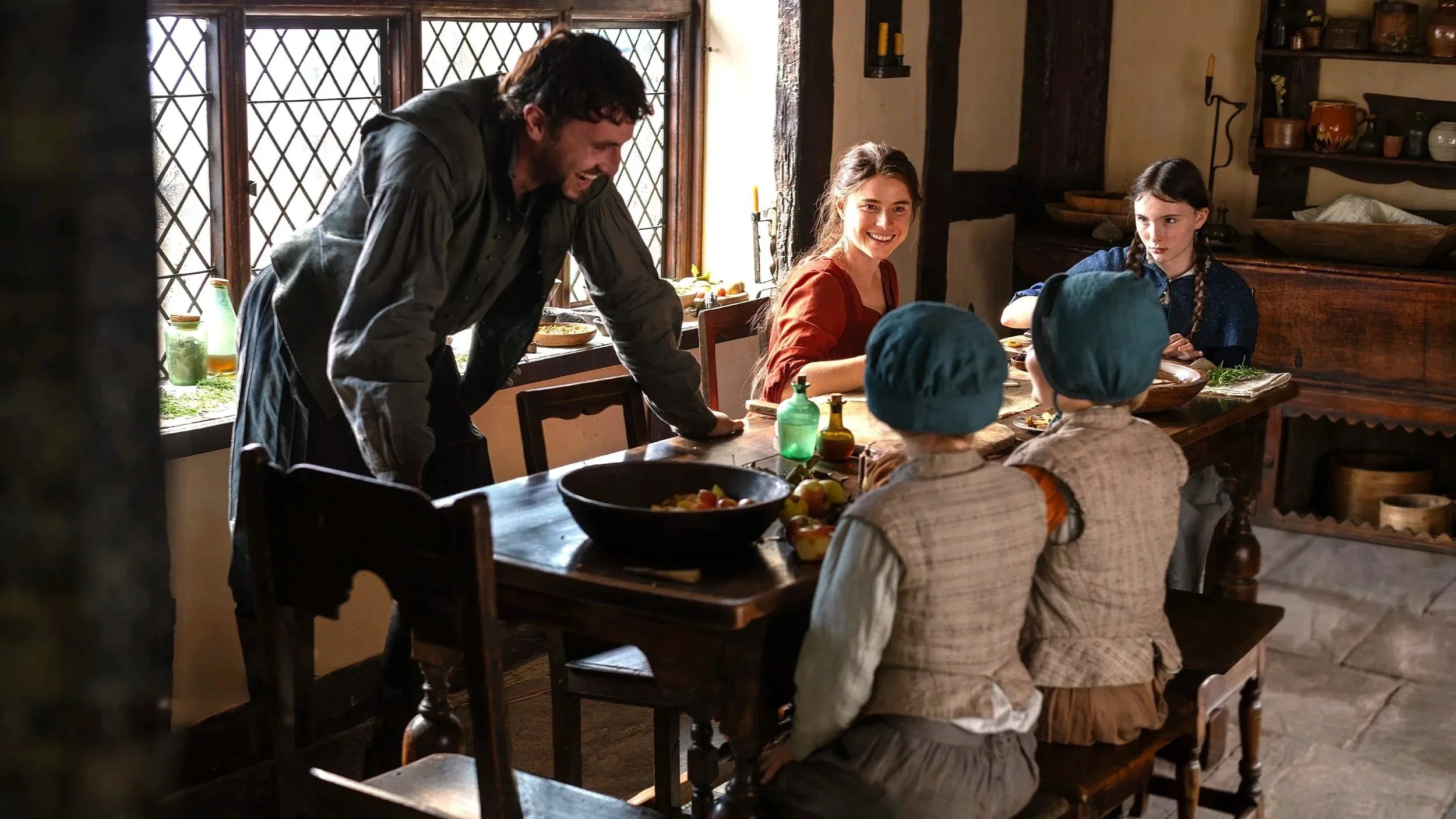
The screenplay, written by Zhao alongside O’Farrell, is equally remarkable. It possesses a lyrical, almost bucolic quality that suits the setting beautifully. Dialogue flows with poetic elegance but never feels artificial; instead, it carries the emotional rhythms of the characters’ inner lives. The script allows moments of silence to carry as much meaning as spoken words, which I think is one of Zhao’s greatest strengths as a filmmaker. What impressed me most is how delicately the narrative unfolds. Zhao does not rush toward the tragedy that history tells us must eventually arrive. Instead, she spends time with Agnes and William as young lovers, then as parents, then as members of a community bound together by superstition, religion and the everyday struggle for survival. These early passages are filled with warmth and quiet joy, which makes the film’s later emotional devastation all the more powerful.
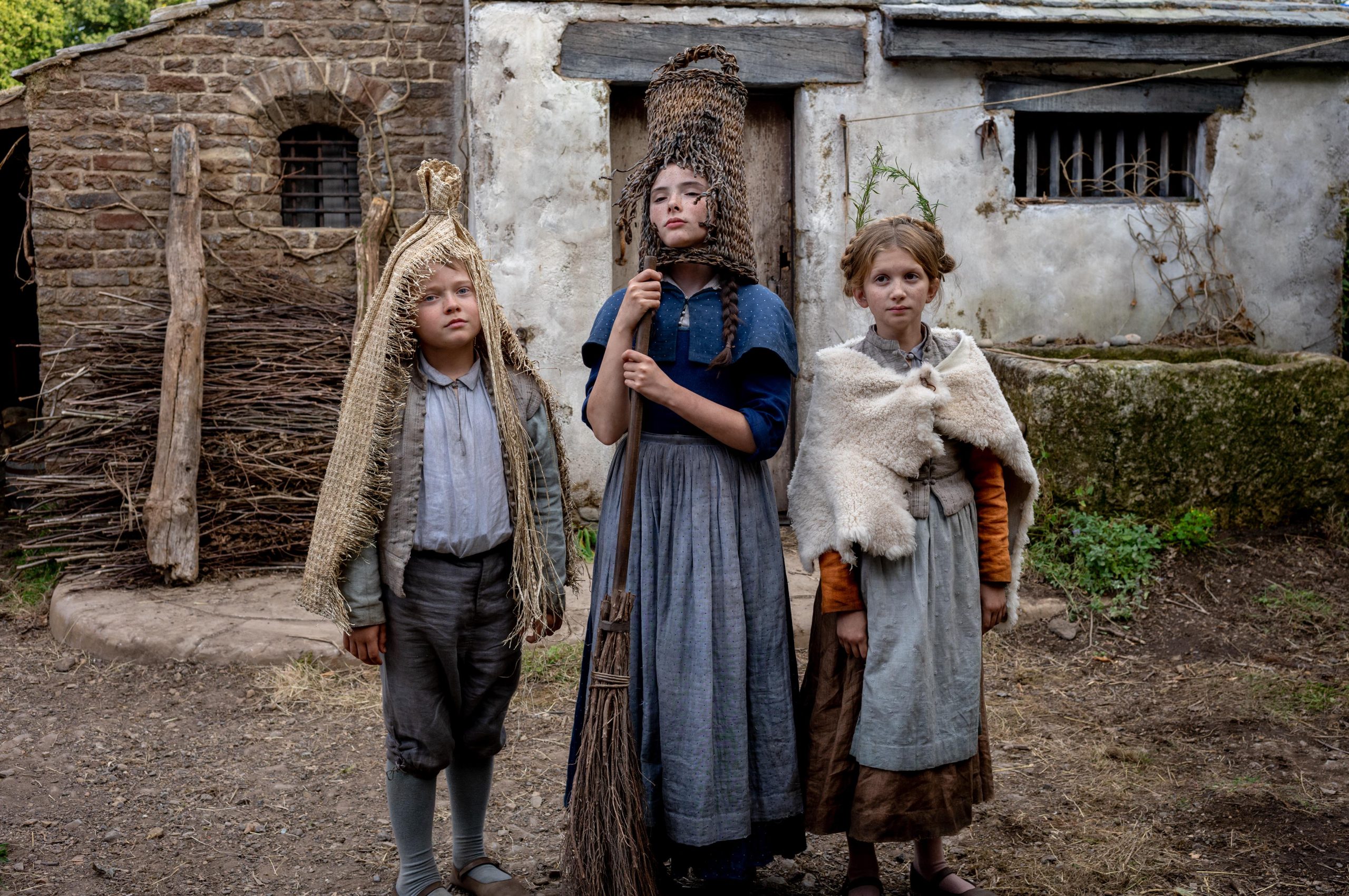
The children in the film deserve special mention, because child performances can so often undermine an otherwise excellent drama. Fortunately, that is absolutely not the case here. Bodhi Rae Breathnach plays Susanna, the eldest of the Shakespeare children, with a natural warmth that makes her feel entirely authentic within the family dynamic. Jacobi Jupe portrays the young Hamnet with gentle curiosity and mischief, capturing the sense of wonder that defines childhood. Olivia Lynes, as his twin sister Judith, shares a touching bond with Jupe that Zhao emphasises throughout the film. Their performances feel effortless and genuine, free from the stiff or overly rehearsed quality that sometimes plagues young actors.
Emily Watson is also excellent as William’s devout mother, Mary Shakespeare. Watson begins the film as a figure of stern piety, someone whose rigid religious worldview places her at odds with Agnes’ more intuitive spirituality. Yet as the narrative progresses, Watson gradually reveals layers of complexity beneath that stern exterior. Her character undergoes a subtle emotional transformation that takes her from someone we initially distrust — perhaps even dislike — toward a figure of quiet empathy. It is not a dramatic character arc, but it is beautifully observed. Interestingly, in a moment of somewhat meta-casting, Jacobi Jupe’s older brother Noah plays Hamlet during an early performance of the play to conclude the film – that these real-life siblings essentially play the avatar of the same character is something I found to be truly poetic in Zhao’s film. Hats off to her.
Another element that quietly enriches the film is its sound design. Zhao and her collaborators use sound with remarkable restraint. Rather than filling scenes with obvious musical cues or dramatic effects, the film allows natural ambience to dominate. The rustle of wind through trees, the distant call of birds, the creak of wooden floorboards — all of these small details create an atmosphere that feels immersive and deeply evocative. The countryside is not merely a backdrop; it is an acoustic environment that envelops the characters. Complementing this is the extraordinary musical score by Max Richter. Richter’s compositions drift through the film like half-remembered melodies, never overwhelming the scenes but always reinforcing their emotional undercurrents. I would describe the score as a kind of whispered accompaniment, something that sits beneath the narrative like a soft blanket of melancholy. When the story reaches its most devastating moments, Richter’s music becomes almost unbearably moving.
And there is indeed a moment in Hamnet that breaks your heart.
Anyone familiar with Shakespearean history will already know the tragedy that sits at the centre of this story. Zhao wisely refuses to sensationalise the event. Instead, she approaches it with quiet inevitability, allowing the emotional impact to unfold with devastating simplicity. The film never exploits the tragedy; it merely observes it with profound empathy. Even knowing what is coming does not soften the blow. When the moment arrives, it lands with an emotional force that is genuinely ruinous. I suspect many viewers will find themselves overwhelmed by it. Zhao handles the aftermath with extraordinary sensitivity, exploring how grief fractures a family and reshapes their understanding of the world. Watching the film, I found myself thinking about other works that confront grief with similar honesty. Kenneth Lonergan’s Manchester by the Sea came to mind more than once, not because the films share narrative similarities but because they understand the same emotional truth: that grief is not something to be conquered, only endured.
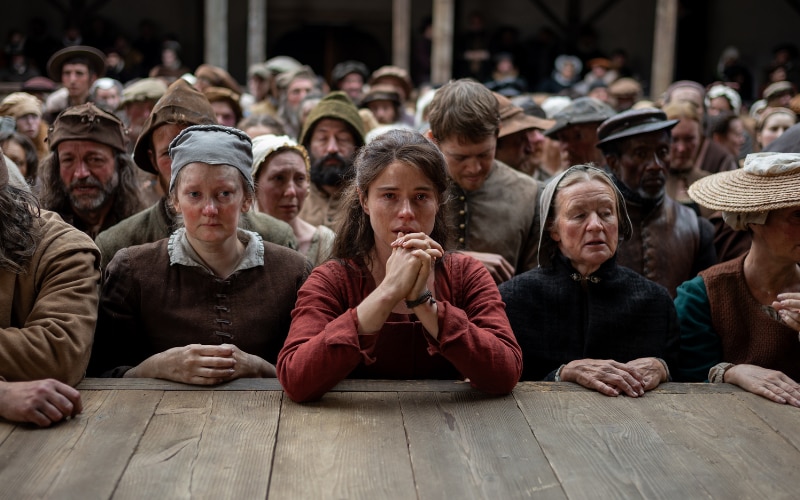
Hamnet ultimately becomes a meditation on loss, memory and the strange ways in which art emerges from sorrow. Zhao does not treat Shakespeare’s legacy as a monument to genius but as something deeply human — an attempt to process unimaginable pain through storytelling. I believe this is what gives the film its profound resonance. Technically and emotionally, Hamnet is a sublime piece of filmmaking. Zhao’s direction is assured and compassionate, Buckley delivers one of the finest performances of her career, and Mescal proves once again why he is one of the most compelling actors of his generation. Combined with breathtaking cinematography, meticulous period detail, and a haunting musical score, the result is a film of remarkable subtlety and emotional intelligence. It is gentle yet devastating, intimate yet sweeping, rooted in history yet deeply universal in its themes. For anyone who has experienced loss — particularly the unimaginable grief of losing a child — the film may feel almost unbearably raw.
But it is also, in its own quiet way, a celebration of love and endurance.
Chloé Zhao and her collaborators have delivered something genuinely special with Hamnet. In my opinion, it stands as a masterclass in filmmaking — thoughtful, humane and utterly heartbreaking. A genuinely great film.
Who wrote this?