
Movie Review – Bring Her Back
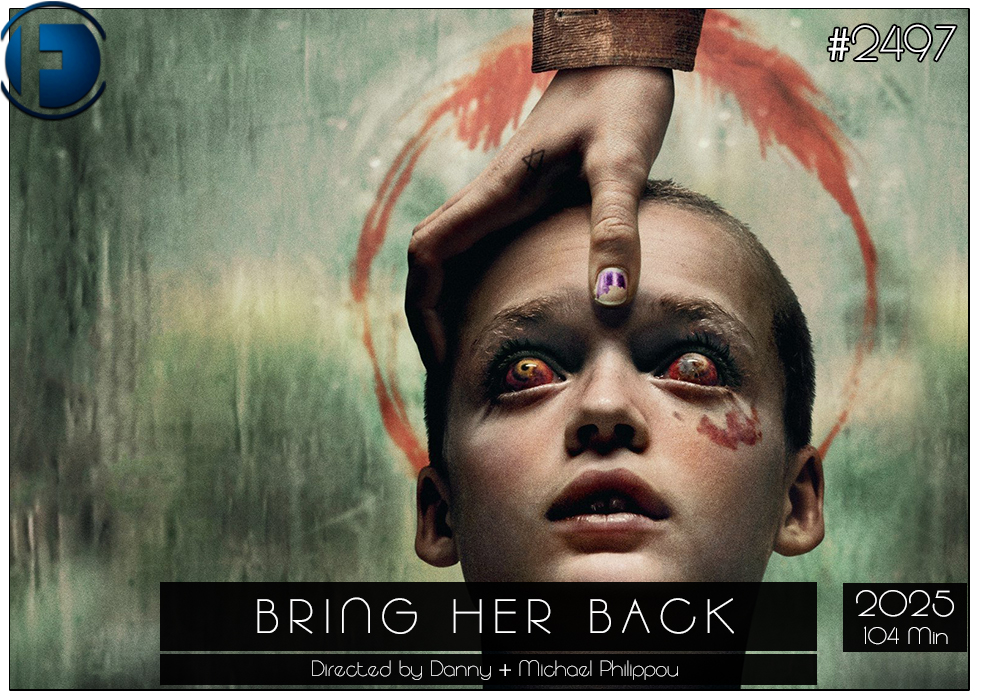
Principal Cast : Billy Barratt, Sora Wong, Sally Hawkins, Jonah Wren Phillips, Sally-Anne Upton, Stephen Phillips, Mischa Heywood.
Synopsis: A brother and sister uncover a terrifying ritual at the secluded home of their new foster mother.
********
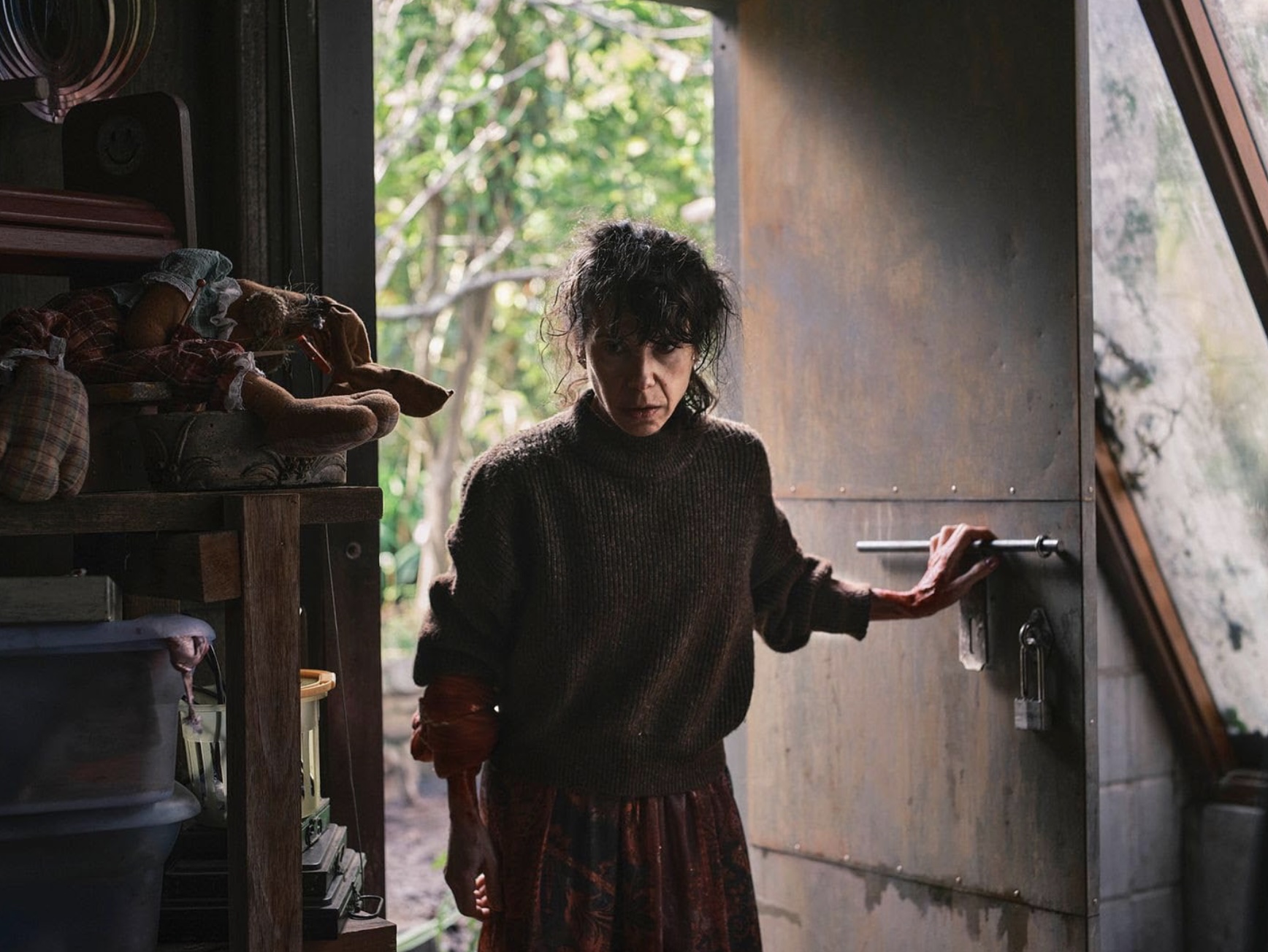
A small ensemble cast. A rain-soaked, confined and intimate setting in the Adelaide Hills. A directing duo coming off a breakout genre success backing it up with another tense, squirm-inducing horror entry. Yes, Bring Her Back is, as the kids say, a banger. Anchored by an off-the-chain performance from Sally Hawkins — whose Australian accent wavers ever so slightly here and there but is otherwise highly commendable — and led equally by two empathetic, emotionally wrought turns from young stars Billy Barratt and Sora Wong, sibling filmmakers Danny Philippou and Michael Philippou have delivered a cracking subgenre film that, if not even more impactful than their blistering debut effort Talk to Me, has carved up something equal to it.
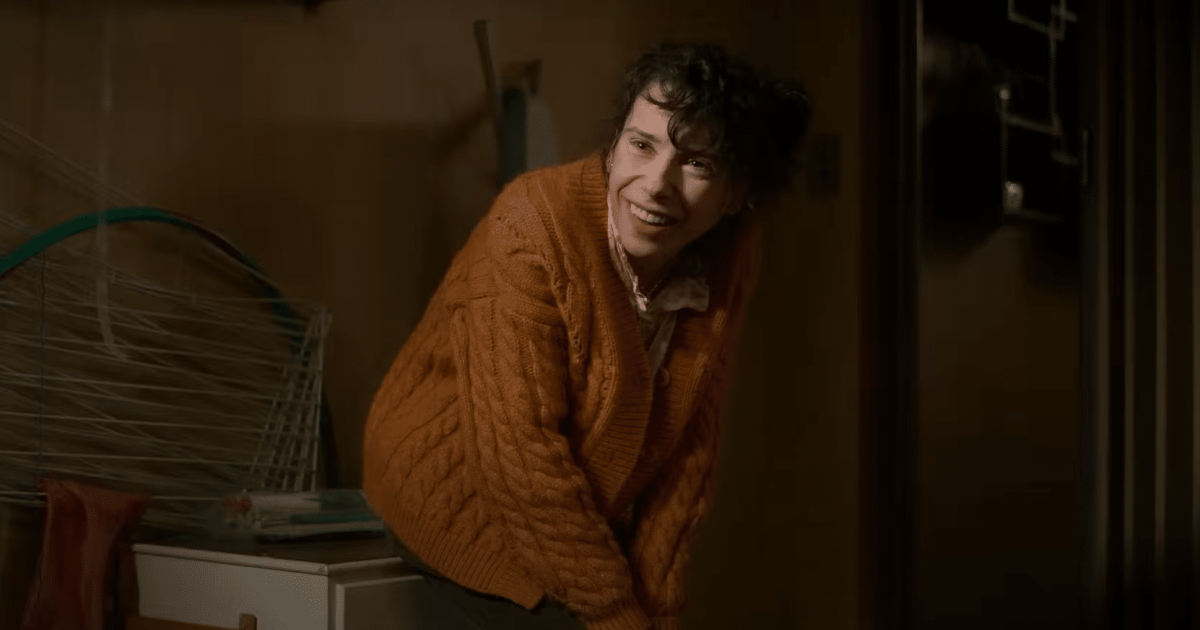
After their father dies, orphaned step-siblings Andy (Barratt) and Piper (Wong) are taken in by foster mother Laura (Hawkins), who herself is grieving the apparent recent passing of her daughter, Cathy. Something immediately sets off alarm bells for Andy: Laura’s behaviour, her gaslighting of Piper, and the appearance of Ollie (Jonah Wren Phillips), Laura’s other foster son, strike the young lad as weird, if not somewhat dangerous. As events unfold, Laura’s malignant behaviour is revealed as part of a ritualistic demonic possession scheme — a spirit of ill-intent resides within Ollie, and Laura plans to harness this entity in the hope of resurrecting her dead daughter.

Get used to saying the Philippou name in horror circles, friends: I believe we’ve found a spiritual successor to fellow Aussie director made good, James Wan. In solid company for sure, the Philippous have crafted a work of meticulous and suffocating dread, almost flawless in developing its internal atmosphere and compressed tonality. Hawkins delivers one of the all-time great batshit insane horror turns of the century; the thing about Laura is that externally she’s an abhorrent character, but Hawkins gives her a forlorn, grief-stricken frailty that underpins the desperation she depicts. It’s a performance walking a tightrope between monstrous and tragic, and the actor never lets the character tip fully into caricature.
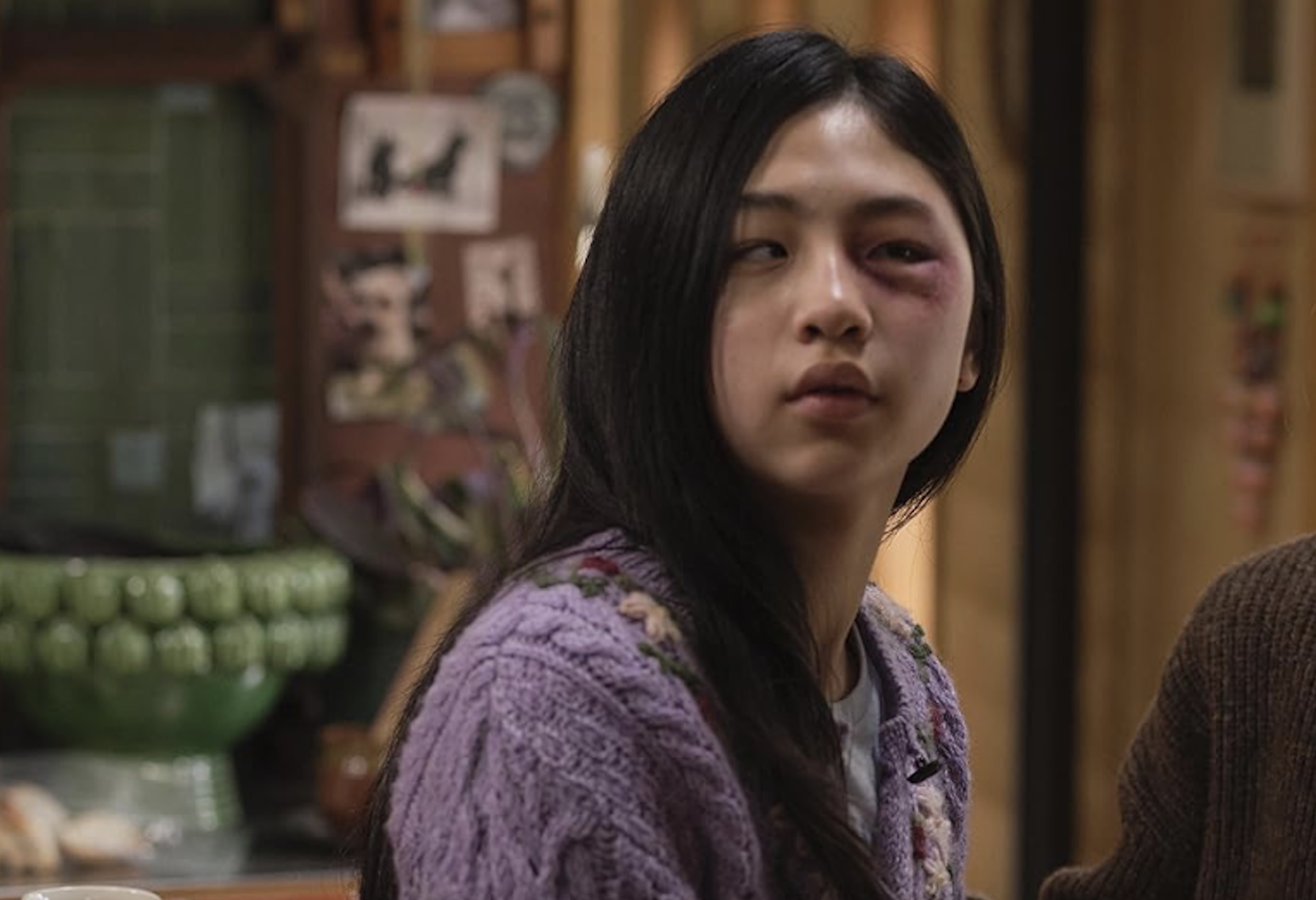
The Philippous don’t really give us a lot of visual breadth in the film, utilising sparse and minimal location and studio shooting in and around Adelaide Hills, but that limitation works directly to their advantage. The viewer is kept confined in a horror box, similarly to Andy and Piper’s voyage into demonic insanity, the film’s tight geography amplifying every moment of creeping dread. Technically you could argue that Barratt’s Andy is the lead character, and the actor is superb in evoking empathy and courage within his downbeat role. He and Wong — who is visually impaired in real life and makes her big-screen debut here — are realistic and believable in their respective roles, inhabiting Andy and Piper with innocence and childlike fragility. They are both tremendous, and although Hawkins will get the lion’s share of the praise, they should not be overlooked.
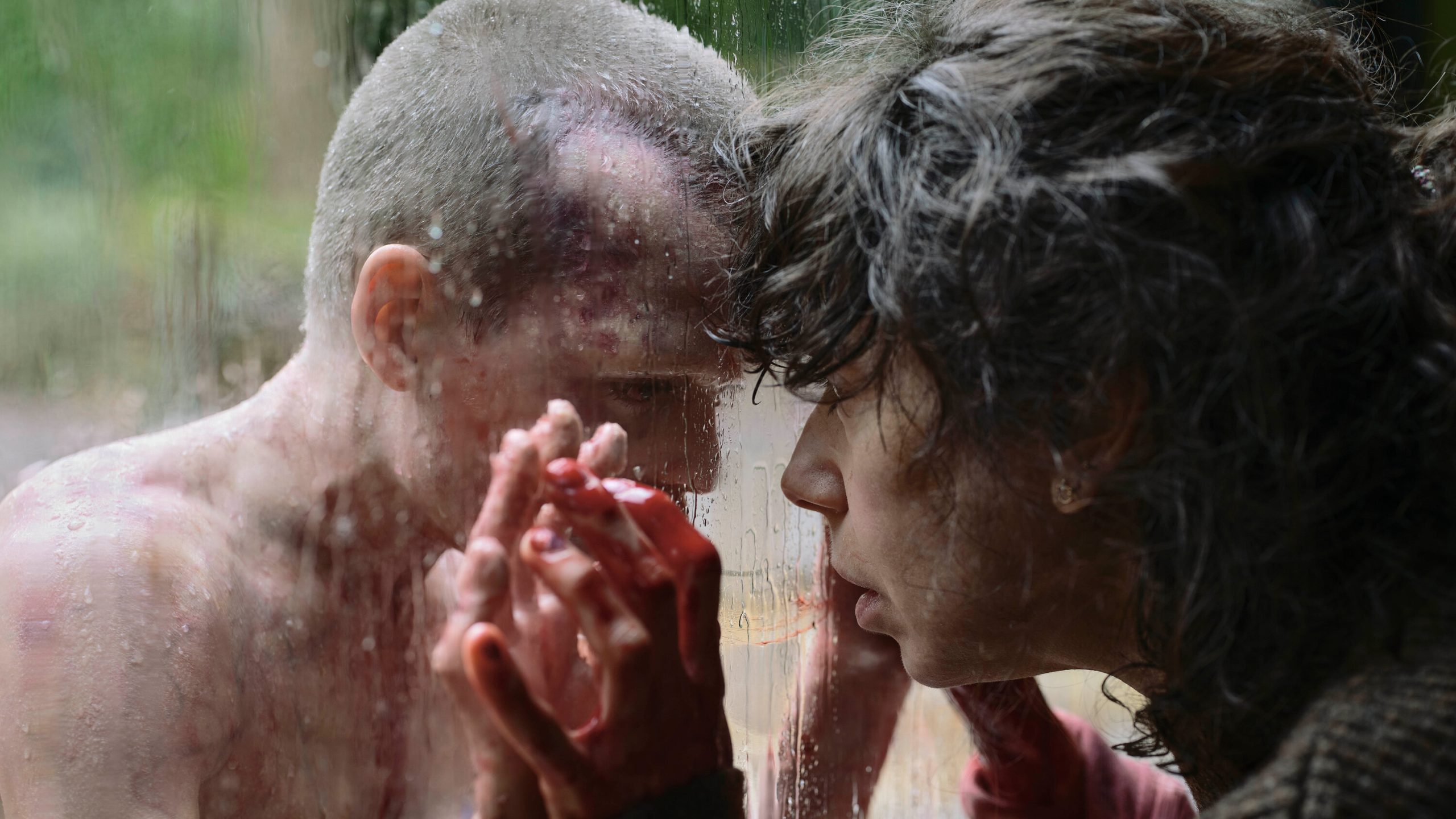
Given the smaller nature of the film, reportedly shot in a little over forty days, the effect is profoundly chilling and tragic. Elements and subtexts of grief, loss and emotional abuse are omnipresent, familiar tropes of young-child-in-danger horror cinema, yet the Philippous manage to make it sing rather than sink the film. They mix clickity-clack demonic horror with parental loss, abstract body horror (poor Phillips’ possessed child character is a full-blown splatter-horror victim by the time the film is done with him) and a heavily atmospheric soundtrack that amplifies every creak, crack and shriek like some torture-porn ASMR. Balancing emotional heft with outright blood and gore — and the film contains surprisingly plenty of the latter — is a tricky ask, and yet Bring Her Back accomplishes its mission supremely well.

My only real criticism is an in-film depiction of other people using this kind of satanic ritual to allow demonic possession and body repossession to occur, which becomes quite over-the-top graphic. To be honest, I felt this was a creative choice that didn’t really need to be so up-front gory (there’s faces being chewed off and everything) when the main story was plenty gruesome enough anyway. It felt like too much — too clever for its own good — such was the wanton obviousness of the sequences. Presented as a kind of found-footage insert, these moments push the film’s tone closer to an Eli Roth-style gore-fest than the subtle, menacing skin-prickling minor classic the rest of the film seems intent on becoming.
This nitpick matters little. Bring Her Back is a very clever, very clean, very directly impactful horror opus from a directorial pair doing absolute wonders with not a lot of money. Between this and Talk to Me, I expect to see the Philippous launching into Hollywood very soon, bringing their introspective filmmaking sensibilities to bear on a genre that I feel is slowly becoming more prestige as we go along. Bring Her Back is an unmissable horror entry, and it comes with my highest recommendation — Australian readers should absolutely make time for this one.
Who wrote this?