
Movie Review – Running Man, The (2025)
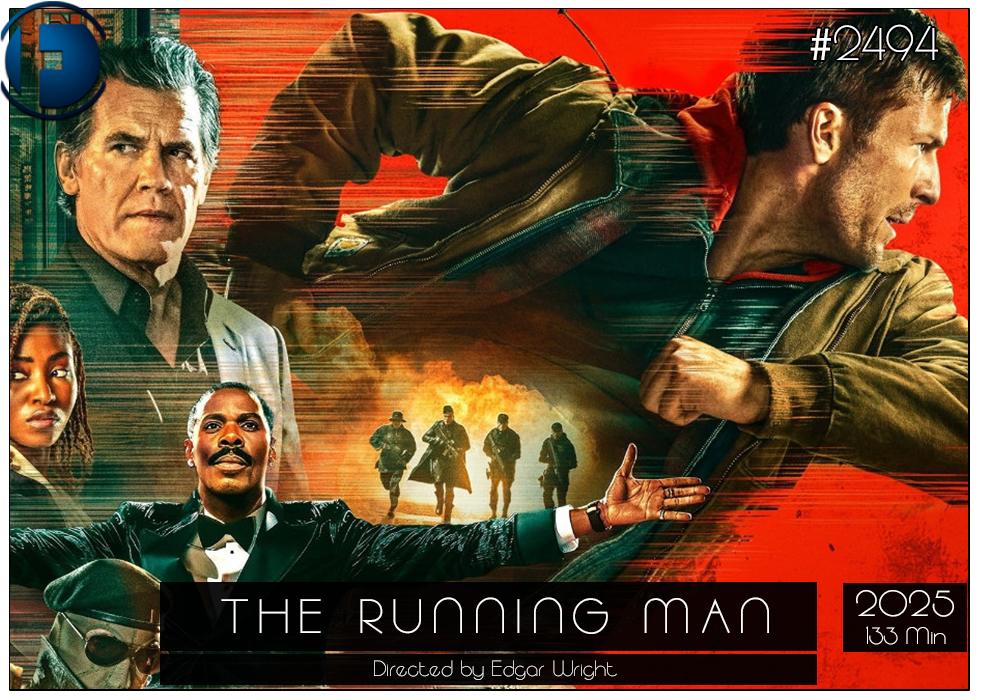
Principal Cast : Glen Powell, Josh Brolin, Colman Domingo, Lee Pace, Michael Cera, William H Macy, Emilia Jones, Daniel Ezra, Jayme Lawson, Alysse and Sienna Benn, Katy O’Brian, Karl Glusman, Martin Herlihy, Sean Hayes, David Zayas, Angelo Gray, Olunike Adeliyi, Sandra Dickinson, Rich Hall.
Synopsis: A man joins a game show in which contestants, allowed to flee anywhere in the world, are pursued by “hunters” hired to kill them.
********
Edgar Wright’s new adaptation of The Running Man arrives with the kind of anticipation few other directors can elicit. This is the guy who gave us Hot Fuzz and Scott Pilgim, you know. Rather than simply remaking the gleefully excessive 1987 vehicle starring Arnold Schwarzenegger, Wright’s version instead returns to the “The Running Man” novella by Stephen King (writing as Richard Bachman) for inspiration, expanding the premise into a sprawling two-hour dystopian satire about media spectacle, corporate greed and the public’s appetite for violence packaged as entertainment. For much of its runtime, the film proves very entertaining indeed, even if not every idea lands cleanly and the final act fumbles what should have been a far more satisfying payoff.
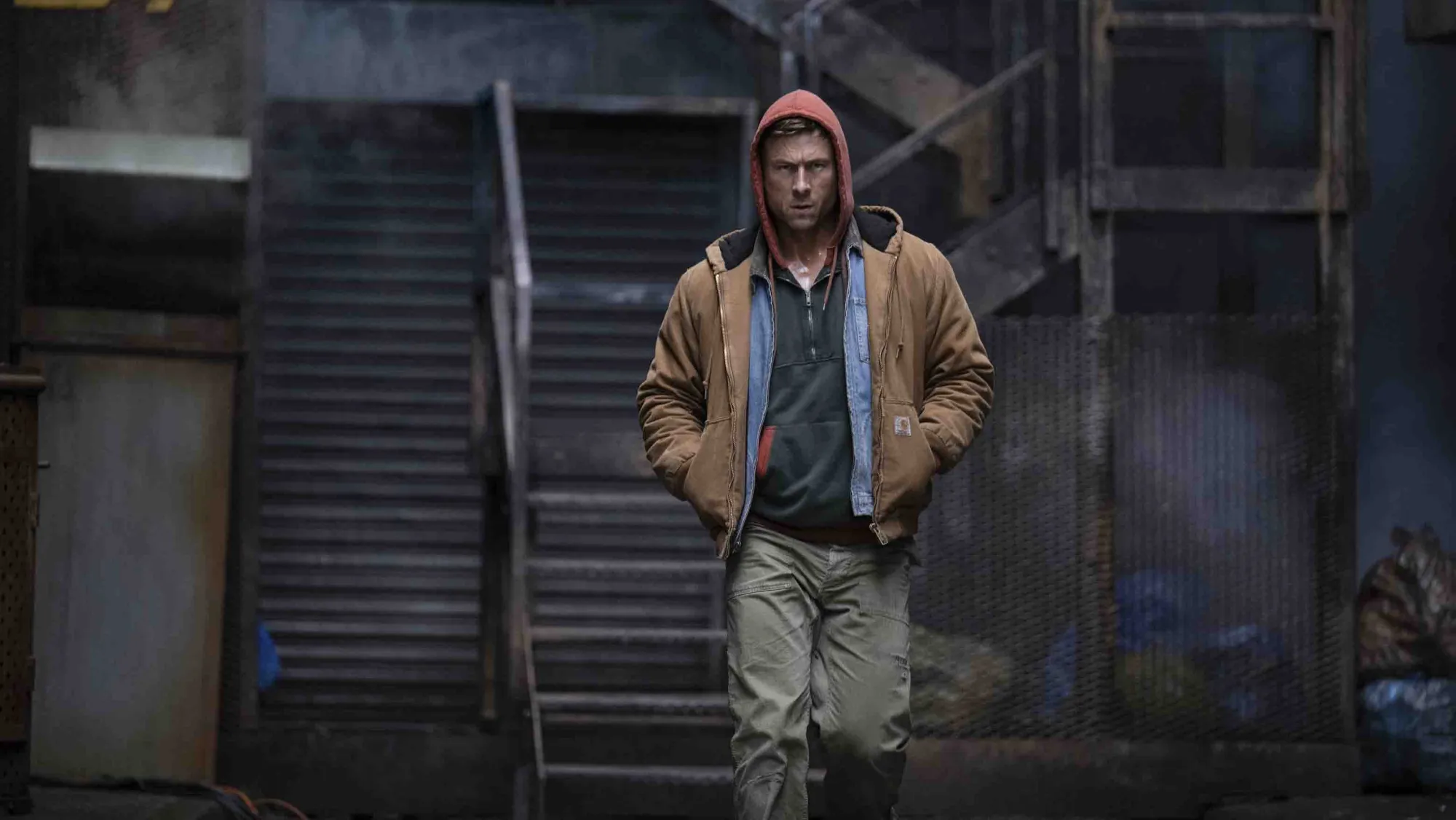
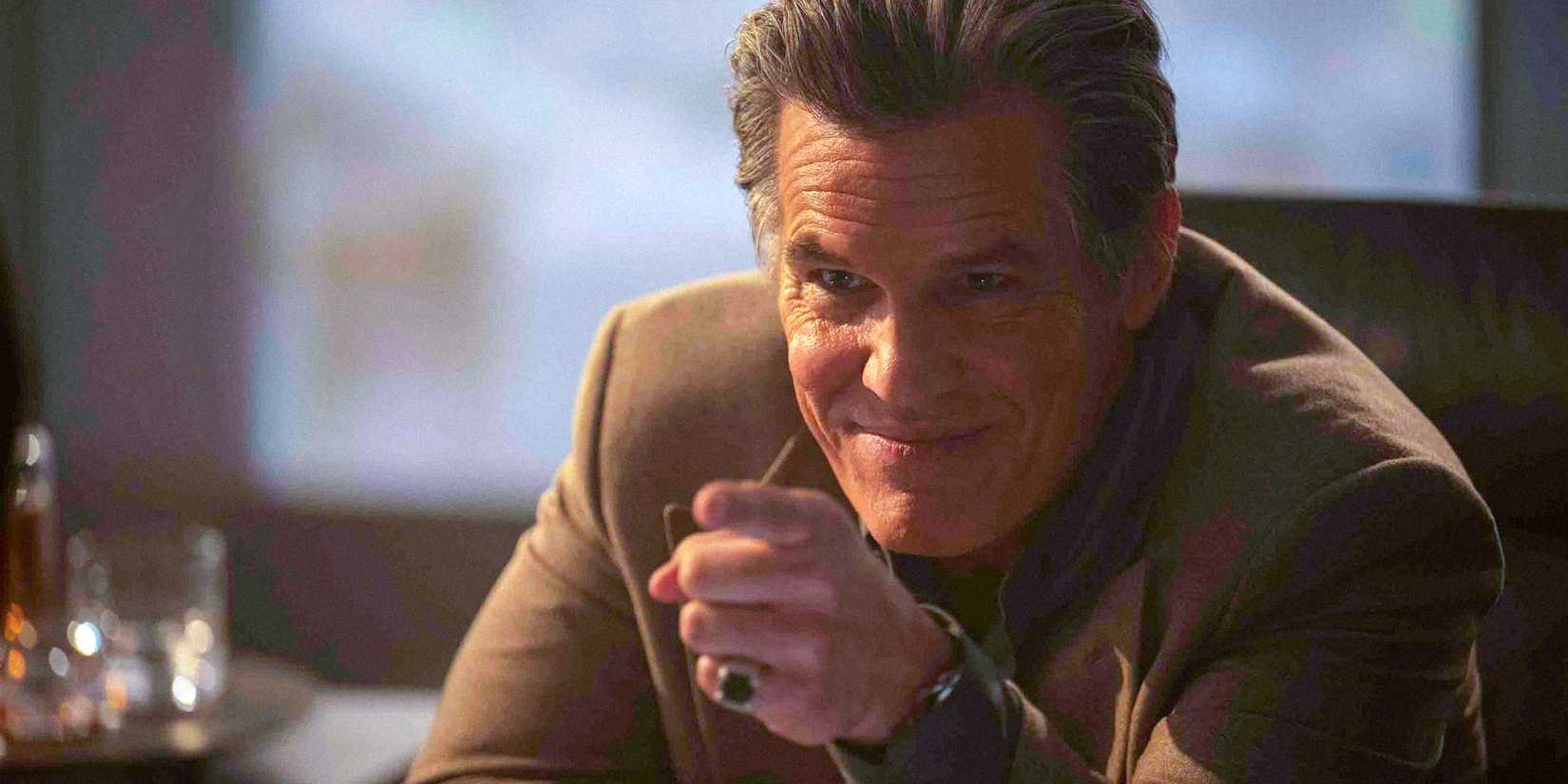
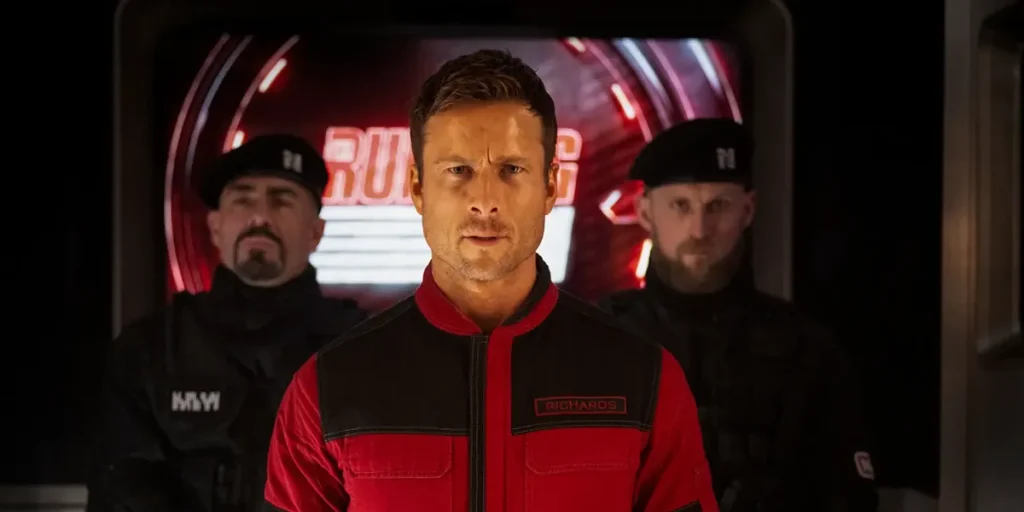
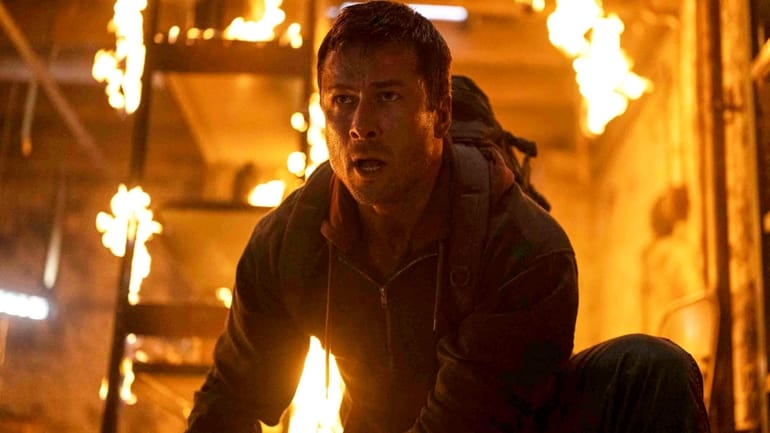
The story centres on Ben Richards (Glen Powell), a reluctant contestant forced into the titular television programme, a ratings juggernaut in which condemned fugitives must evade professional assassins while being broadcast live to a ravenous viewing audience. The show’s producers manipulate events in real time to maximise spectacle, dropping Richards into hostile environments and unleashing a rotating roster of killers in pursuit. Behind the scenes, the entire enterprise is overseen by network executive Dan Killian (Josh Brolin), the calculating architect of the broadcast who delights in turning Richards’ ordeal into a profitable national obsession.
Powell certainly looks the part of an action hero — chiselled physique and movie-star good looks firmly front-and-centre — but as a dramatic presence he remains somewhat underwhelming. Richards is written as a stoic everyman caught in a monstrous system, yet Powell’s performance rarely pushes beyond the surface. The character ends up feeling strangely hollow, a handsome avatar moving through Wright’s elaborate dystopian playground rather than a fully realised protagonist undergoing meaningful transformation.

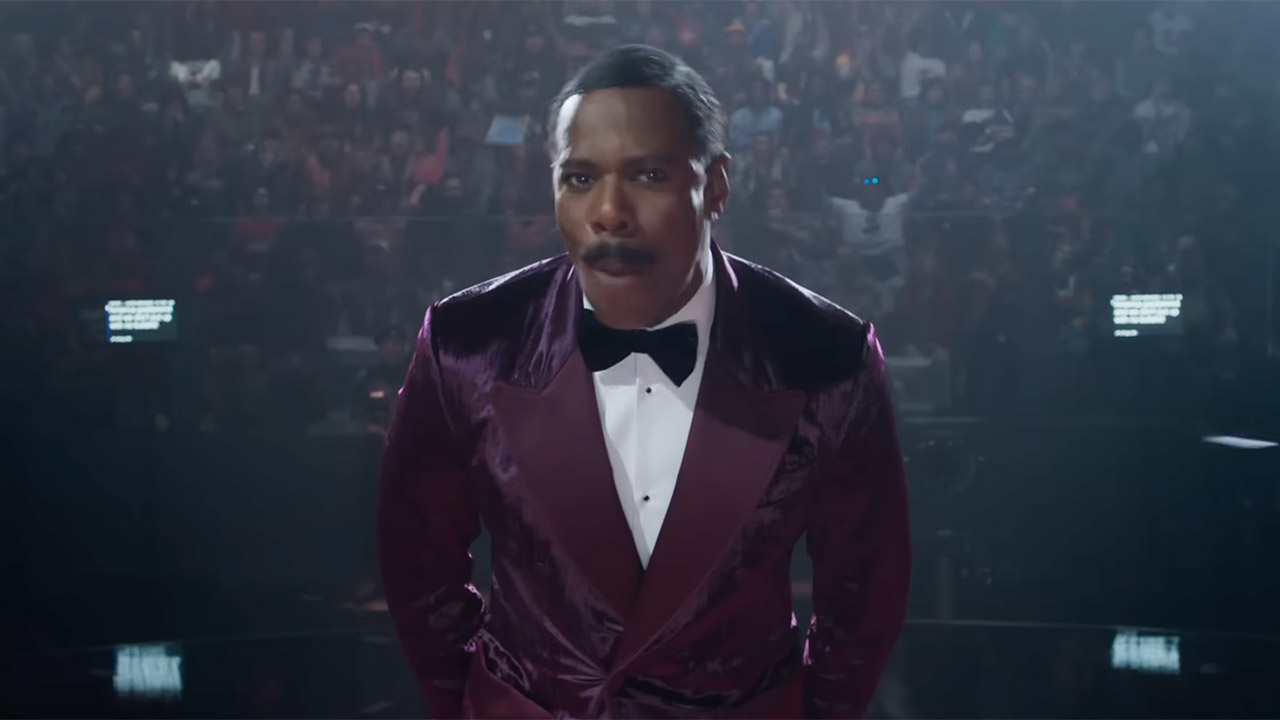
Fortunately, the film surrounds Richards with a lively ensemble that injects far more personality into proceedings. Colman Domingo has an absolute ball as Bobby Thompson, the flamboyant host of the titular show whose gleaming smile and theatrical delivery transform human suffering into glossy prime-time entertainment. Domingo’s natural charisma makes Thompson instantly watchable, the sort of presenter who can whip a bloodthirsty audience into a frenzy while still maintaining the polished veneer of a television professional. Meanwhile, Lee Pace delivers one of the film’s most effective performances as Evan McCone, the relentless leader of the elite hunters — the so-called “Stalkers” — tasked with tracking Richards down. Pace brings a chilling intensity to McCone, portraying him as a disciplined professional who treats the deadly pursuit less like entertainment and more like a military operation. His presence adds a genuine sense of danger whenever he enters the frame.
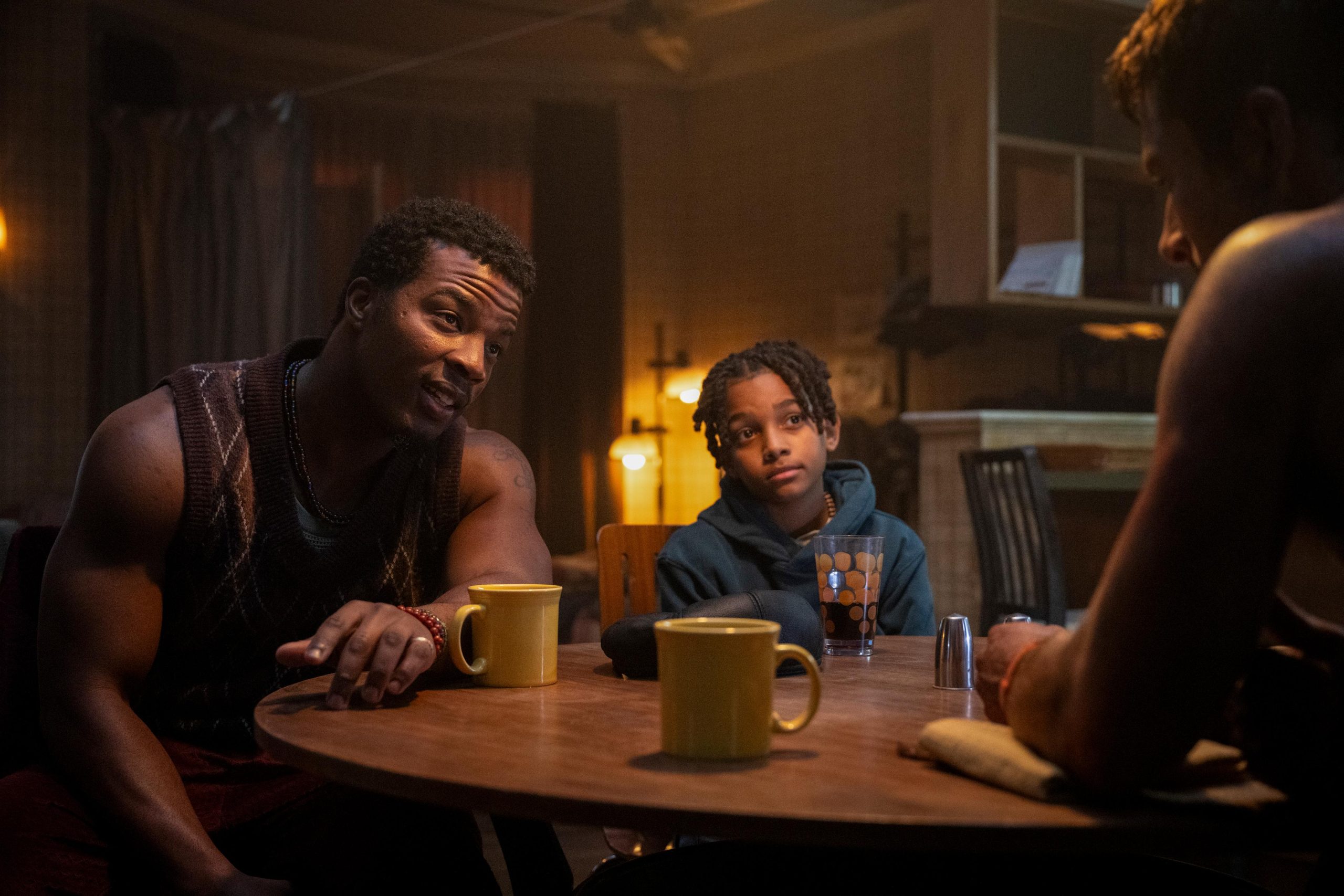
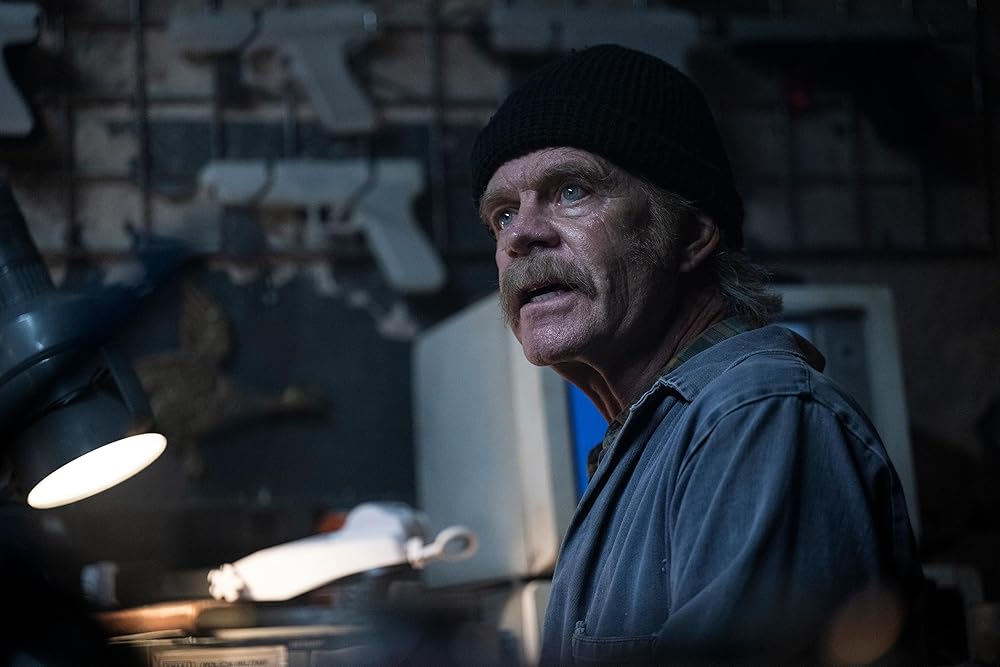
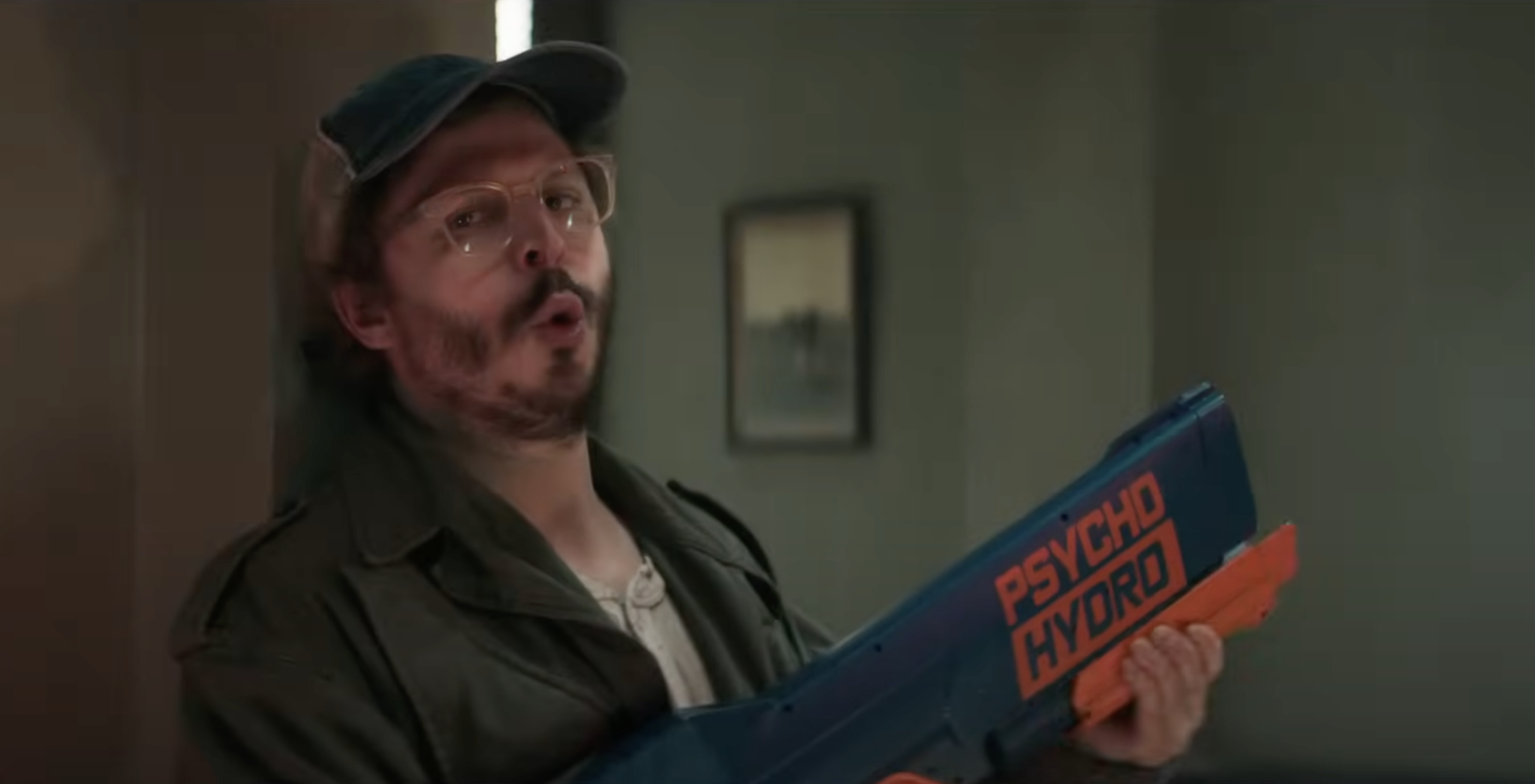
The roster of runners thrown into the game alongside Richards also helps flesh out the world of the film. Katy O’Brian plays Kara Vasquez, a hardened competitor forced into the contest whose physicality and grim determination make her an immediate standout. O’Brian gives Vasquez a toughness that contrasts sharply with Richards’ comparatively passive demeanour, and the dynamic between the two characters provides some of the film’s more engaging moments. Elsewhere, William H. Macy appears as media analyst Elton Parrish, a cynical industry insider whose commentary on the broadcast occasionally punctures the glossy spectacle with a dose of dry scepticism. A near unrecognisable Michael Cera turns up as the eccentric tech entrepreneur Bradley Thorne, sporting a beard and an offbeat energy that makes his extended subplot undeniably amusing — even if the entire sequence arguably runs longer than it needs to. And for those paying close attention, there’s a brief but amusing cameo from Sean Hayes as slick entertainment lawyer Roger Dalton, a blink-and-miss-it appearance that leans heavily into campy humour.
Josh Brolin’s Killian, meanwhile, proves something of a mixed bag. The actor commits wholeheartedly to the role, portraying the network executive as a gleefully manipulative media mogul who treats human lives as nothing more than raw material for ratings. The problem lies less with Brolin’s performance than with the structure of the screenplay. For much of the film Killian appears only via video screens, taunting Richards from the comfort of a broadcast control room. Beyond an early face-to-face encounter the two characters rarely share the same space, which unfortunately dilutes the tension between them.

From a technical standpoint the film looks exactly like the major studio production it is. Wright’s eye for visual detail ensures the world feels convincingly realised, from the sterile gleam of the network’s broadcast facilities to the grimy urban wastelands through which Richards must run. The production design suggests a society stratified between wealthy media elites and a desperate underclass whose suffering provides the raw material for entertainment. However, this dystopian social structure is only lightly explored; it exists largely as background texture rather than a fully developed setting. The sound design and musical score deserve particular mention. Wright has always possessed a keen sense of rhythm in his filmmaking, and here the pounding audio landscape reinforces the relentless pace of the televised spectacle. Combined with sharp editing and slick visual effects, the film maintains a steady sense of momentum even when the narrative occasionally drifts into indulgent side adventures.
And drift it does. One of the film’s most noticeable weaknesses is its length. Where the 1987 adaptation powered through its premise with lean efficiency, Wright’s version stretches comfortably beyond the two-hour mark. The expanded runtime allows the screenplay — co-written by Wright and Michael Bacall — to introduce additional characters and explore the satirical elements of the premise more fully, but it also results in several narrative detours that feel like padding rather than meaningful development. Entire sequences, including the extended subplot involving Cera’s Bradley Thorne, could easily have been trimmed without harming the film’s central story. The result is a pacing issue that gradually erodes the urgency of Richards’ desperate flight across the city.
Ironically, despite everything Richards endures throughout the film — the relentless pursuit, the betrayals, the increasingly elaborate traps set by the producers — he seems to emerge at the end largely unchanged. The screenplay appears far more interested in the machinery of its dystopian media empire than in the personal evolution of the man trapped inside it. Where the film truly shines is in its satirical depiction of modern entertainment culture. Wright presents a world in which corporate media conglomerates have blurred the line between news, spectacle and outright blood sport. Ratings drive every decision, and the suffering of contestants becomes little more than consumable content. The satire occasionally veers into outright parody. One recurring gag involves a vapid reality television programme titled The Americanos, an obvious swipe at the celebrity-industrial complex represented by figures such as Kim Kardashian and the endless stream of shallow lifestyle programming dominating modern media. The joke lands with a mix of humour and uncomfortable familiarity — the sort of gag that makes you laugh while simultaneously wondering whether we’re already halfway there.
Indeed, watching The Running Man today, the film’s dystopian vision doesn’t feel entirely implausible. Modern news broadcasts often treat political conflict as entertainment, commentators shouting over one another while audiences consume outrage like sport. Wright’s film pushes that logic to its grotesque extreme, imagining a world where televised human hunts are simply the next step in the ratings war. Yet for all its clever ideas, the film occasionally struggles to deliver the kind of exhilarating action audiences might expect from Wright. The stunt work is solid and the editing keeps the energy flowing, but the action sequences rarely display the kind of inventive visual flair that defines his best work. They entertain, certainly, but they don’t quite explode with the signature zing that made films like Hot Fuzz such kinetic delights.
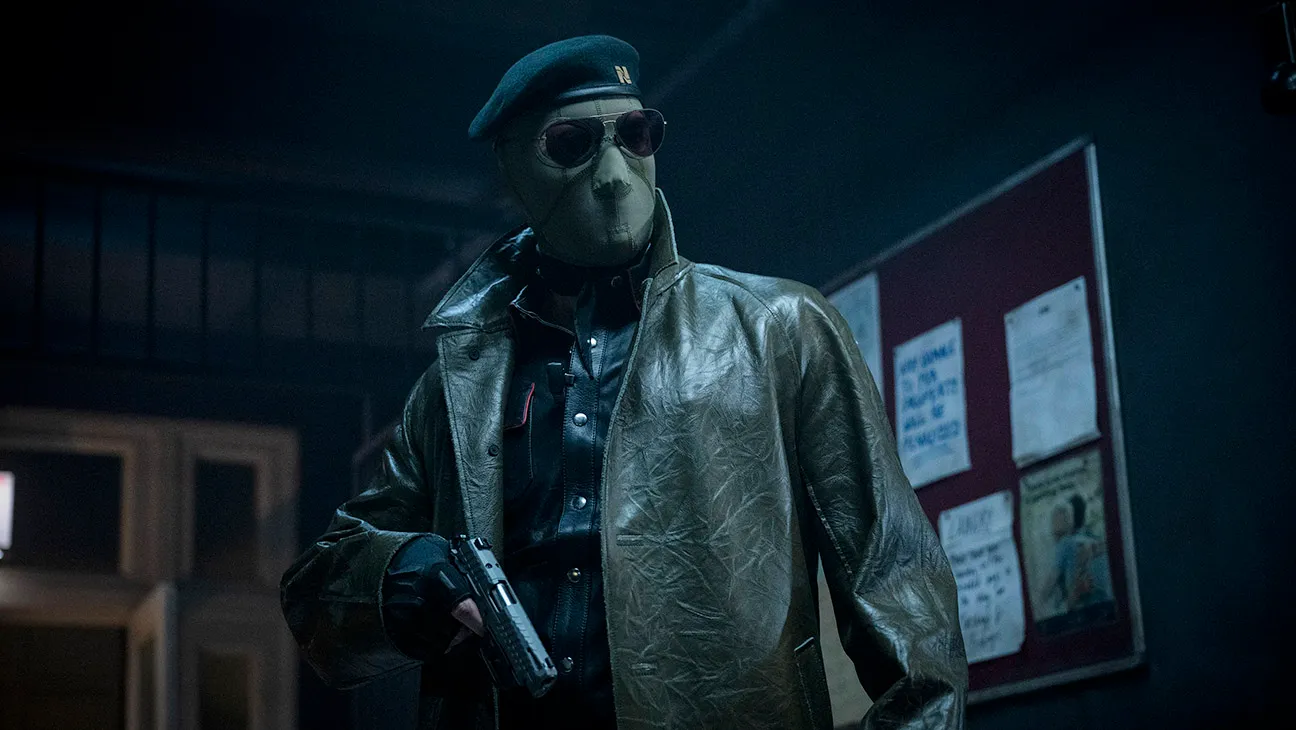
Then there’s the ending, which proves to be the film’s most frustrating miscalculation. After more than two hours of elaborate cat-and-mouse manoeuvring, the climax arrives with surprising abruptness. A plane crashes, chaos erupts, and the story smash-cuts to a riot inside the television studio. And it’s here the real disappointment lies in how the villains are dispatched. For a story built around the promise of justice against those orchestrating the deadly spectacle, the resolution feels oddly toothless. One major antagonist is killed offscreen, robbing the moment of any real catharsis, while another simply walks away from the chaos entirely. After everything the film builds towards, the lack of a satisfying reckoning feels like a creative cop-out.
Which is unfortunate, because for most of its runtime The Running Man proves a slick and entertaining ride. Wright’s direction keeps the film lively, the supporting cast injects plenty of personality, and the satirical undercurrent about media culture gives the story a timely edge. In the end the film lands as a polished but slightly overstuffed reinterpretation of Stephen King’s dystopian tale. It runs hard, delivers plenty of fun along the way, and occasionally offers some sharp observations about the dangerous intersection of media and spectacle. But when the finish line finally arrives, The Running Man stumbles just enough to keep it from becoming the triumphant modern reinvention it might otherwise have been.
Who wrote this?