
Movie Review – Bugonia

Principal Cast : Emma Stone, Jesse Plemons, Aidan Delbis, Stavros Halkias, Alicia Silverstone.
Synopsis: Two conspiracy-obsessed young men kidnap the high-powered CEO of a major company, convinced that she is an alien intent on destroying planet Earth.
********
There’s a particular kind of cinematic chaos that only works when the filmmaker understands exactly how absurd the premise is and commits to it without blinking. Bugonia is that kind of film – flat-earthers and grassy knoll lovers are gonna love this one. What begins as the story of a conspiracy-obsessed nobody kidnapping a powerful pharmaceutical CEO quickly mutates into something far stranger, darker and more biting than the premise initially suggests — a black comedy thriller that constantly teeters on the edge of narrative madness. Directed by Yorgos Lanthimos and anchored by ferociously committed performances from Jesse Plemons and Emma Stone, Bugonia is a gleefully off-kilter satire that toys with paranoia, power and the fragile psychology of people desperate to make sense of the world. It’s weird, abrasive, frequently hilarious, and by the time its utterly bonkers final act lands, it proves itself one of the more daring studio-backed oddities of recent years.

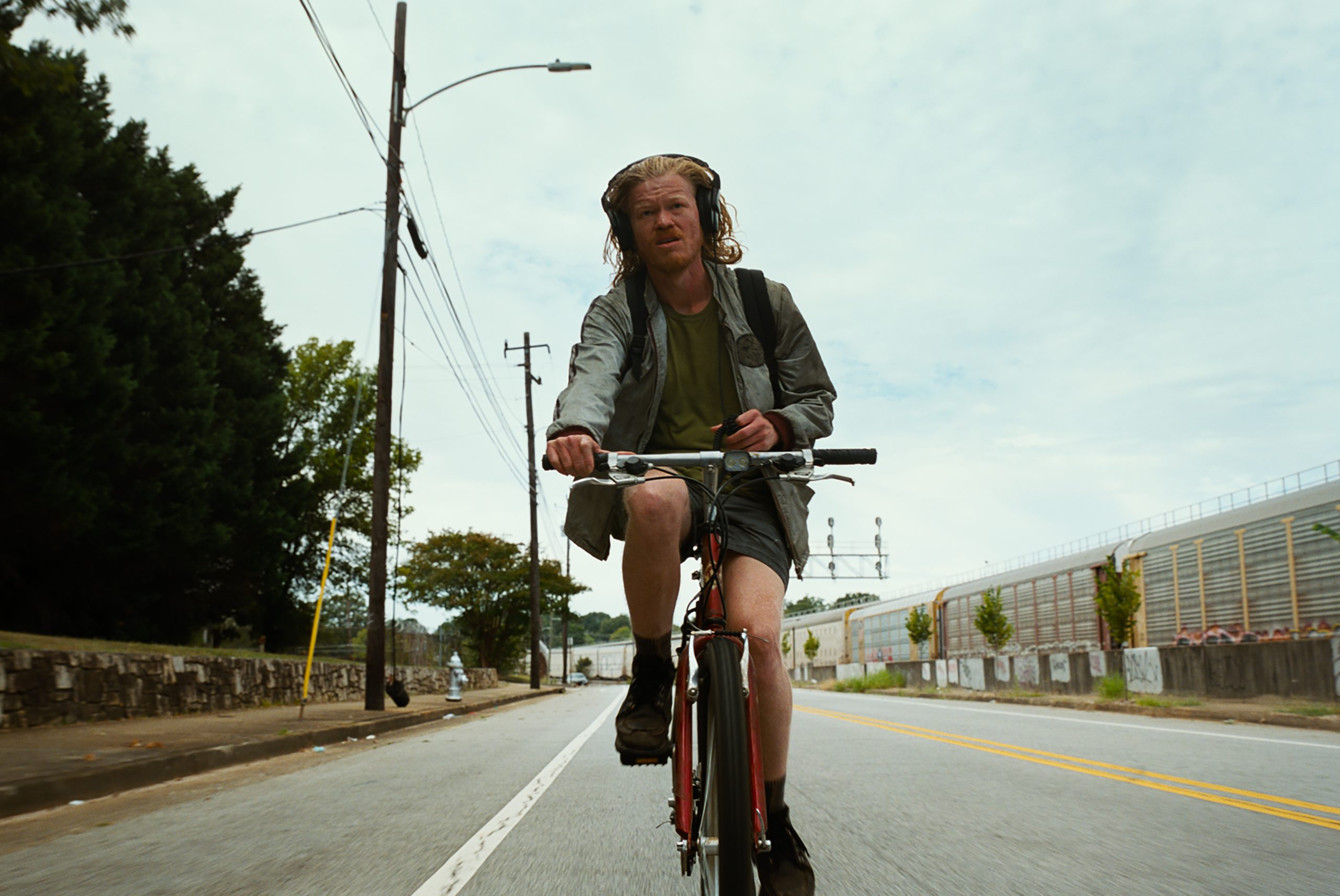
The story centres on Teddy Getz, played with unnerving conviction by Plemons. Teddy is the sort of man who has clearly spent far too much time spiralling through internet conspiracy forums, constructing elaborate narratives about shadowy power structures and secret alien infiltrations. The brilliance of Plemons’ performance is that he never plays Teddy as a simple punchline. Instead, he grounds the character in something quietly tragic. Teddy is a man with very little real-world authority or influence, someone who appears to have drifted into a life of insignificance. His response is to manufacture meaning by convincing himself he has uncovered a hidden truth about the world. When he becomes convinced that pharmaceutical CEO Michelle Fuller (Stone) is secretly an extraterrestrial infiltrator bent on humanity’s destruction, Teddy decides the logical course of action is to kidnap her and force the truth out. It’s an absurd premise on paper, yet Plemons imbues Teddy with such conviction that the character becomes unsettlingly believable.
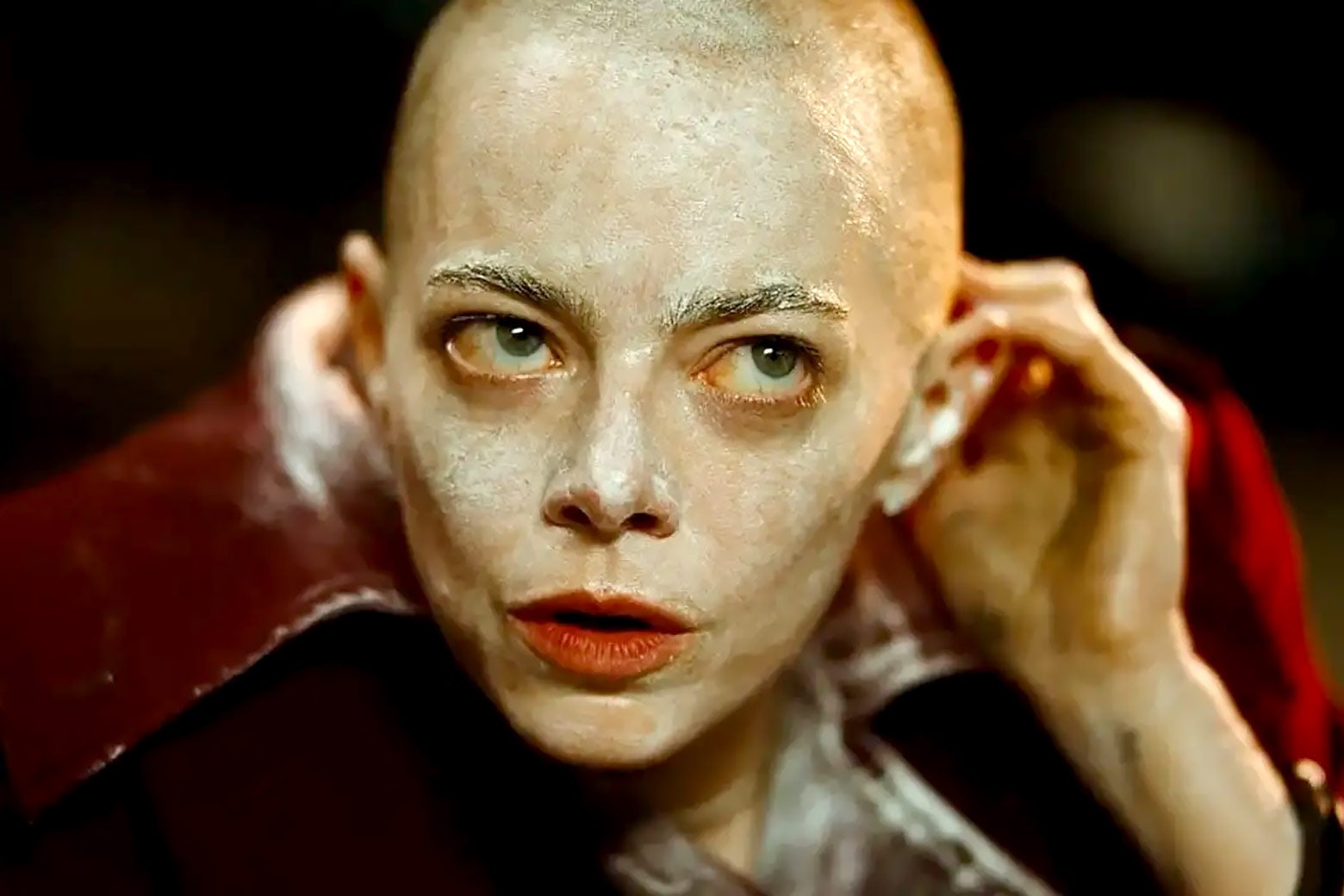
Emma Stone, meanwhile, delivers a powerhouse performance as Michelle, the high-powered executive suddenly reduced to a captive in Teddy’s paranoid fantasy. Stone plays the role with a constantly shifting emotional strategy, cycling through pleading, manipulation, intimidation and outright desperation as she attempts to regain control of her situation. What makes the performance so compelling is how physically expressive Stone allows the character to become — nervous gestures, abrupt tonal changes and sudden bursts of aggression revealing a person trying every conceivable tactic to escape captivity. Stone has become something of a favourite within Hollywood’s awards ecosystem – she’s nominated for Best Actress in this film, her 5th career acting nomination – and the complexity of Michelle’s psychological dance with Teddy certainly gives voters plenty to latch onto.

The supporting cast, though relatively small, delivers performances that punch far above their screen time. Aidan Delbis plays Don, Teddy’s autistic cousin and reluctant accomplice, with a mixture of awkward sincerity and tragic vulnerability. Don’s social limitations make him uniquely susceptible to Teddy’s influence, creating an uncomfortable power dynamic that sits at the heart of the film. Teddy positions himself as the enlightened leader of their mission, while Don becomes the follower who accepts the narrative without question. Delbis captures this imbalance beautifully, portraying Don as a young man desperate for belonging yet painfully ill-equipped to navigate the complex moral territory Teddy has dragged him into. The character becomes both comedic and heartbreaking, embodying the sad reality that Teddy’s grand conspiracy crusade was probably doomed from the outset.
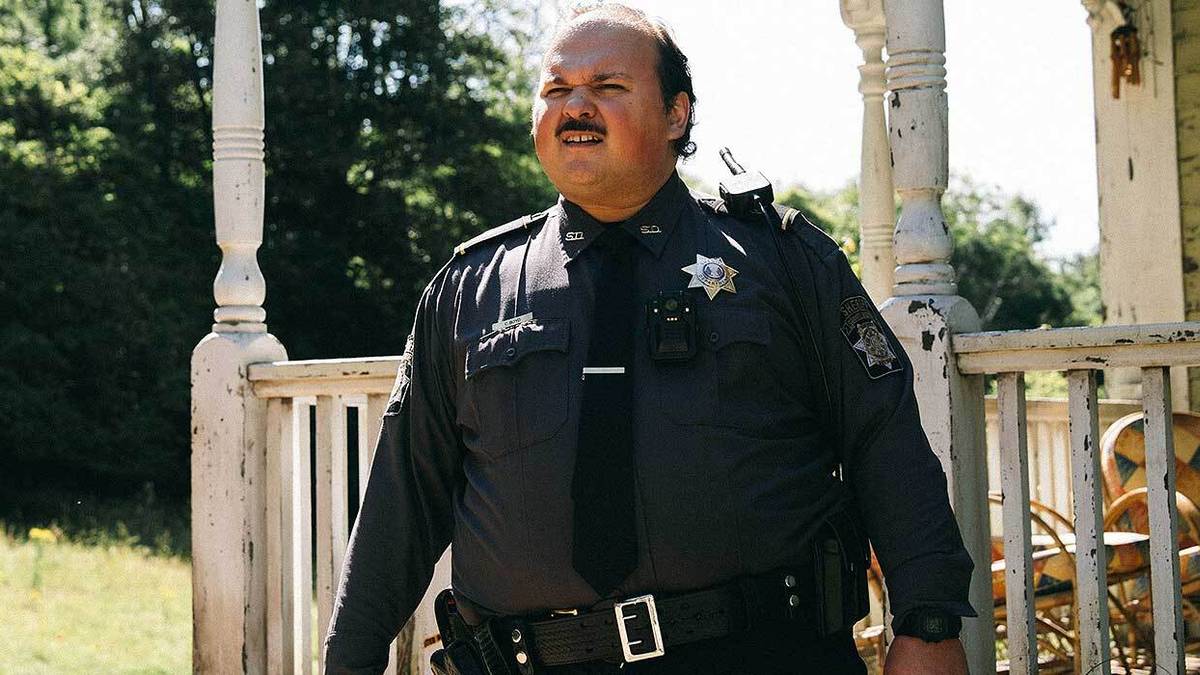
Another quietly disturbing presence arrives in the form of Stavros Halkias as a local police officer, whose connection to Teddy’s past carries deeply unsettling implications. Halkias’ performance is particularly effective because of how casually sinister it feels. His character’s outwardly genial demeanour contrasts sharply with the darker hints surrounding his relationship with Teddy during childhood. The film never spells everything out explicitly, but the implications are enough to cast a long shadow over Teddy’s psychological state. That tension — between outward normality and something far more disturbing lurking beneath the surface — fits neatly into the film’s broader themes of power imbalance and buried trauma.
Adding further emotional texture to Teddy’s backstory is Alicia Silverstone, appearing as his mother in a small but crucial role. While her screen time is limited, Silverstone provides just enough context to deepen our understanding of Teddy’s fractured worldview. The character’s presence reinforces the sense that Teddy’s conspiratorial mindset didn’t emerge in a vacuum but was shaped by a complicated and possibly troubled upbringing.
One of the interesting aspects of Bugonia is its cinematic ancestry. The film is an English-language reinterpretation of the cult South Korean feature Save the Green Planet! from director Jang Joon-hwan. That original film, released in 2003, developed a devoted cult following thanks to its wildly unpredictable mixture of science fiction, horror and pitch-black comedy. Lanthimos’ version retains the core premise — conspiracy believers kidnapping someone they believe to be an alien infiltrator — but reshapes the material into something more overtly satirical in a Western context. Where the Korean original often veered into chaotic genre territory, this adaptation feels colder and more deliberate, with its humour emerging from the slow collision between Teddy’s paranoid worldview and the grounded reality around him.
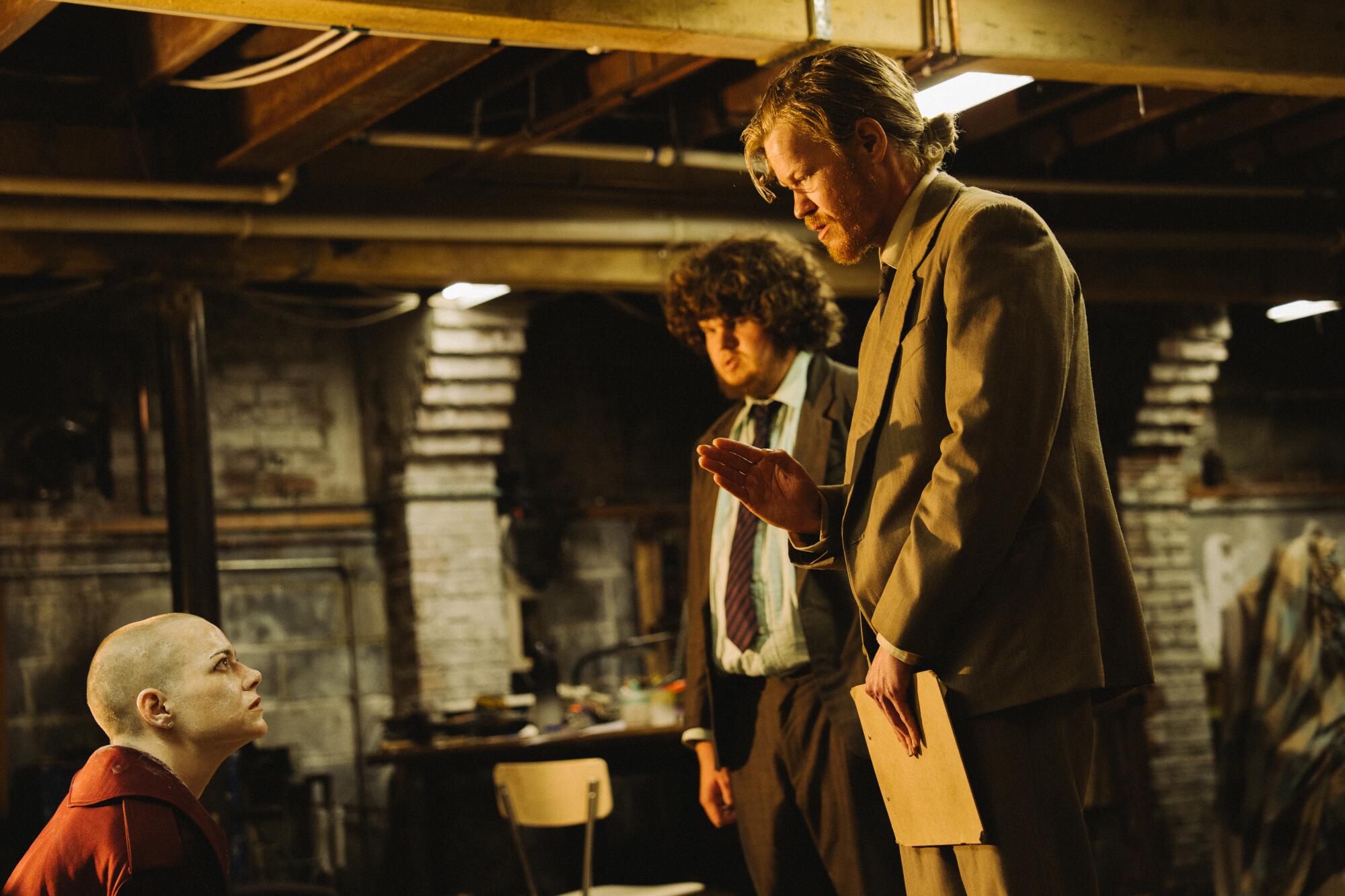
Visually, the film is striking in ways that immediately announce Lanthimos’ distinctive sensibilities. Cinematographer Robbie Ryan reportedly shot the majority of Bugonia using VistaVision, an unusually large 35mm format that produces exceptionally detailed imagery. The result is a visual texture that feels crisp and slightly hyperreal, as though the world of the film exists just a few degrees outside normal reality. Ryan’s compositions frequently trap characters within rigid geometric spaces — Michelle’s CEO offices, doorways, hospital rooms, basements — reinforcing the claustrophobic environment of Teddy’s hideout while also visually echoing the psychological cages each character inhabits. Dare I even suggest that there’s something vaguely Kubrickian about Bugonia? That might feel like a film critic’s cop-out analysis, but Lanthimos’ work here shares a LOT of structural and visual similarities with the director of The Shining, or Eyes Wide Shut.

The film’s colour palette deserves praise as well. Lanthimos and Ryan lean into an aesthetic dominated by sterile greens, washed-out industrial tones and harsh fluorescent lighting that evokes corporate laboratories and underground bunkers alike. This palette creates a visual bridge between the worlds of corporate authority and paranoid conspiracy, reinforcing the uneasy tension between those two realms.
The editing is another key element of the film’s unsettling rhythm. Lanthimos deliberately allows conversations to stretch far longer than most thrillers would dare, letting awkward pauses and strange conversational tangents linger until the discomfort becomes almost unbearable. Scenes often feel like they are hanging in mid-air, waiting for something explosive to happen, and when those moments of escalation finally arrive they land with startling force. The effect is an editing style that mirrors Teddy’s mental state — jagged, obsessive and constantly teetering on the brink of chaos. Jerskin Fendrix’s musical score amplifies that tension beautifully. Rather than providing traditional thematic melodies, the composer constructs a jagged soundscape of discordant orchestration and unsettling musical textures. Instruments seem to scrape against each other, rhythms fracture unexpectedly, and the overall effect creates a sense of permanent unease. The music rarely settles into anything resembling comfort, instead maintaining a frazzled energy that mirrors the manic psychology driving the film’s narrative.
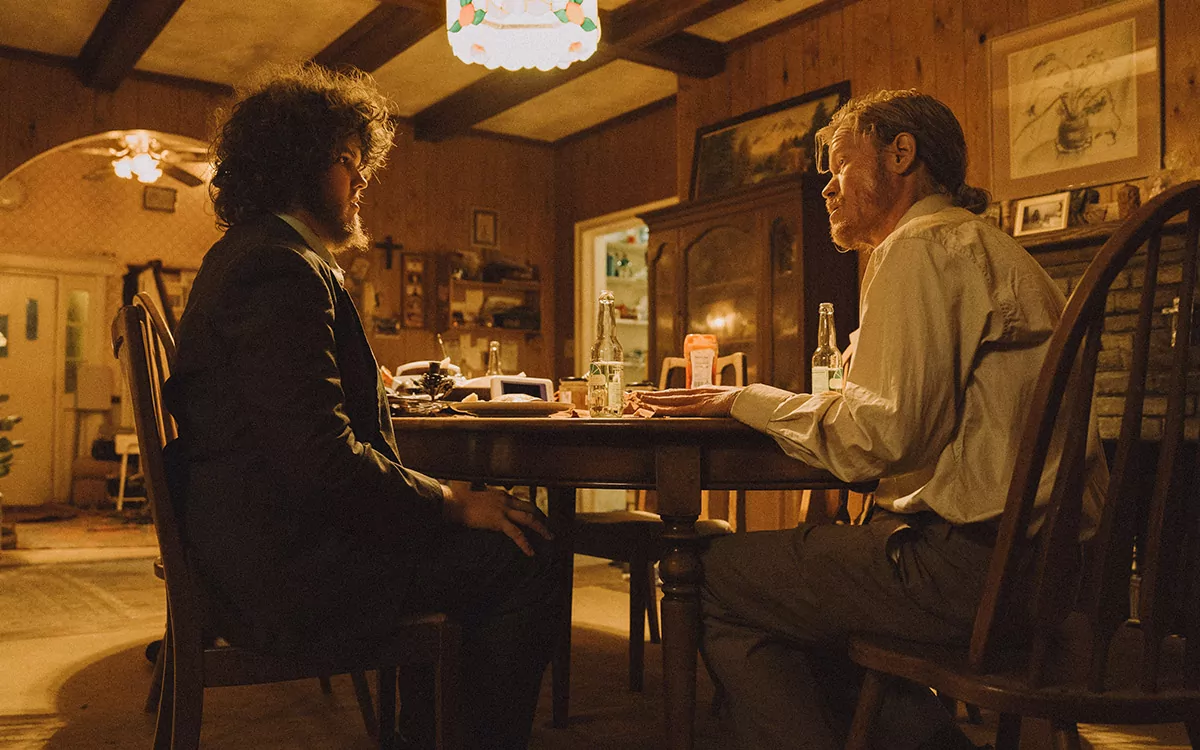
If I were forced to level one genuine criticism at Bugonia, it would be that the film occasionally feels a little longer than it needs to be. Lanthimos clearly prioritises atmosphere and character exploration over narrative urgency, and while that approach allows the performances to breathe, it also means the early sections of the film move at a deliberately measured pace. The extended conversational scenes between Teddy, Don and Michelle are fascinating from a psychological perspective, but there are moments where the narrative feels like it’s circling its central idea rather than advancing it.

That said, the slow-burn pacing ultimately proves purposeful. By the time the story begins accelerating toward its third act, the groundwork laid by those earlier conversations pays off in unexpected ways. The audience has spent enough time inside Teddy’s warped worldview that when the film finally pulls the rug out from beneath our assumptions, the impact lands with considerably more force. Tonally, Bugonia feels like it exists somewhere between the bleak absurdism that has defined much of Lanthimos’ filmography and the darkly comic fatalism often associated with the Coen Brothers. It’s a black comedy that repeatedly brushes up against the territory of the so-called “idiot plot,” where characters pursue increasingly misguided actions in service of a fundamentally flawed premise. But the film isn’t mocking stupidity so much as exploring the human impulse to construct elaborate explanations for a chaotic world.

For Teddy, believing in a secret alien conspiracy gives his life purpose. It transforms him from an anonymous nobody into a self-appointed saviour of humanity. The tragedy — and the comedy — lies in how desperately he clings to that illusion. Whether that illusion holds any truth at all is something the film teases with wicked glee right up until its final moments. And when that final twist arrives — a gloriously deranged narrative pivot I won’t dare spoil here — the entire film suddenly snaps into focus. What initially seemed like narrative madness reveals itself as a carefully constructed satirical trap.
Bugonia is undoubtedly going to divide audiences. Its arthouse pacing, deliberately strange humour and visually eccentric style will almost certainly push some viewers away during the early stretches. I can easily imagine people switching off during the first hour, convinced the film has no idea where it’s heading. But those willing to stick with it will find themselves rewarded with one of the boldest and most entertaining black comedies of the year. Strange, unsettling, hilarious and occasionally downright deranged, Bugonia is a reminder that sometimes the most memorable films are the ones willing to embrace their own madness.
Who wrote this?