
Movie Review – Ace Ventura: Pet Detective
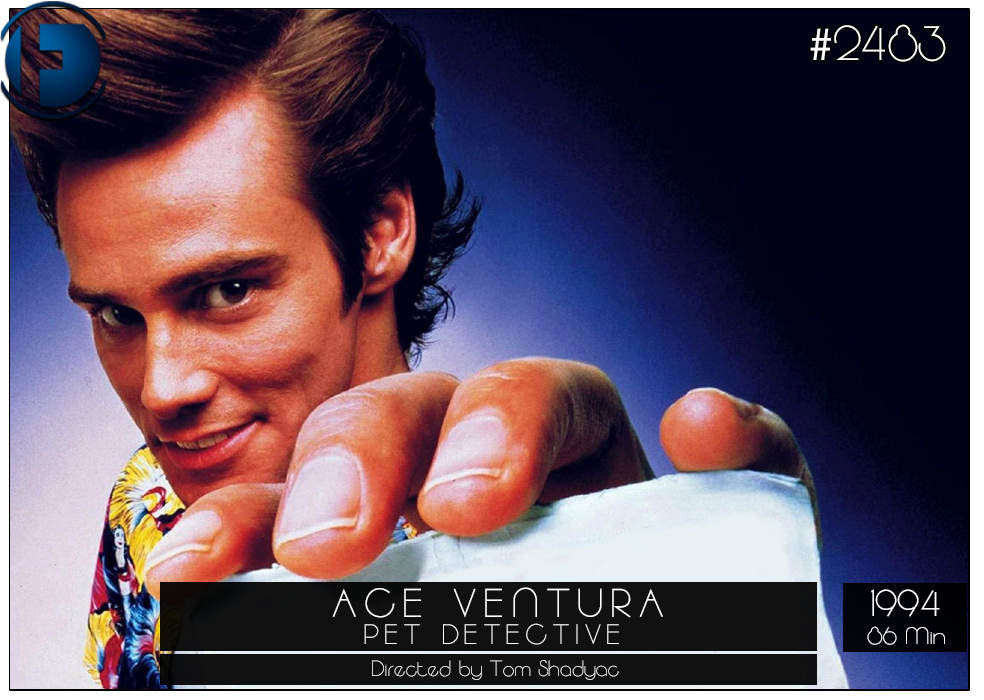
Principal Cast : Jim Carrey, Courteney Cox, Sean Young, Tone Loc, Dan Morino, Noble Willingham, John Capodice, Raynor Scheine, Frank Adonis, Tony Ron, Troy Evans, Udo Kier, David Margulies, Bill Zuckert, Judy Clayton, Alice Drummond, Rebecca Ferratti, Mark Margolis.
Synopsis: A goofy detective specializing in animals goes in search of the missing mascot of the Miami Dolphins.
********
Few comedies arrive out of nowhere and completely reshape the comic landscape of their era, but Ace Ventura: Pet Detective did precisely that. Released in 1994 and directed by Tom Shadyac, the film became a surprise cultural lightning rod, propelled almost entirely by the rubber-limbed, manic performance of Jim Carrey in the title role. Revisiting it now, decades removed from its mid-90s cultural moment, the film still feels like a strange lightning strike: anarchic, juvenile, wildly confident in its comic rhythms, and very much a product of its time.
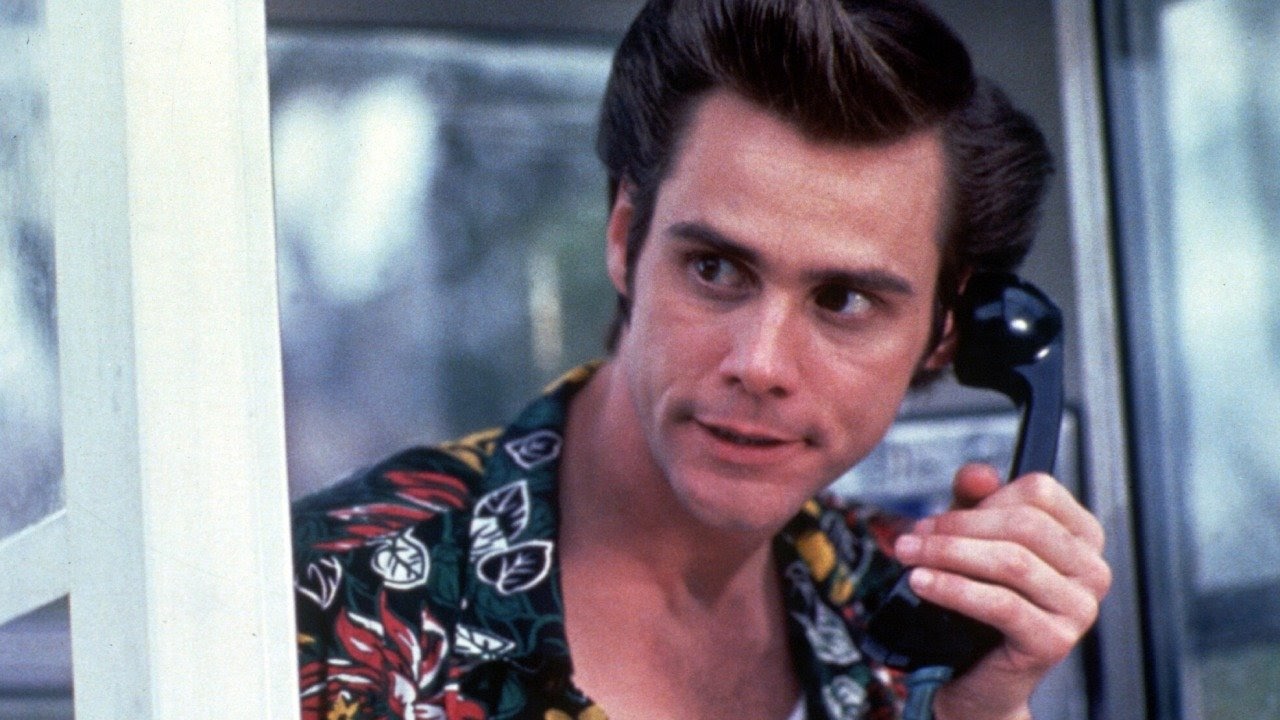
What stands out immediately is how thoroughly the film trades on Carrey’s elastic physicality and improvisational instincts. The narrative framework itself is almost secondary. In truth, Ace Ventura: Pet Detective is a fairly genteel detective comedy dressed up in absurdity, built around the concept of a private investigator who specialises in locating missing animals. It’s a ridiculous premise on paper, but the film commits wholeheartedly to the bit, largely because Carrey does.

At the time of its release, Carrey was still something of a wild card. He had been honing his comic persona through television appearances and sketch work, but this film — paired with the release of The Mask later that same year — transformed him into a bona fide box-office superstar almost overnight. The two films together created a one-two punch that turned his elastic-faced, improvisational style into the defining comic energy of the decade. Watching Ace Ventura now, it’s fascinating to see the raw, almost unfiltered version of that persona still taking shape.
The plot, such as it is, revolves around the kidnapping of the Miami Dolphins’ beloved mascot — an actual dolphin named Snowflake — on the eve of the Super Bowl. Ace Ventura is brought in to track down the missing animal, and the investigation gradually reveals a backstory tied to a disgraced former football player and a decades-old Super Bowl incident. It’s a basic mystery structure, but it works well enough as scaffolding for the film’s real purpose: giving Carrey room to improvise, preen, contort, and mug directly to the audience.
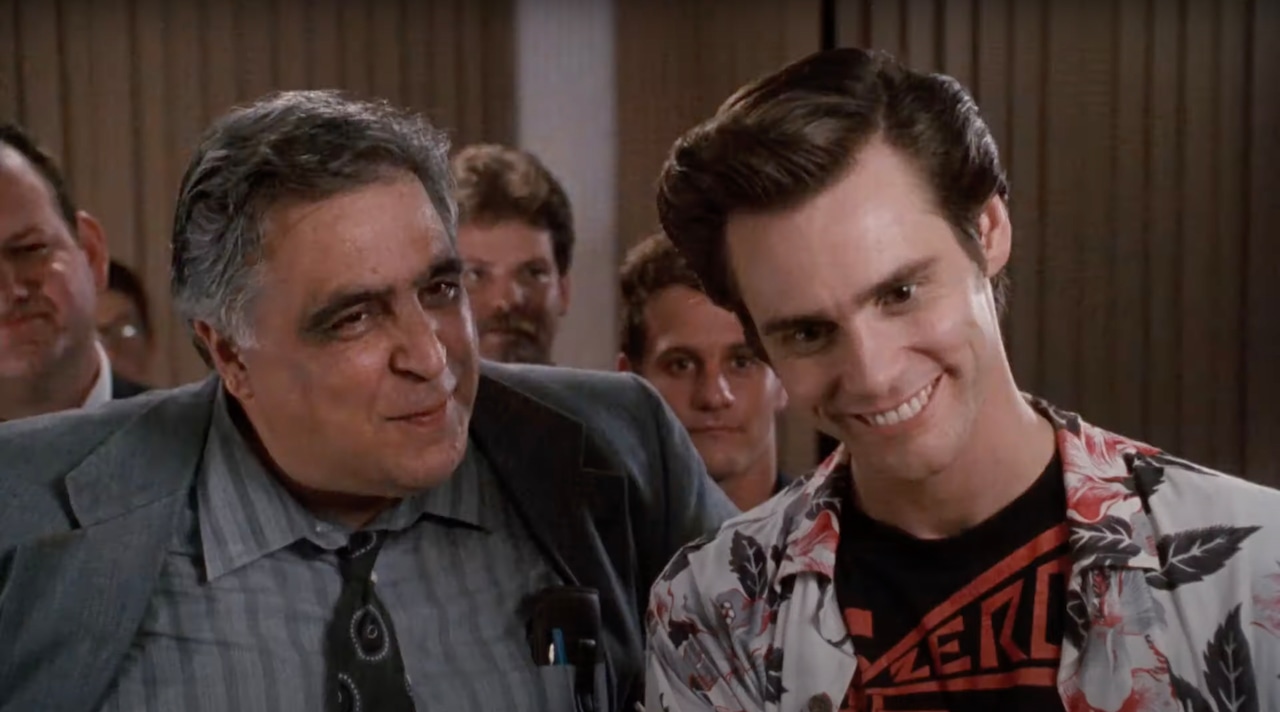
Director Tom Shadyac deserves some of the credit here. Rather than trying to impose a rigid comic structure, he wisely allows Carrey’s improvisational energy to dominate the screen. Point the camera, hit record. Pretty simple. The film occasionally flirts with the aesthetics of detective noir — not so much through shadowy plotting as through its atmosphere. The sweaty Miami locations, saxophone-heavy musical cues and the general sense of a private eye wandering through humid nights lend the film a tongue-in-cheek detective flavour. Within that framework, Carrey gleefully weaponises Ventura’s obnoxious personality, heading funny things directly at anyone unlucky enough to cross his path.
What makes the film particularly distinctive is its pacing. It moves briskly, rarely lingering on plot mechanics for too long before launching into another gag or physical routine. Slapstick is the dominant comedic currency here, often accompanied by an unabashed reliance on toilet humour — at one point, quite literally. Yet despite the crudeness of some jokes, the film maintains an almost infectious enthusiasm that makes it difficult not to laugh along. Many of the gags have entered pop-culture folklore. Ventura’s bizarre greeting rituals, his exaggerated hip thrusts, the unforgettable “all righty then!” catchphrase, and the gleefully juvenile “Assholio” moment remain oddly durable decades later. Even smaller comic beats — like Ventura’s pronunciation of “loser” as the drawn-out “looose-eh-her!” — demonstrate how much of the humour derives from Carrey’s vocal delivery rather than traditional joke construction.
Opposite Carrey is Courteney Cox, playing Dolphins publicist Melissa Robinson. Cox, who would soon become globally recognisable thanks to Friends, often appears faintly bewildered by the comic hurricane swirling around her. It’s almost as though she — like the audience — is trying to process exactly what kind of movie she has wandered into. Her straight-faced reactions actually provide a useful grounding mechanism for the chaos, even if she rarely gets to participate directly in the comedic mayhem.
Beyond the central pair, the film’s supporting cast quietly does a lot of heavy lifting, frequently serving as the straight-faced recipients of Ventura’s absurd behaviour. Veteran character actor Udo Kier appears briefly as wealthy socialite Ronald Camp, bringing his usual suave eccentricity to the role. Kier has always excelled at playing characters with an air of aristocratic strangeness, and even in a relatively small part he adds a note of theatrical flair that fits comfortably within the film’s heightened tone. Elsewhere, the wonderful Alice Drummond shows up as Mrs Finkle, the eternally supportive — and somewhat oblivious — mother of disgraced former football kicker Ray Finkle. Drummond plays the role with a beautifully straight delivery that makes the entire sequence increasingly ridiculous as Ventura uncovers the truth about her son’s downfall. Her unwavering maternal pride, even as the situation grows stranger by the minute, becomes one of the film’s quiet comic highlights.
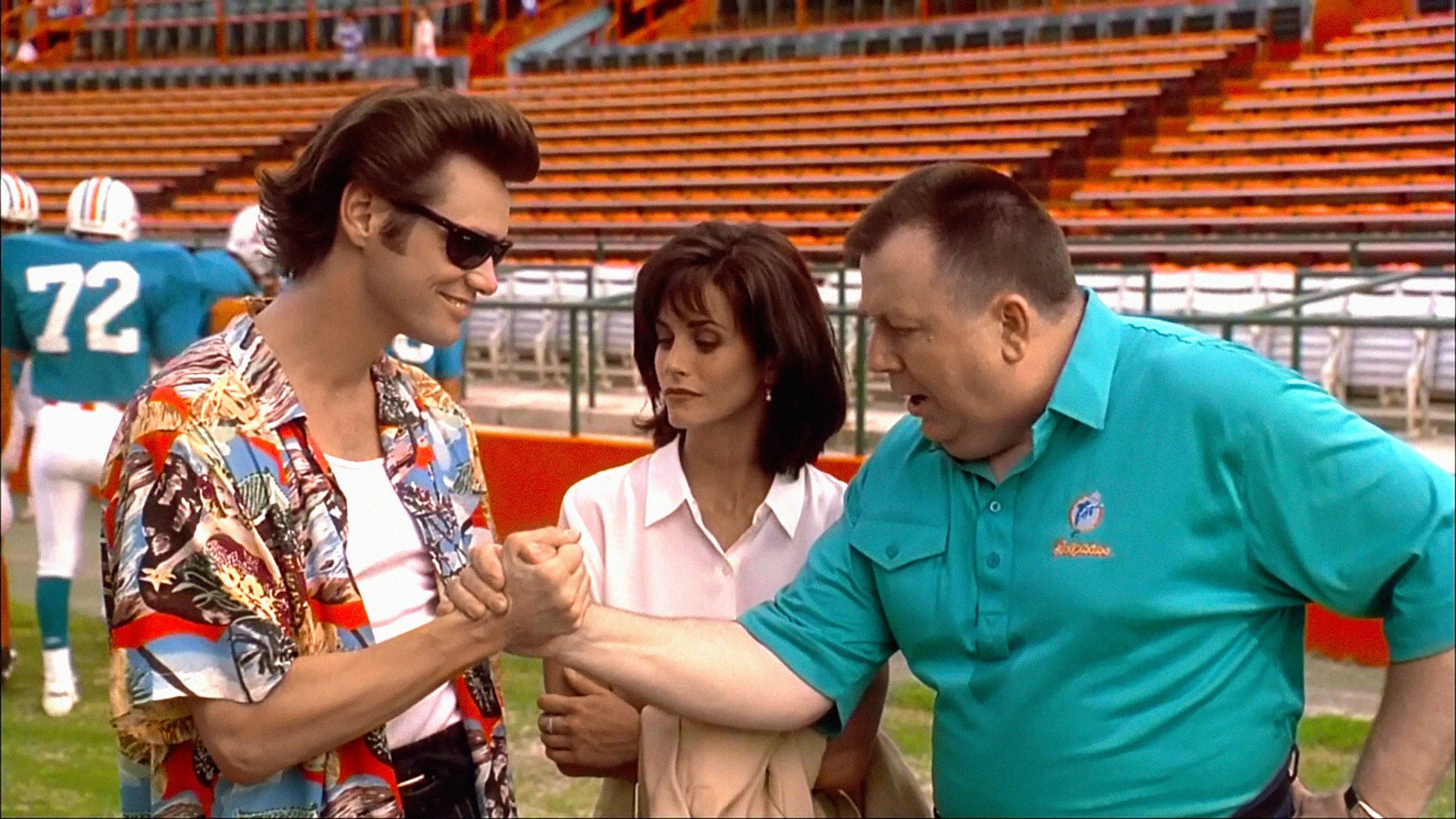
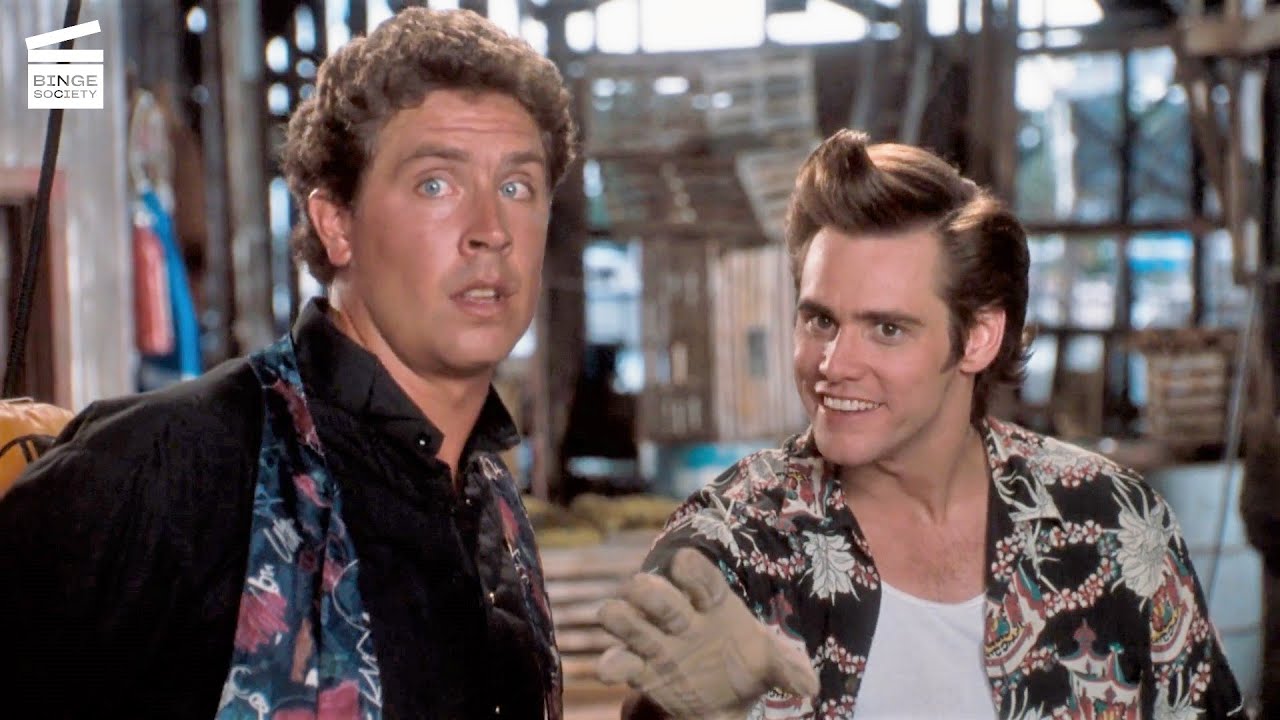
Likewise, Troy Evans appears as Dolphins coach Roger Podacter, and he performs the essential function of the perpetually perplexed authority figure. Evans’ reactions to Ventura’s investigative “methods” — which range from eccentric to outright deranged — are played with just the right level of exasperated disbelief. Characters like Podacter ground the film’s madness; without them, the comedy would have nothing solid to bounce off. Another fun presence is Tone Lōc, who appears as Detective Emilio. Seeing the rapper pop up in a straight-faced police role was amusing in 1994, and it’s arguably even more entertaining today. His wide-eyed reactions to Ventura’s antics provide a steady stream of low-key laughs, and his casting reflects a broader cultural moment when musicians — particularly rappers — were beginning to transition into film roles. In that sense, his appearance almost foreshadows later examples such as Ludacris (born Chris Bridges) or Tyrese Gibson moving from music into action franchises like Fast & Furious.

And then, of course, there’s the film’s most prominent cameo: Miami Dolphins quarterback Dan Marino playing himself. The meta joke of having the real-life NFL star caught up in Ventura’s bizarre investigation is undeniably fun, though it also highlights Marino’s complete lack of acting experience. He isn’t a comedic performer — in fact, he isn’t really an actor at all. The result is a series of scenes where Carrey and the professional actors around him have to do most of the heavy lifting. Still, Marino’s presence adds a certain authentic charm to the football-centric plot, even if his delivery occasionally feels as stiff as a freshly pressed jersey.
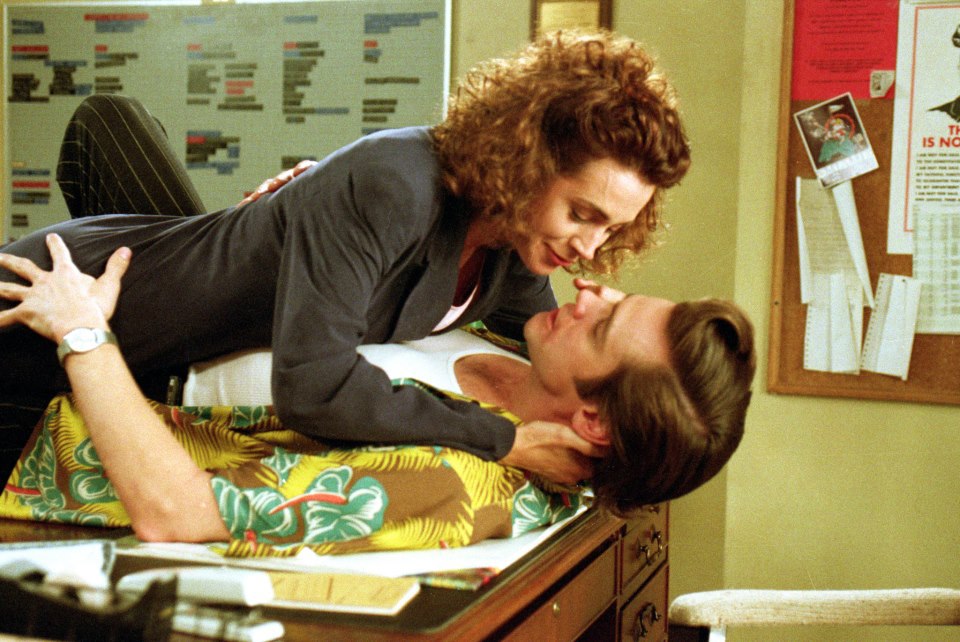
One of the more curious aspects of the film is how little screen time animals actually receive. For a story centred on a pet detective, the narrative surprisingly sidelines its animal cast for extended stretches. Snowflake the dolphin is certainly important to the plot, but much of the runtime focuses on Ace’s investigative antics rather than interactions with animals. Of course, the real fascination of the film lies in the impossibly coiffed Ace Ventura himself. He isn’t a particularly likeable person in any conventional sense. Ventura is obnoxious, sarcastic, overbearing and frequently behaves like a wild infant, blurting out whatever crosses his mind no matter how badly it might offend the people around him. In the real world he would be utterly exhausting — the sort of personality most people would actively avoid spending any time with at all.
And yet, watching him on screen is enormously funny.
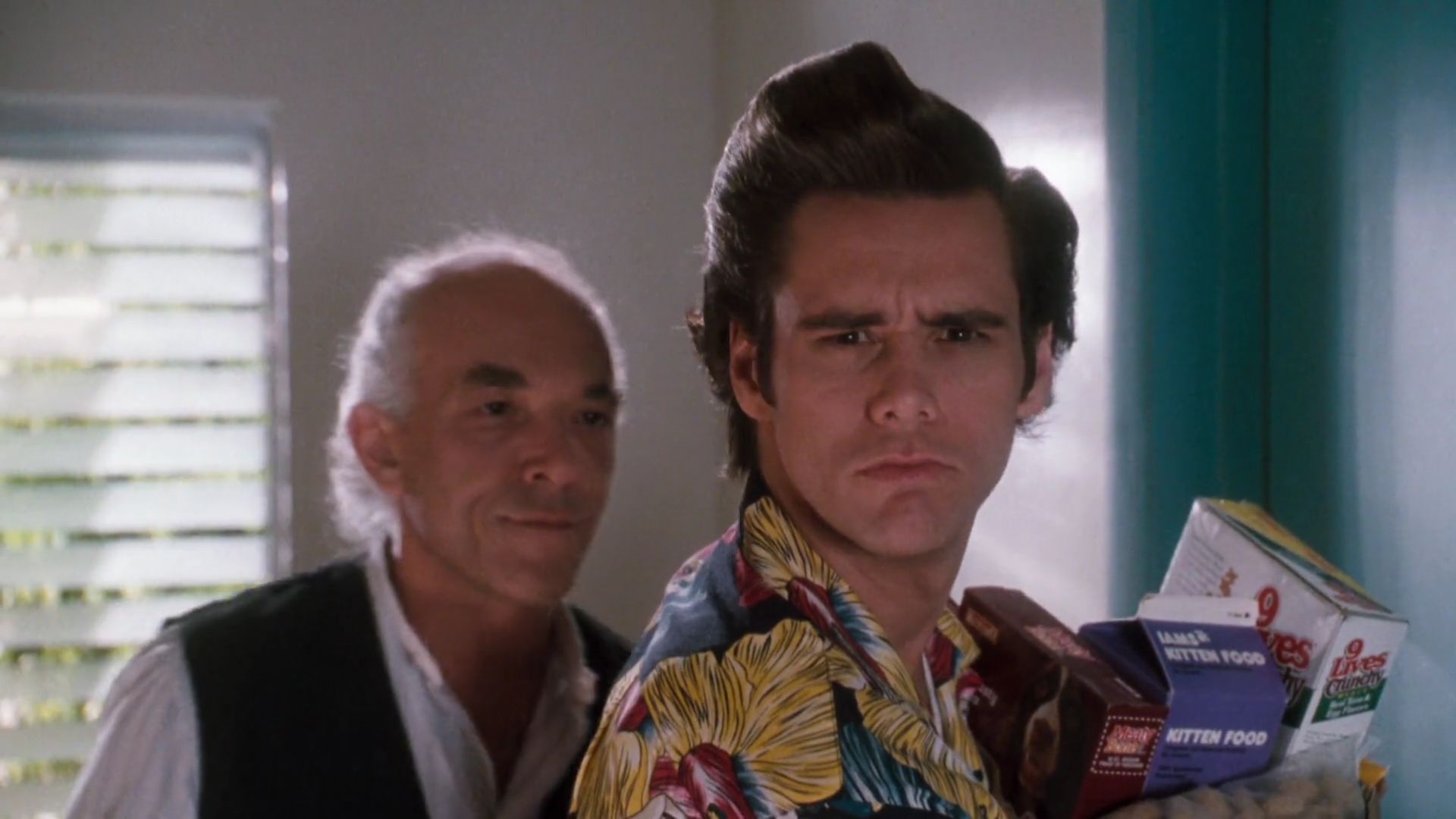
That strange dichotomy sits at the heart of the film’s success. Carrey manages the remarkable trick of making a fundamentally antisocial character strangely lovable. The sheer commitment to the performance, the physical inventiveness, and the relentless comic energy somehow turn behaviour that should repel us into something we can’t stop watching. It’s a testament to Carrey’s comic instincts that he can push the character so far into obnoxious territory and still keep the audience firmly on his side.
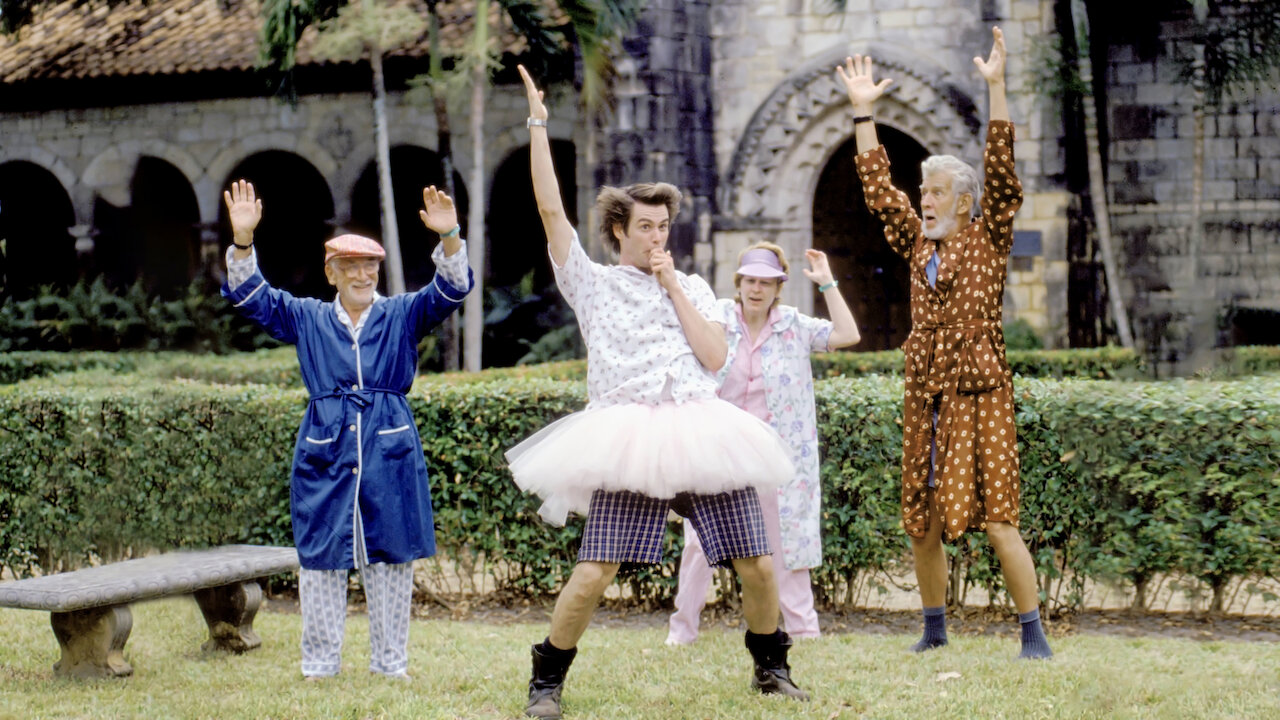
Revisiting Ace Ventura: Pet Detective today also means confronting some elements that have not aged particularly well. The film’s climactic revelation — involving a character whose gender identity becomes the butt of a series of jokes — carries an unmistakable whiff of 1990s homophobia and transphobia. At the time the gag was played broadly for shock value and audience laughter; through a modern lens, it feels uncomfortable and somewhat mean-spirited.
Production-wise, the film also feels noticeably lower budget than memory might suggest. The locations are modest, the visual style fairly utilitarian, and the production design minimal. Yet that simplicity works in the film’s favour. Without elaborate spectacle to distract from the central performance, the movie lives or dies entirely on Carrey’s ability to keep the audience laughing — and more often than not, he does.
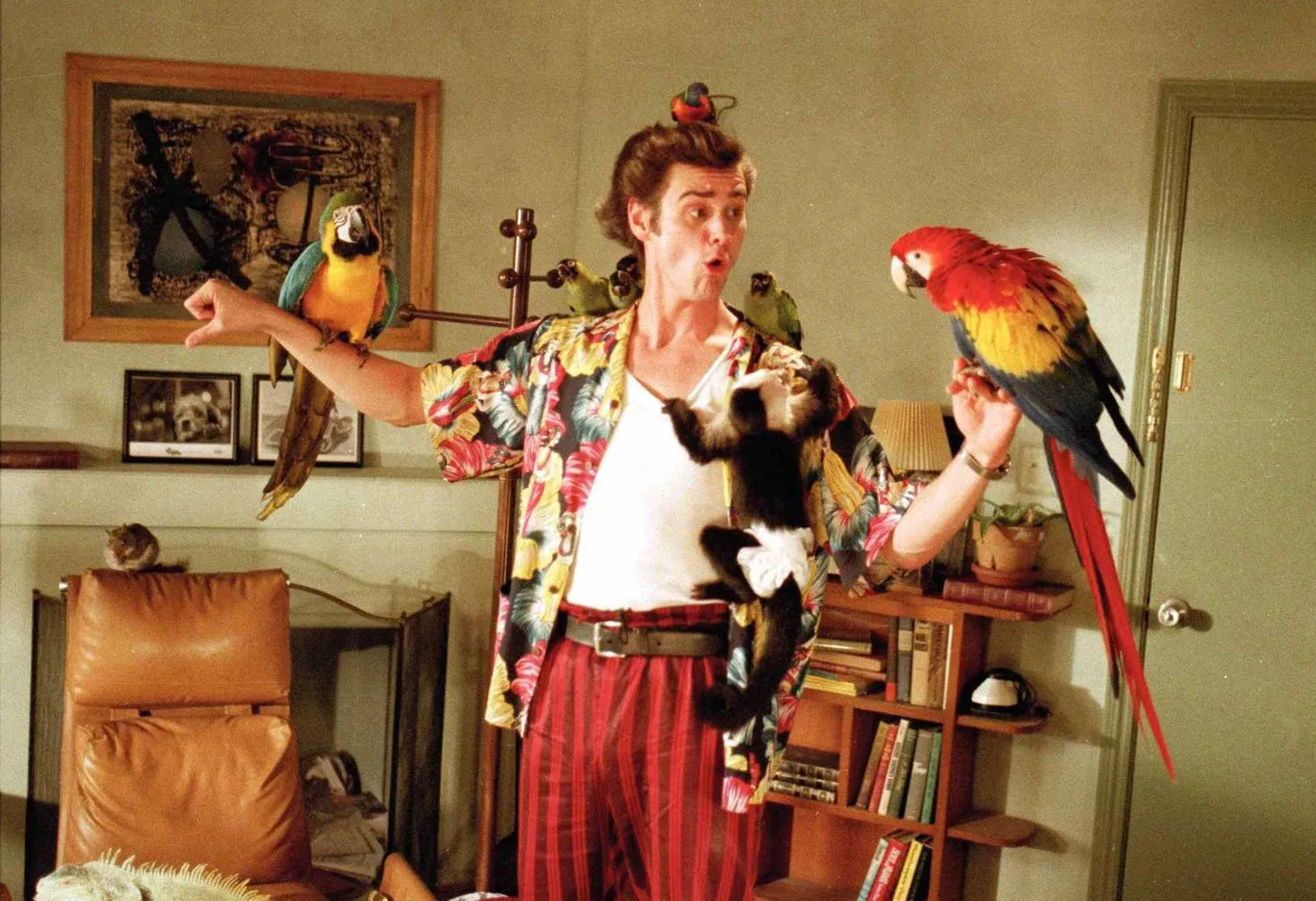
Seen today, Ace Ventura: Pet Detective is unmistakably a product of its era: broad, occasionally crude, and carrying a few jokes that haven’t aged well. But it also remains an enormously entertaining showcase for early Jim Carrey, capturing the moment when his anarchic comedic persona exploded into the mainstream. For a blast of 1990s nostalgia — and a glimpse of Carrey before he fully conquered Hollywood — the film still works remarkably well.
Who wrote this?