
Movie Review – Weapons
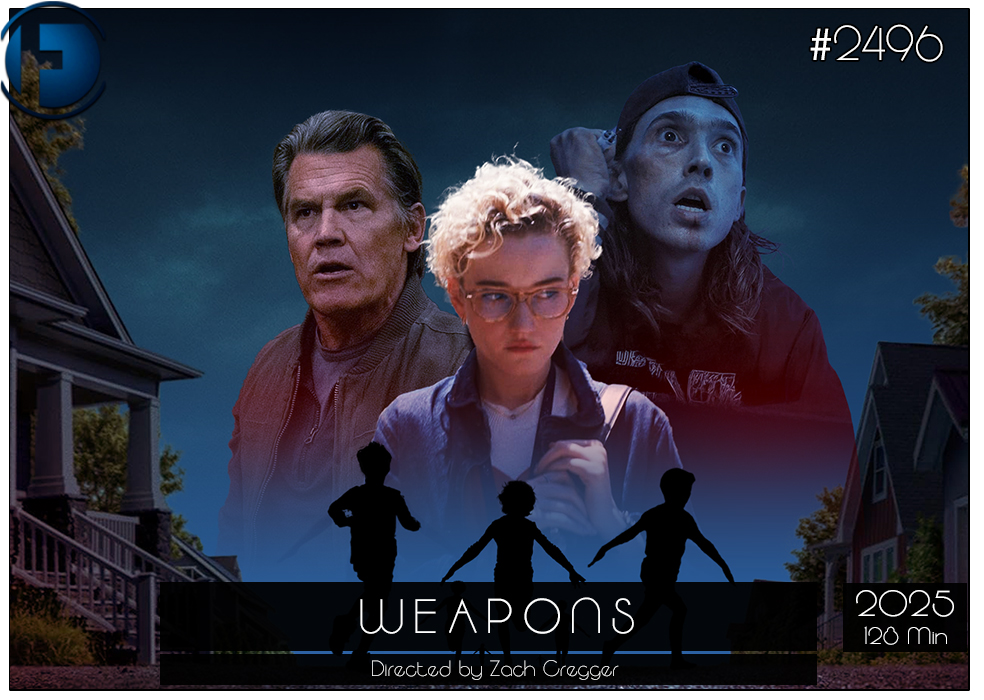
Principal Cast : Josh Brolin, Julia Garner, Amy Madigan, Alden Ehrenreich, Austin Abrams, Cary Christopher, Toby Huss, Benedict Wong, Sara Paxton, Justin Long, June Diane Raphael, Whitmer Thomas, Callie Schuttera, Scarlett Sher.
Synopsis: When all but one child from the same class mysteriously vanish on the same night at exactly the same time, a community is left questioning who or what is behind their disappearance.
********
Horror cinema occasionally produces a film that feels less like a conventional genre entry and more like a carefully engineered nightmare — a story that unfolds slowly, methodically, and with unnerving confidence in the audience’s ability to keep up. Bless the industry, these kinds of genre films are becoming more prominent these days thanks to auteur directors like Robert Eggers, Jordan Peele, and Ari Aster (among others). Weapons, written and directed by Zach Cregger, is exactly that sort of film. Following the cult success of his breakout horror feature Barbarian, Cregger returns with something even more ambitious: a multi-perspective mystery that builds dread not through spectacle or jump scares, but through the slow accretion of disturbing information. It’s electrifying cinema — the kind of horror film that grips on early, and then tightens the screws scene by scene until the implications of what you’re watching begin to feel genuinely unsettling.
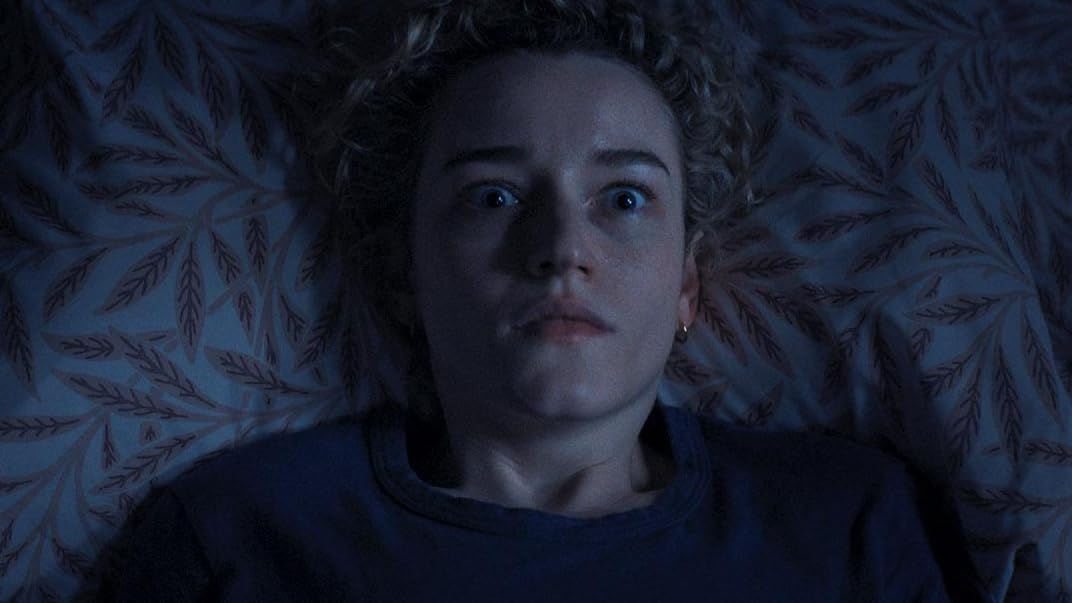
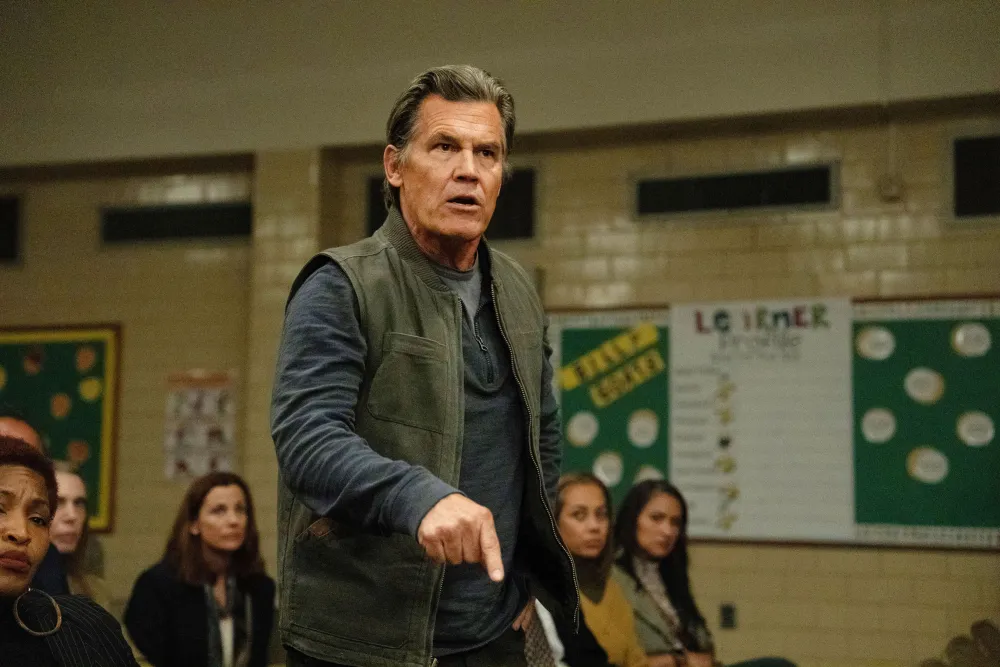
The story begins with a quietly horrifying premise. One morning in an otherwise ordinary suburban community, several children from the same classroom vanish without explanation. Suspicion quickly falls upon their teacher, Justine Gandy (Julia Garner), who becomes the reluctant focal point of a community desperate for answers. As the police struggle to find any trace of the missing children, the investigation splinters into several overlapping narratives: grieving parents demanding accountability, a troubled police officer attempting to make sense of contradictory clues, and a traumatised child who may have seen more than he is capable of articulating. Among those drawn into the mystery are Archer Graff (Josh Brolin), the furious father of one of the missing kids; Paul, an alcoholic police officer played by Alden Ehrenreich; a homeless drifter named Ricky (Austin Abrams); and Alex Lilly (Carey Christopher), the one child who appears to have survived whatever happened to the others.
Cregger’s screenplay is remarkably disciplined in the way it distributes information. The film unfolds through multiple character perspectives, with each narrative thread revealing fragments of the same underlying mystery. Crucially, these shifts never feel like stylistic gimmicks. Each tangent adds a new emotional or narrative dimension, gradually assembling a larger picture that becomes more troubling the longer the film progresses. It’s a structure that could easily collapse into confusion, but here it’s executed with impressive precision. A similarly fragmented storytelling approach in House of Dynamite struggled to maintain narrative coherence; Weapons, by contrast, feels meticulously engineered, every viewpoint revealing something the audience didn’t know they needed to understand.
What makes the screenplay particularly effective is its refusal to over-explain itself. Cregger writes dialogue that carries enormous subtext while remaining deceptively simple on the surface. Characters rarely spell out their fears or suspicions directly; instead, the film trusts viewers to recognise the implications as they emerge. This confidence in the audience becomes one of the film’s defining strengths. There’s no climactic monologue that neatly explains the horror, no final exposition dump designed to clarify the rules of the story. Instead, the realisation dawns gradually — often at the exact same moment the characters themselves begin to understand what they may be dealing with.
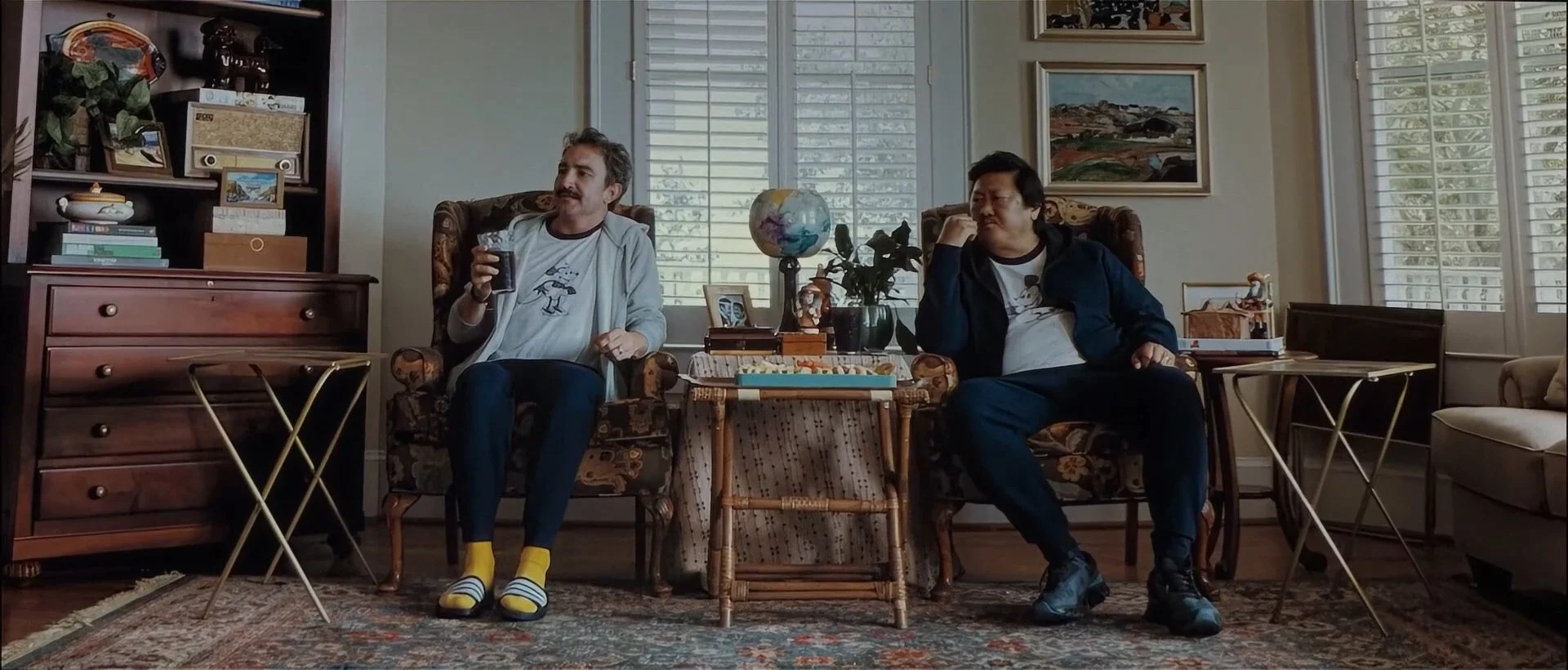
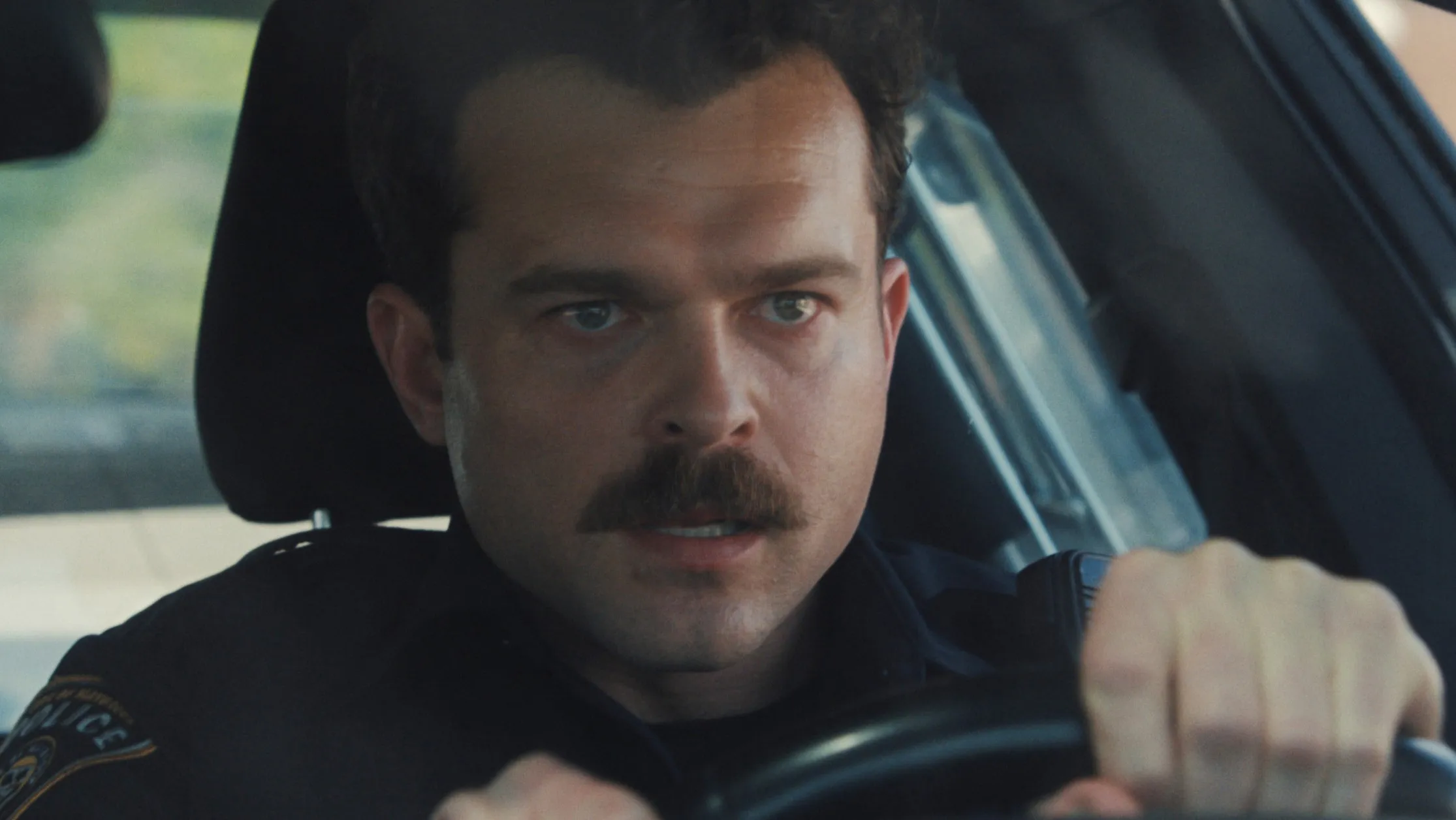
The performances across the board are exceptional, anchored by Julia Garner’s quietly compelling work as the accused teacher at the centre of the storm. Garner plays Justine Gandy with an understated vulnerability that makes the character’s predicament deeply uncomfortable to watch. She isn’t written as a conventional suspect or victim; rather, she exists in an uneasy middle ground, caught between a community’s grief and its need to blame someone. Josh Brolin delivers a predictably commanding turn as Archer Graff, the father whose grief quickly mutates into relentless determination. Brolin has made a career out of playing men fuelled by anger and resolve, but here there’s something more fragile beneath the surface. Archer isn’t simply furious — he’s terrified of what might have happened to his child, and that fear drives him toward increasingly reckless decisions. The film’s most emotionally affecting character arc, however, belongs to Alden Ehrenreich’s Paul. The alcoholic police officer struggling with addiction and a stagnant home life could easily have been written as a familiar genre cliché, but Ehrenreich gives the character a quiet desperation that makes his investigation feel deeply personal. Paul isn’t chasing redemption so much as he’s grasping for something that might give his life a sense of purpose again.
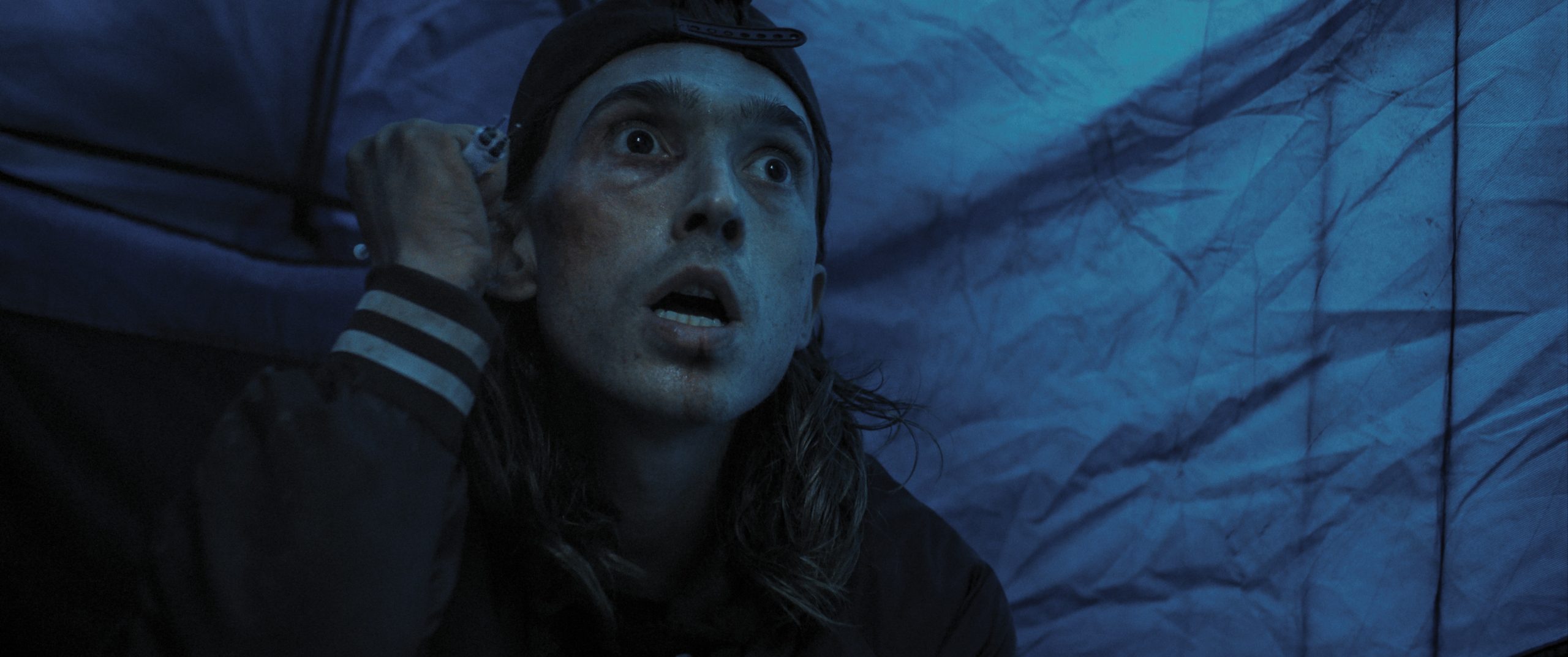
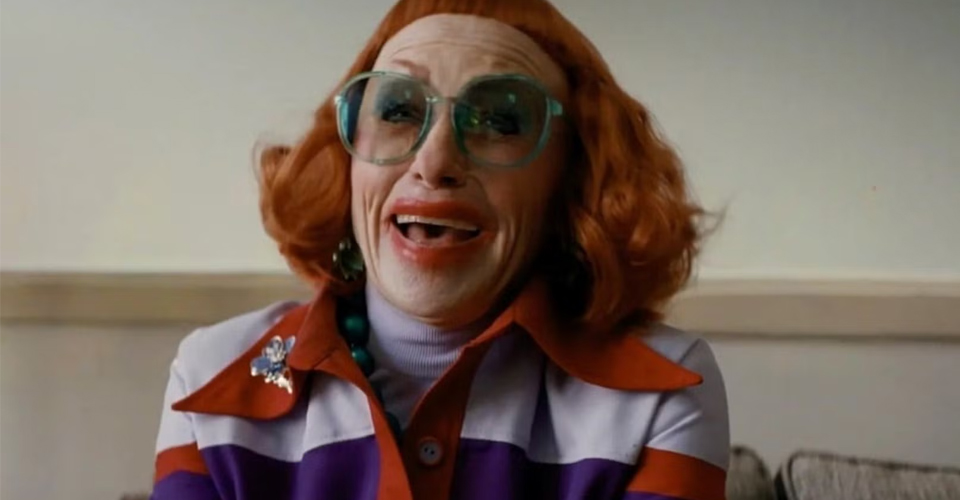
Austin Abrams contributes a strangely poignant performance as Ricky, a drug-addled drifter whose scattered observations introduce both dark humour and unexpected insight into the narrative. Abrams balances tragedy and absurdity with remarkable control, creating a character who is both disarming and deeply unsettling. Perhaps the film’s most hypnotic presence, however, is Amy Madigan as Aunt Gladys. Madigan’s Oscar-winning performance is extraordinary — calm, composed, and profoundly eerie in ways that are difficult to articulate. There’s something quietly wrong about the character from the moment she appears, yet Madigan never resorts to theatrical villainy. Instead, she allows the character’s unsettling nature to emerge through small gestures and unnerving stillness. It’s the kind of performance that makes the audience instinctively uneasy long before the narrative provides any clear reason why.
Young Carey Christopher also deserves particular mention as Alex Lilly, the one child left behind after the others disappear. Alex lives under the suffocating shadow of his aunt’s emotional and physical abuse, and Christopher brings a remarkable sense of inward tension to the role. Though technically a minor character, Alex becomes one of the film’s emotional anchors, his trauma resonating quietly through the surrounding narrative. And then there’s the brief but welcome appearance of Justin Long as one of the distraught parents. Long appears for only a handful of scenes before disappearing from the story entirely, but his presence is a pleasant surprise for anyone familiar with his genre résumé.
From a filmmaking perspective, Weapons demonstrates just how assured Cregger has become as a director. The film’s visual language is deliberate and controlled, favouring stillness and carefully composed frames over frantic horror clichés. Long takes allow tension to accumulate naturally within a scene, while wide shots frequently isolate characters within the frame, creating an atmosphere of quiet unease. The editing deserves special recognition. The transitions between character perspectives are executed with precision, each shift occurring at the exact moment when the audience most needs additional context. Rather than feeling episodic, the film’s structure resembles an interlocking series of narrative corridors — each new perspective illuminating something previously obscured. Cregger also demonstrates a keen understanding of how to use negative space within the frame. The camera often lingers in quiet environments long enough for the viewer to begin anticipating something dreadful. Sometimes that anticipation pays off; other times it simply amplifies the unease already present in the story. Either way, the technique proves remarkably effective at sustaining tension.
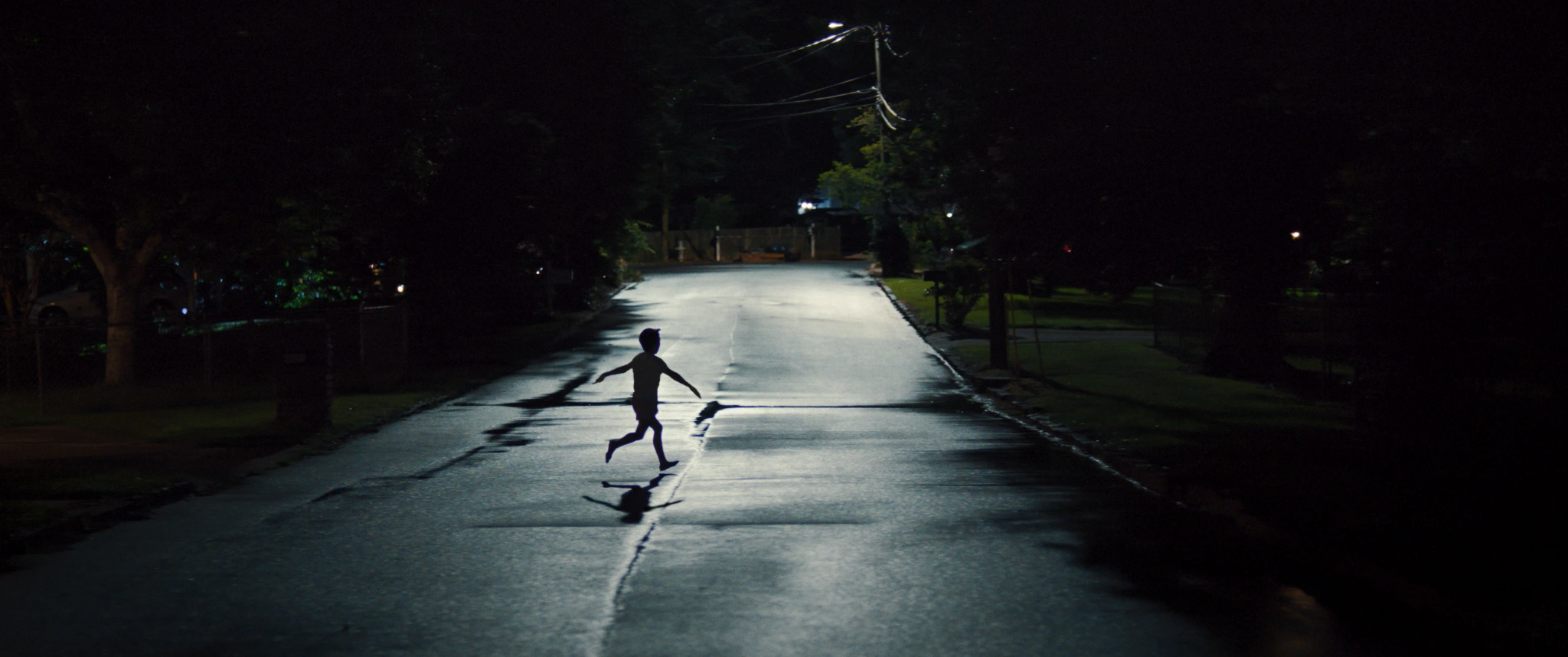
Underlying the entire film is a deeply primal fear: the disappearance of children. For any parent, the mere suggestion of such a tragedy is enough to trigger a visceral reaction, and Cregger exploits that emotional reality with ruthless efficiency. The film’s supernatural elements only intensify this fear, gradually suggesting that the explanation behind the disappearances may be far more disturbing than anyone initially suspects. Crucially, Weapons never attempts to tidy up that horror with a convenient explanation. The film’s most unsettling quality lies in its ambiguity. By refusing to spell out every detail of its mythology, Cregger ensures that the audience leaves the cinema still turning over the story’s implications. The terror lingers precisely because it isn’t neatly resolved.
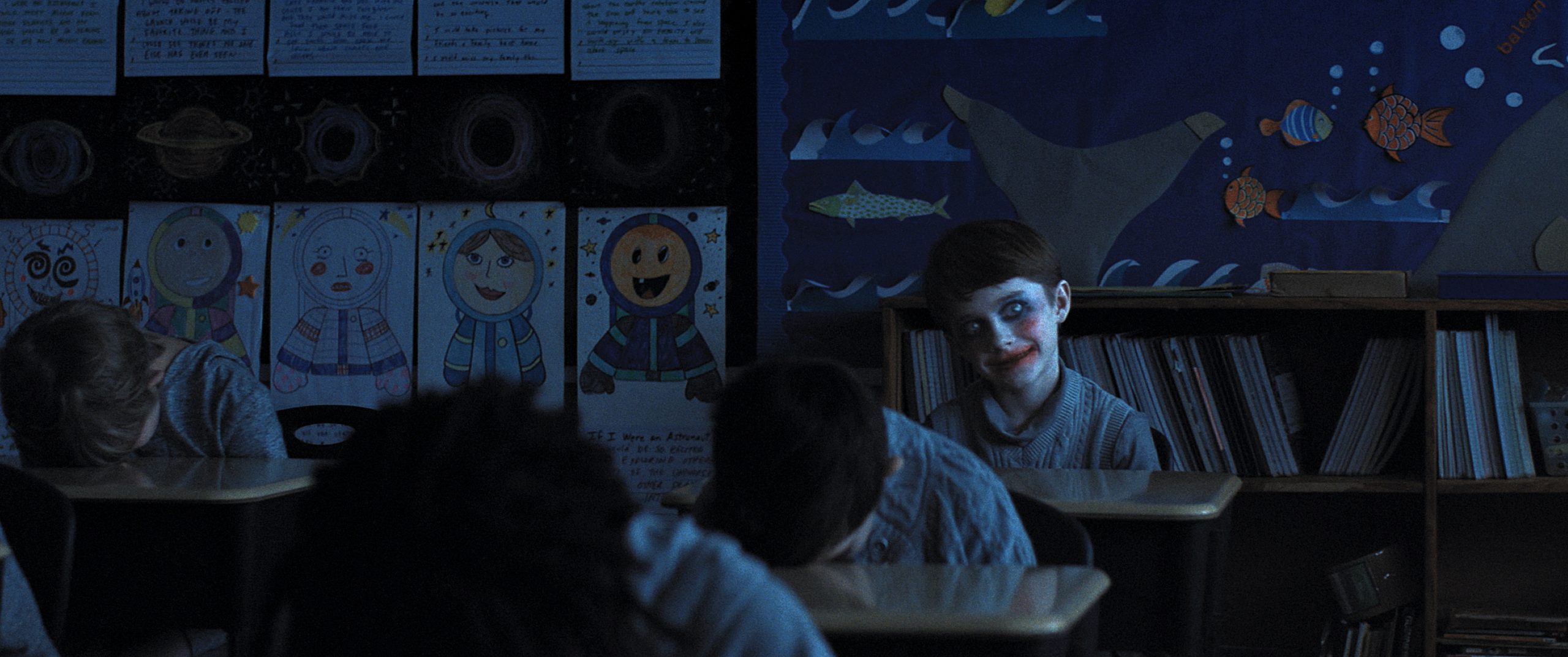
In the current miasma of high and low-budget horror cinema — where many films rely on formula or excessive exposition — Weapons feels refreshingly confident in its storytelling. It is intelligent without becoming pretentious, frightening without relying on cheap tricks, and constructed with a level of craft that rewards careful viewing. Quite simply, Weapons is one of the most accomplished horror films in recent years. Cregger has delivered a film that understands something fundamental about the genre: the scariest stories are rarely the loudest ones. Sometimes the quiet nightmares are the ones that stay with you longest. Essential viewing.
Who wrote this?