
Movie Review – 28 Years Later: The Bone Temple
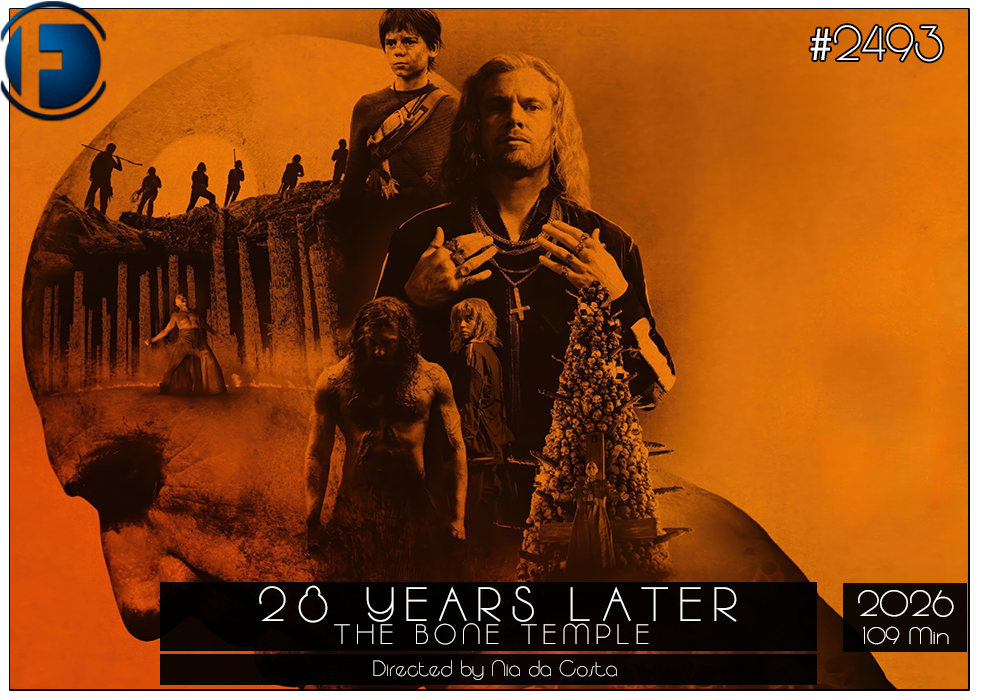
Principal Cast : Ralph Fiennes, Jack O’Connell, Alfie Williams, Erin Kellyman, Chi Lewis-Parry, Emma Laird, Sam Locke, Robert Rhodes, Ghazi Al Ruffai, Maura Bird, Connor Newall, Louis Ashbourne Serkis, Mirren Mack, David Sterne.
Synopsis: As Spike is inducted into Jimmy Crystal’s gang on the mainland, Dr. Kelson makes a discovery that could alter the world.
********
Franchises built on seismic cultural impact often face an unenviable dilemma when they attempt to extend themselves decades after their initial explosion. The original 28 Days Later, directed by Danny Boyle and written by Alex Garland, fundamentally altered the grammar of modern zombie cinema when it arrived in 2002. Its feral sprinting infected, raw digital cinematography and apocalyptic immediacy jolted a genre that had become comfortable with its own conventions. Everything since has inevitably existed in the shadow of that moment.
The franchise’s modern revival began with 28 Years Later, an ambitious but uneven attempt to imagine what Britain might look like after nearly three decades of quarantine from the rest of the world. As discussed previously, that film introduced intriguing ideas about social isolation and generational memory within a nation abandoned by civilisation — yet it struggled to assemble those themes into a cohesive story. Now comes 28 Years Later: The Bone Temple, the fourth entry in the series and the direct continuation of the narrative introduced in the previous instalment. Shot back-to-back with its predecessor but handed over to director Nia DaCosta, the film initially suggests the possibility of a tonal recalibration for the franchise. Unfortunately, while the stylistic execution shifts somewhat under DaCosta’s stewardship, the fundamental storytelling problems that plagued 28 Years Later remain stubbornly present.
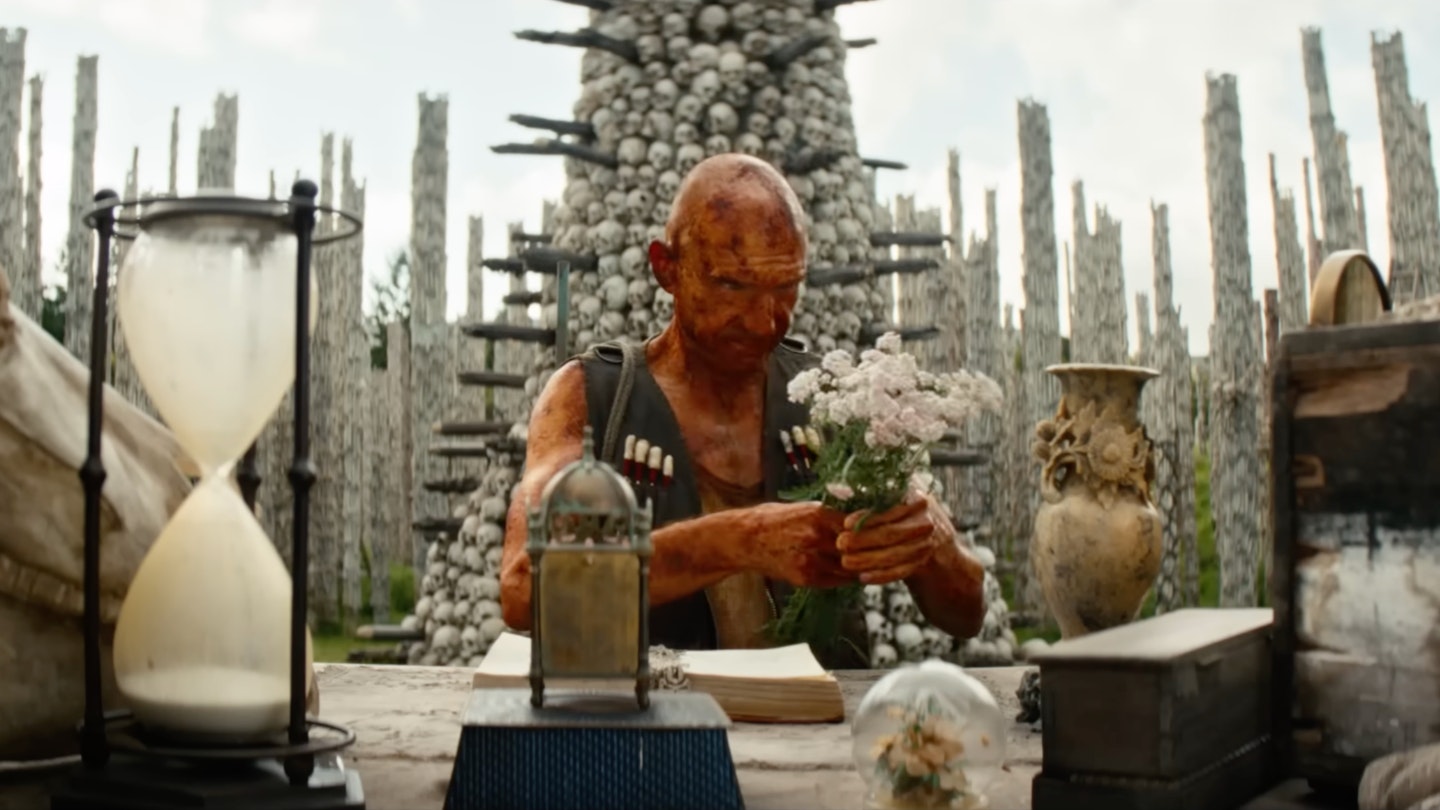
Where Boyle’s film often felt structurally scattered, The Bone Temple unfolds with a more conventional narrative shape. Scenes follow one another in a clearer, more linear fashion, and the production design retains the impressive scale and texture established in the previous film. It is, at least superficially, a more traditionally constructed piece of genre filmmaking. Yet a tidier structure cannot compensate for a screenplay that continues to wrestle with clarity. Garland’s writing remains relentlessly bleak, and here it feels slightly more confused about its thematic intentions than before. Character motivations drift in and out of focus, and the film’s larger ideas about the evolution of society within an isolated Britain never fully coalesce into something dramatically satisfying.
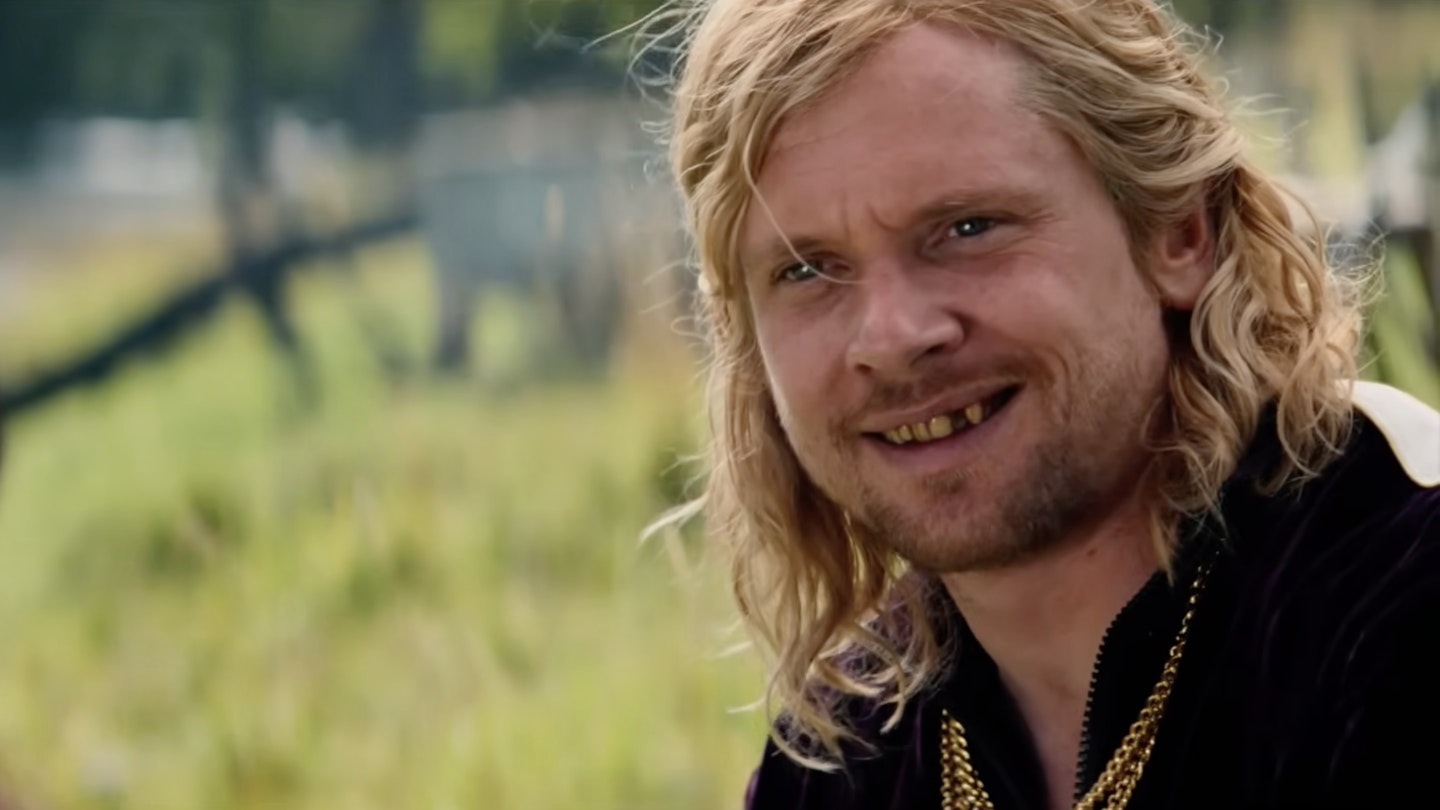
If 28 Years Later hinted at a broad canvas of post-apocalyptic world-building, The Bone Temple narrows its focus toward a far uglier form of human behaviour. At the centre of this shift is the film’s primary antagonist, Sir Lord Jimmy Crystal — a grotesquely charismatic tyrant portrayed with ferocious commitment by Jack O’Connell. The character is immediately presented as a deeply unsettling figure: peroxide-blond hair, garish tracksuits and an unsettling aura of performative menace. The visual cues unmistakably evoke the image of disgraced British television personality Jimmy Savile, widely regarded as one of the United Kingdom’s most notorious unprosecuted sexual predators. It’s an audacious and provocative reference point for a horror villain, one that suggests Garland may be attempting to position Jimmy Crystal as a symbolic embodiment of the nation’s moral decay. Within the narrative, Crystal presides over a violent faction of followers known as the “Fingers”, a gang of feral young men whose behaviour evokes the ultraviolent hooliganism of the Droogs from A Clockwork Orange. Much like Stanley Kubrick’s infamous hoodlums, these followers operate with a disturbing mixture of theatrical swagger and gleeful brutality.
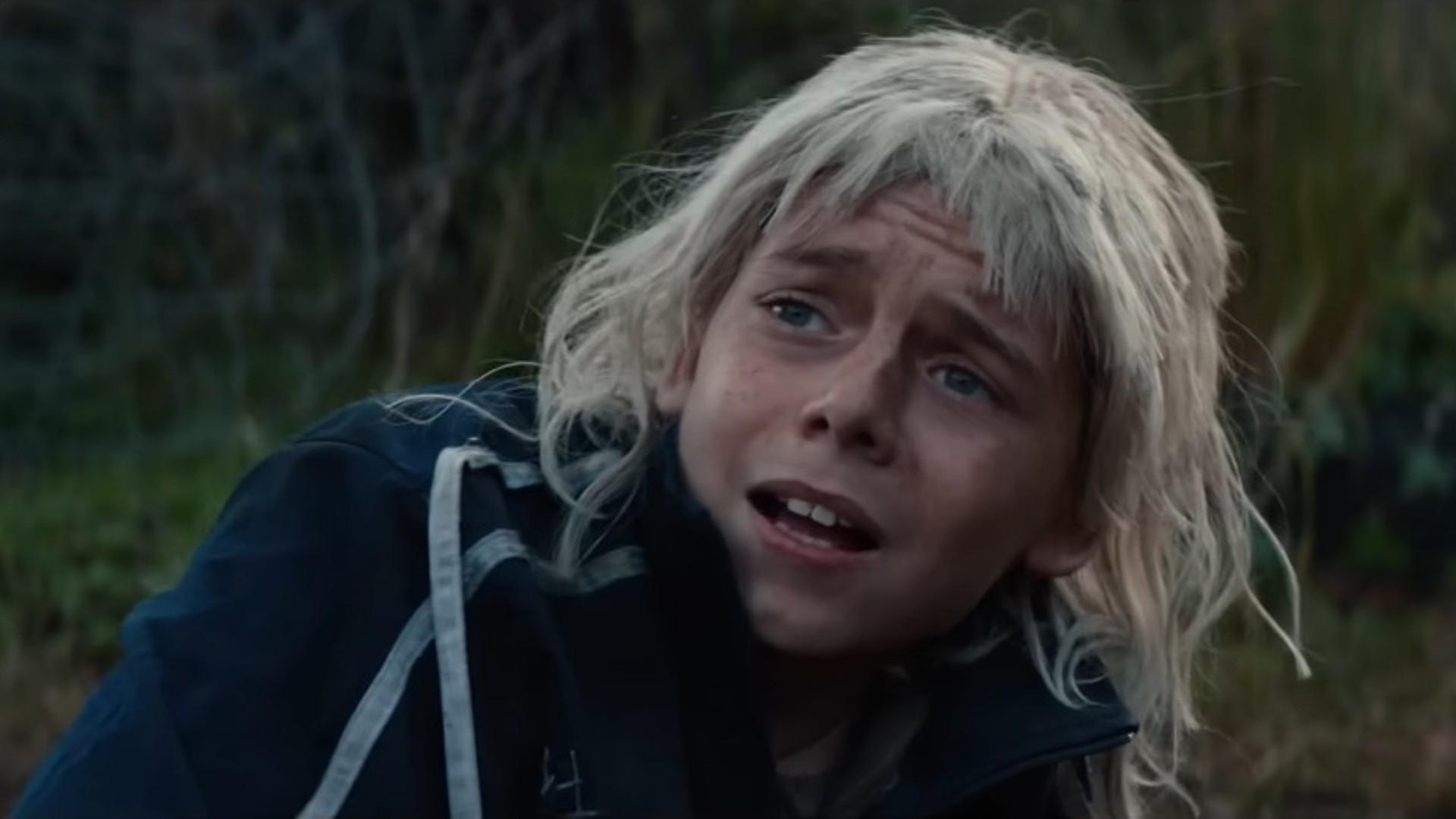
Cinema has seen its share of infamous gangs over the decades — from the baseball bat-wielding delinquents of The Warriors to the leather-clad anarchists of countless exploitation films — but the Fingers feel like something uniquely unpleasant. Their behaviour suggests a society that has not merely collapsed but rotted from within, its younger generation raised amid violence and indoctrinated into cult-like obedience. It’s an intriguing concept. A cult emerging within an isolated post-apocalyptic society carries enormous thematic potential, particularly in a Britain that has spent thirty years severed from the outside world. But the execution falters because Jimmy Crystal himself is so aggressively repellent. The film occasionally gestures toward a kind of tragic dimension beneath his cruelty — hints that the character might possess some warped internal logic shaped by childhood trauma and decades of societal breakdown. Unfortunately, by the time those gestures arrive the audience has already endured so much of the character’s sadism that the notion of redemption feels dramatically hollow.
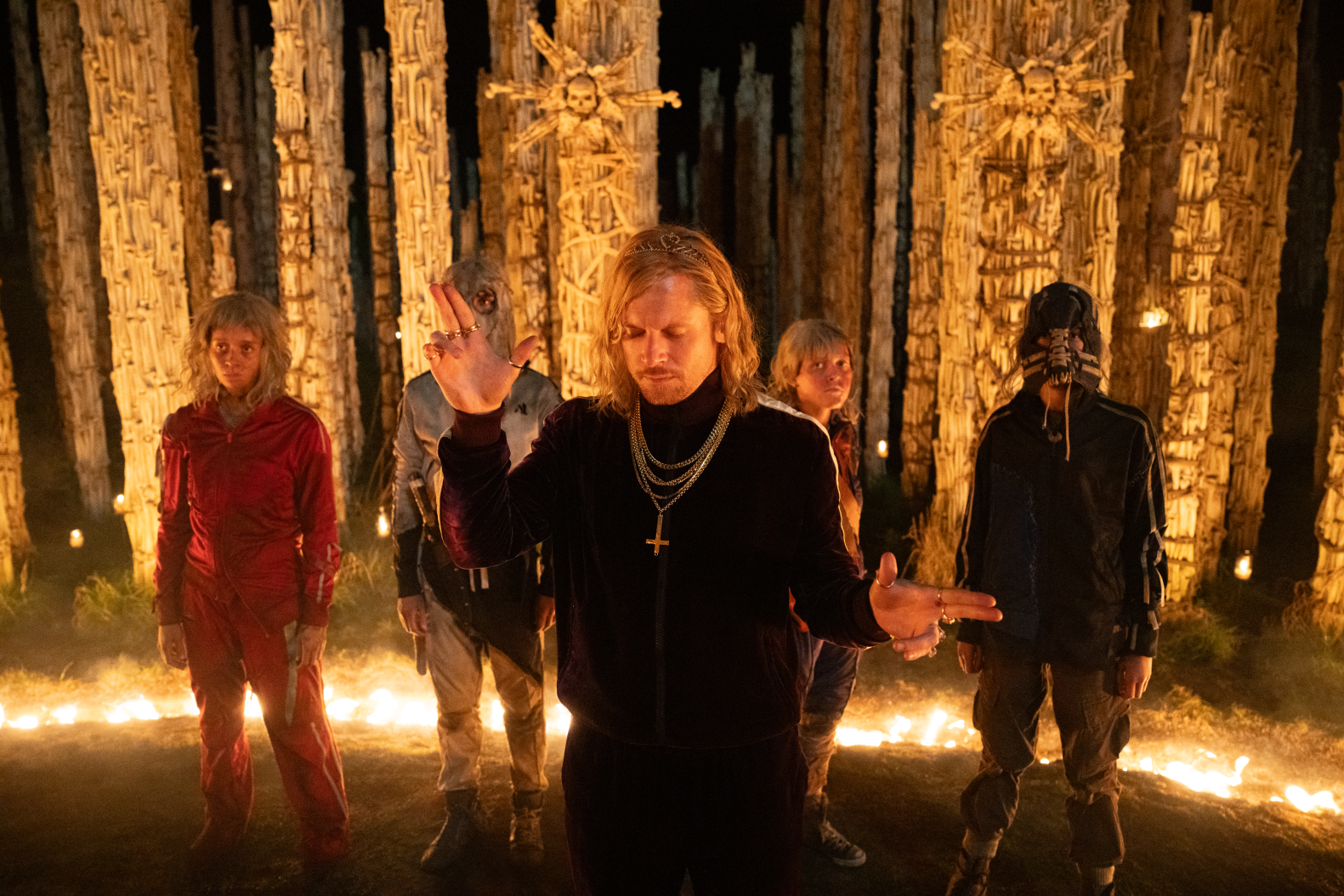
O’Connell throws himself into the role with fearless enthusiasm. His performance is energetic, theatrical and frequently compelling on a purely technical level. Yet the character’s moral depravity is so absolute that the film’s attempts to humanise him come far too late to register emotionally. If the film possesses any genuine dramatic anchor, it remains Ralph Fiennes as doctor Ian Kelson. Returning from the previous film, Fiennes once again proves himself the most commanding performer on screen. His presence brings a sense of gravity and emotional intelligence to a narrative that often threatens to collapse into nihilistic spectacle. The film’s climax grants him what may be one of the most delightfully unhinged moments of his career. In a macabre landscape of skeletal remains, Kelson launches into an ecstatic dance sequence while Iron Maiden’s thunderous anthem The Number of the Beast roars across the soundtrack. It is, quite frankly, bonkers. Yet Fiennes commits to the moment with such total conviction that it becomes perversely exhilarating — a bizarre collision of theatrical intensity and heavy metal bombast that nearly redeems the film through sheer audacity.
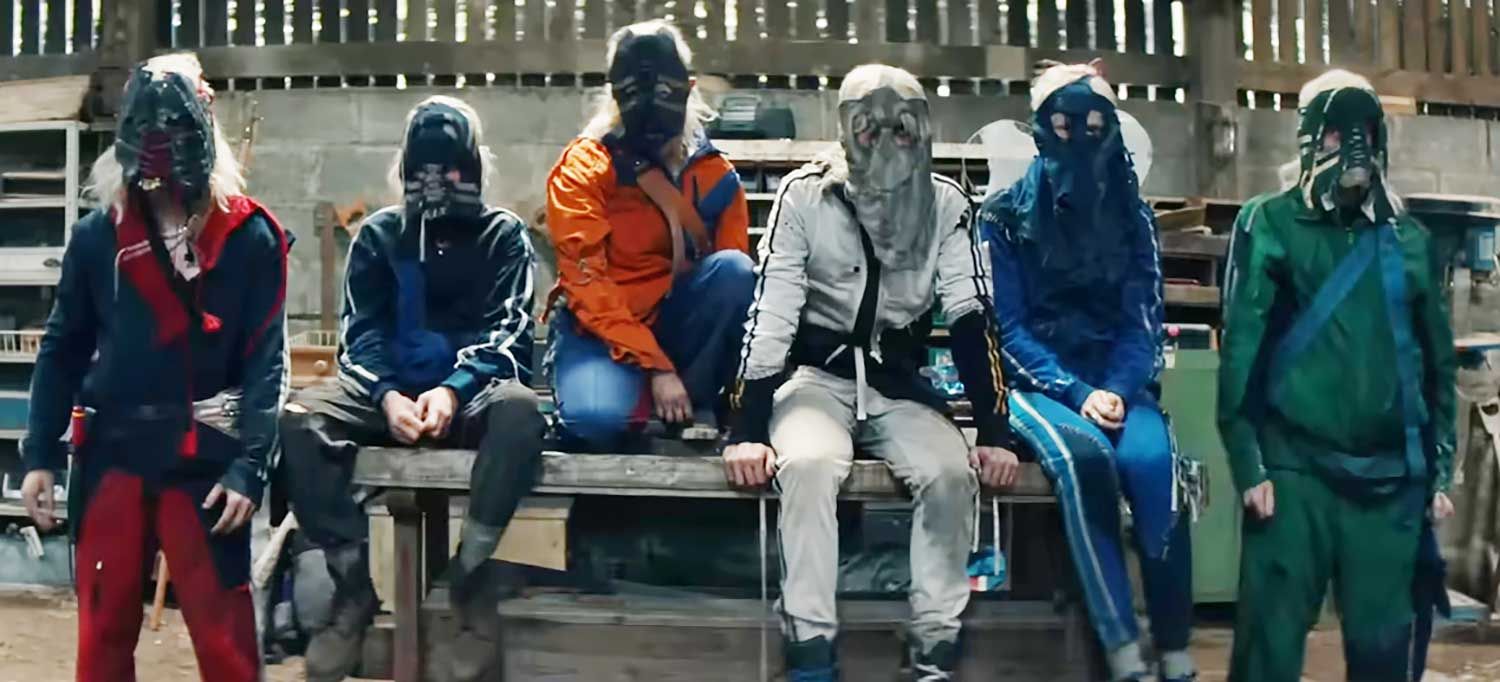
Before arriving at that climax, however, the audience must endure some punishing stretches of narrative inertia.
One subplot continues Kelson’s efforts to understand the Rage Virus and perhaps identify a cure, reconnecting him with Sampson from the previous film. This thread quietly sets the stage for the next instalment in the franchise, hinting at a future narrative that may finally explore the scientific implications of the virus rather than merely its horrific consequences. It’s arguably the most promising direction the series has pursued since its revival. Unfortunately, much like the dangling plot threads in 28 Years Later, the storyline here functions primarily as a teaser for future developments rather than a fully realised narrative arc.
The treatment of Alfie Williams’ character illustrates this problem particularly clearly. After serving as the emotional centre of 28 Years Later, Williams is reduced here to a supporting role with minimal narrative importance. His character drifts through the story largely as an observer, occasionally intersecting with Jimmy Crystal’s cult but rarely influencing events in meaningful ways. It’s a disappointing decision, especially given how heavily the previous film leaned on Williams to carry its emotional weight.
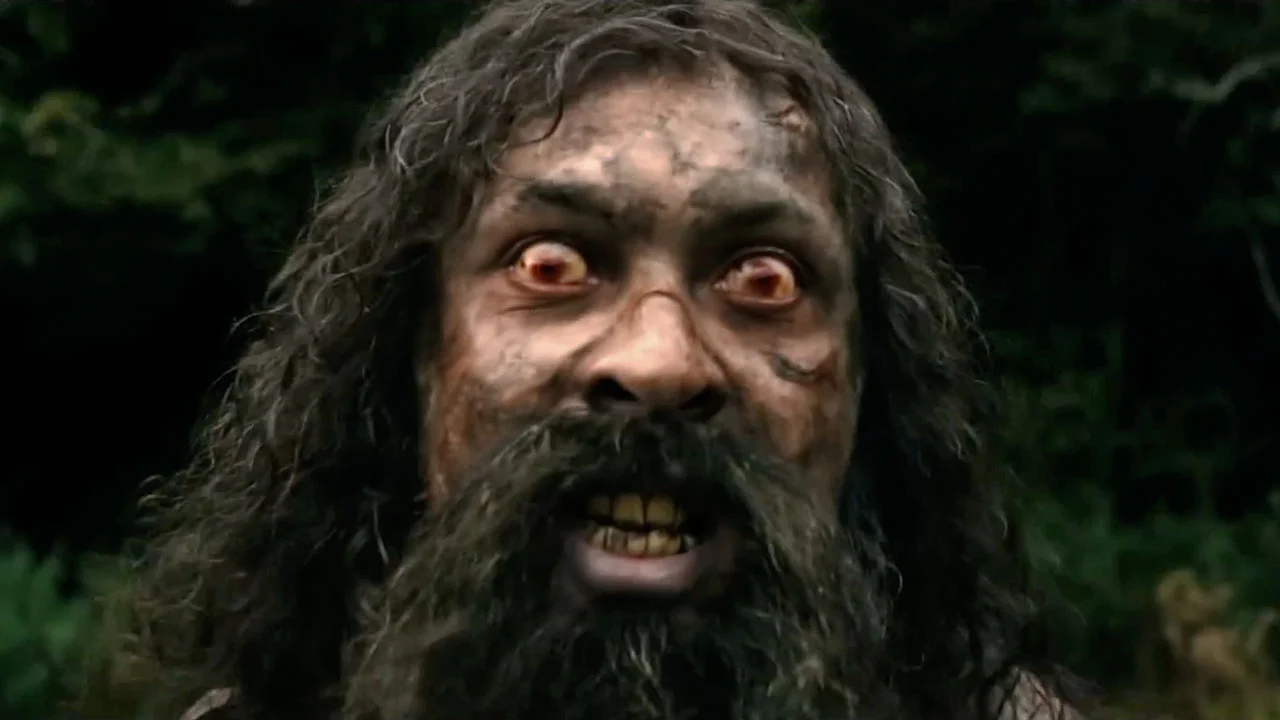
Visually, however, The Bone Temple remains impressive. The production design continues to depict a Britain that has spent three decades collapsing into feral ruin, with abandoned infrastructure slowly reclaimed by nature. Cinematographer Sean Bobbitt delivers some of the film’s most striking imagery, bathing the devastated landscape in a haunting palette of muted colours that give the world an almost dreamlike melancholy. The score, composed by Hildur Guðnadóttir, introduces a harsher and more contemporary musical texture than earlier entries in the franchise. Her discordant compositions amplify the film’s oppressive tone, occasionally lending scenes a sense of industrial dread.
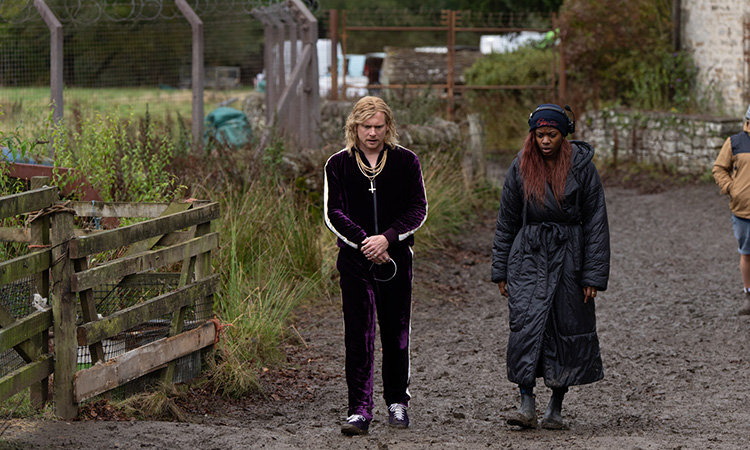
Yet visual beauty and sonic intensity cannot fully disguise the film’s most controversial moment: a prolonged torture sequence that unfolds midway through the narrative. Running for nearly twenty minutes, the scene depicts Jimmy Crystal’s followers subjecting captives to an extended ordeal of mutilation — including the slow, partial flaying of their victims. Horror aficionados will undoubtedly appreciate the technical craftsmanship and visceral shock of the sequence. For this viewer, however, the scene feels deeply uncomfortable in a way that transcends ordinary genre violence. Rather than serving the narrative, the brutality begins to feel almost pornographic in its obsession with suffering. The graphic nature of the injuries inflicted becomes less a storytelling device and more a grim endurance test for the audience. Twenty minutes of half-skinning people alive may impress hardcore gore enthusiasts, but dramatically it contributes very little to the story beyond emphasising Jimmy Crystal’s depravity.
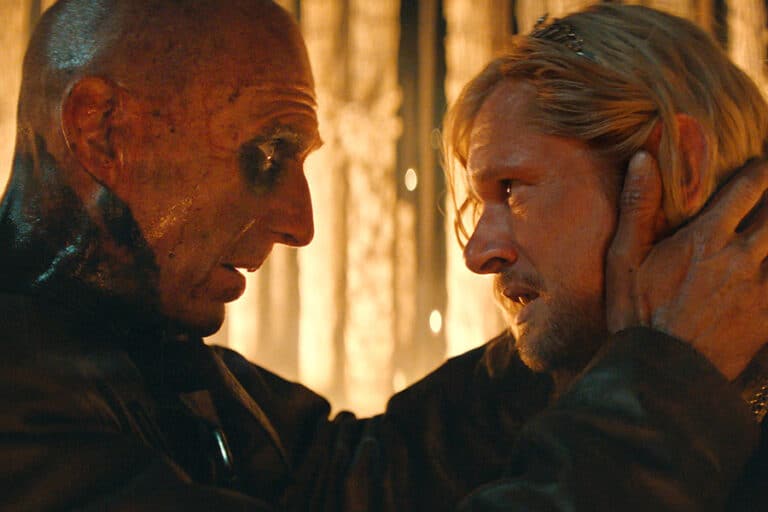
Beneath all this ugliness, the film hints at a number of compelling themes: cult group-think, generational trauma, and the psychological damage inflicted upon children raised in a civilisation cut off from the world. These ideas connect naturally to the thematic groundwork laid by 28 Years Later, which explored the notion of a Britain severed from the global community and forced to reinvent itself in isolation. In such a society, history becomes fragmented, memory unreliable, and identity increasingly shaped by myth rather than fact. The cult-like behaviour of Jimmy Crystal’s followers could have provided a fascinating window into how such social mutations occur. Unfortunately, the film rarely pauses long enough to interrogate those ideas. Instead, it prioritises spectacle and cruelty, leaving its thematic ambitions half-formed.
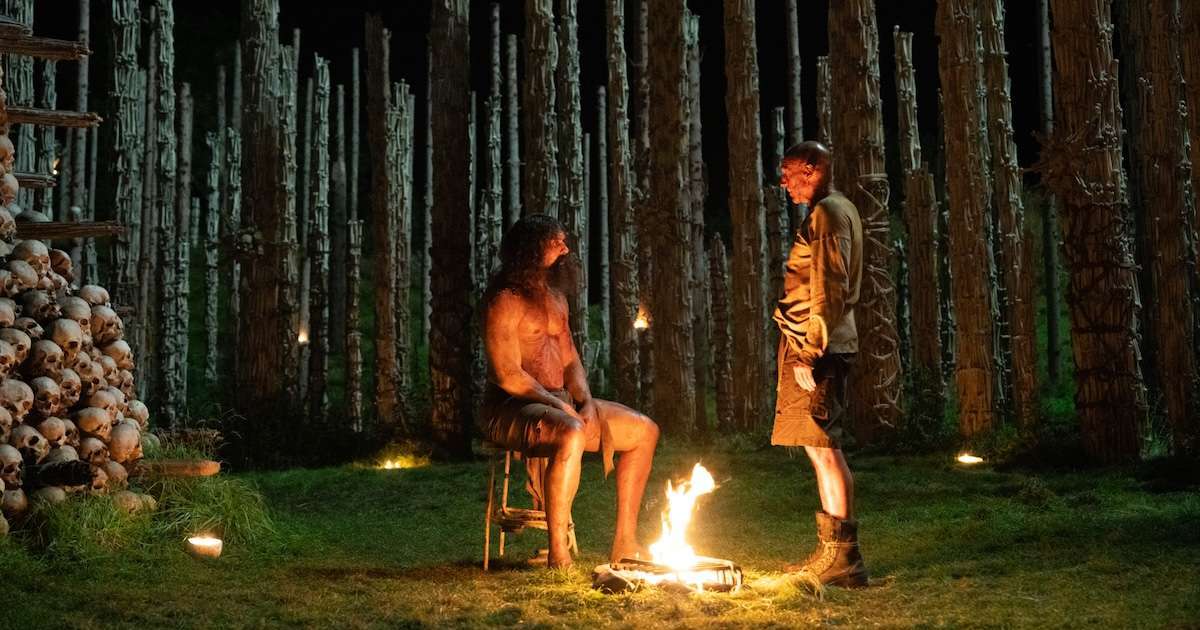
Taken together, 28 Years Later and 28 Years Later: The Bone Temple feel like chapters in a much larger narrative that has yet to fully reveal its purpose. Both films scatter intriguing ideas across their landscapes but struggle to transform those ideas into emotionally satisfying stories. That is perhaps the most frustrating aspect of this new trilogy’s opening act. Garland remains one of the most compelling creative voices working in genre cinema today. His work across film and television demonstrates a consistent willingness to challenge audiences with ambitious concepts and unsettling ideas. For that reason alone, it is disappointing to find both of these instalments falling short of the pulp thrills one might reasonably expect from a franchise built on the visceral terror of the Rage Virus. Even so, there remains a sense that the series is building toward something larger. The groundwork for a fifth film — the third entry in this revived trilogy — is clearly being laid, and one hopes that future instalments might finally bring the narrative threads together into something more cohesive.
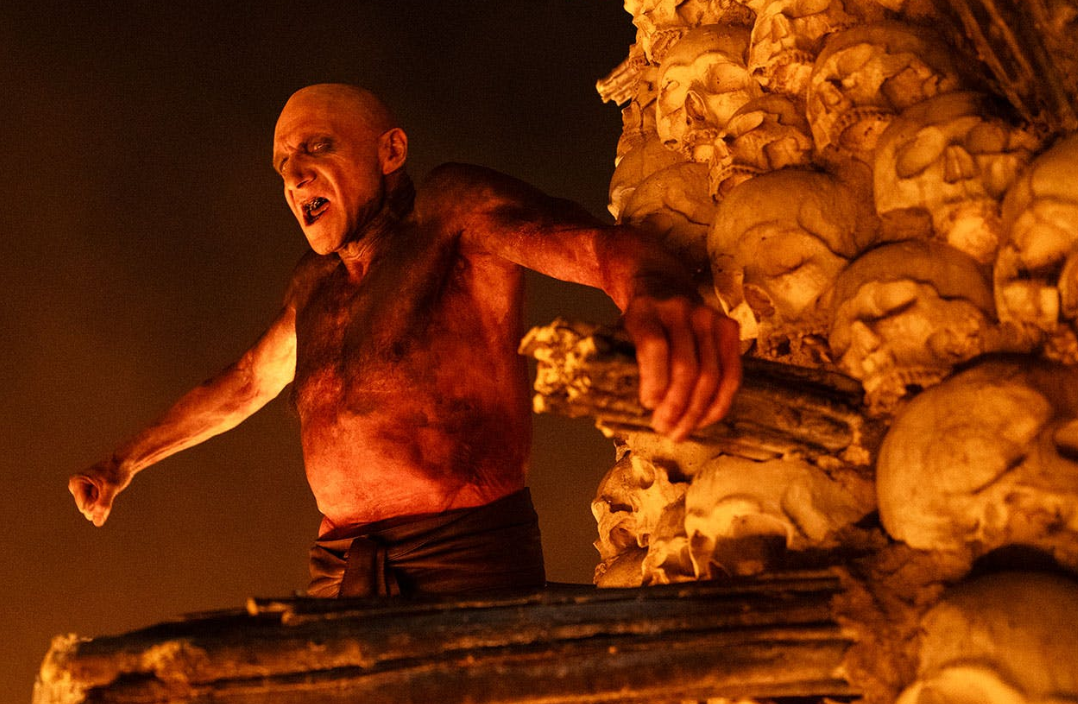
For now, 28 Years Later: The Bone Temple stands as a curious and often uncomfortable chapter in a once-electrifying franchise. There are moments of visual brilliance, flashes of fearless performance and a handful of ideas that hint at greater ambition. But much like its immediate predecessor, the film ultimately feels less like a satisfying story in its own right and more like a bridge to somewhere else. Whether that destination will ultimately justify the journey remains to be seen. For now, those of us who once thrilled at the anarchic terror of Boyle and Garland’s original outbreak may find ourselves watching this new chapter with a mixture of fascination, frustration — and cautious hope that the Rage Virus still has one truly great story left to tell.
Who wrote this?