
Movie Review – My Man Godfrey (1936)
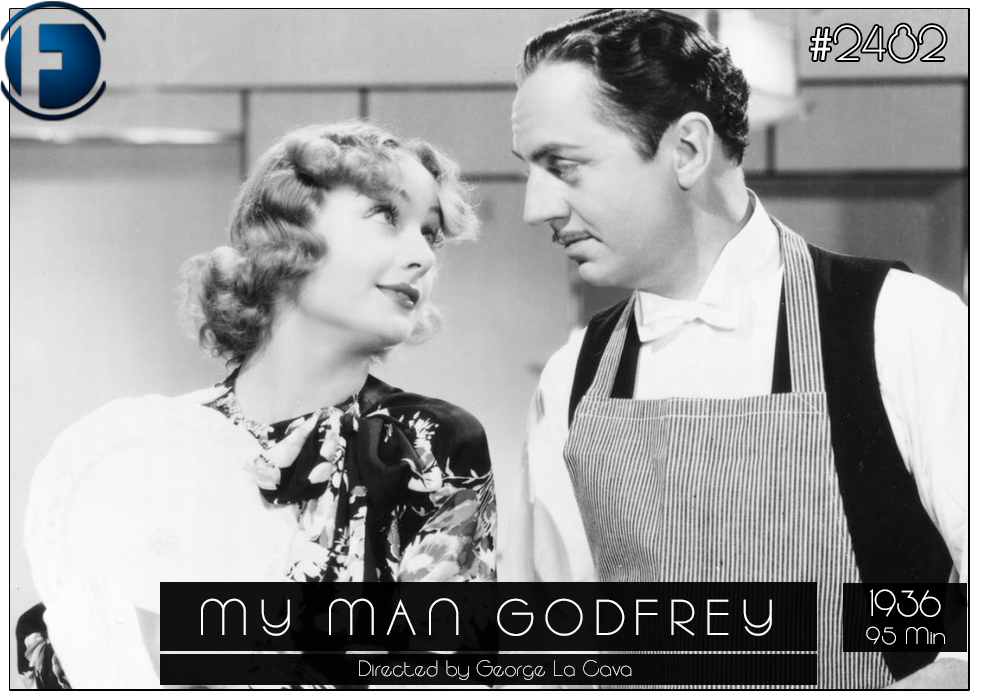
Principal Cast : William Powell, Carole Lombard, Alice Brady, Gail Patrick, Jean Dixon, Eugene Pallette, Alan Mowbray, Mischa Auer, Pat Flaherty, Robert Light, Fred Coby, Grady Sutton.
Synopsis: A scatterbrained socialite hires a vagrant as a family butler – but there’s more to Godfrey than meets the eye.
********
Among the great jewels of 1930’s Hollywood comedy sits My Man Godfrey, a film whose reputation has endured largely on the strength of its sparkling dialogue and the sheer charm of its performances. Directed by Gregory La Cava and released in 1936 at the height of the screwball comedy boom, the picture has long been considered one of the defining examples of the genre’s dizzying blend of social satire, romantic farce and high-society absurdity. Watching it today, nearly ninety years removed from the Great Depression milieu that inspired much of its narrative framework, it’s easy to see why the film still holds such affection for classic film devotees. The writing is superbly nimble, the dialogue crackles with wit, and the cast — led by the effortlessly suave William Powell and the irrepressibly chaotic Carole Lombard — seem to be enjoying themselves enormously as they tumble through a story that is less concerned with narrative mechanics than it is with letting its characters bounce gloriously off one another.
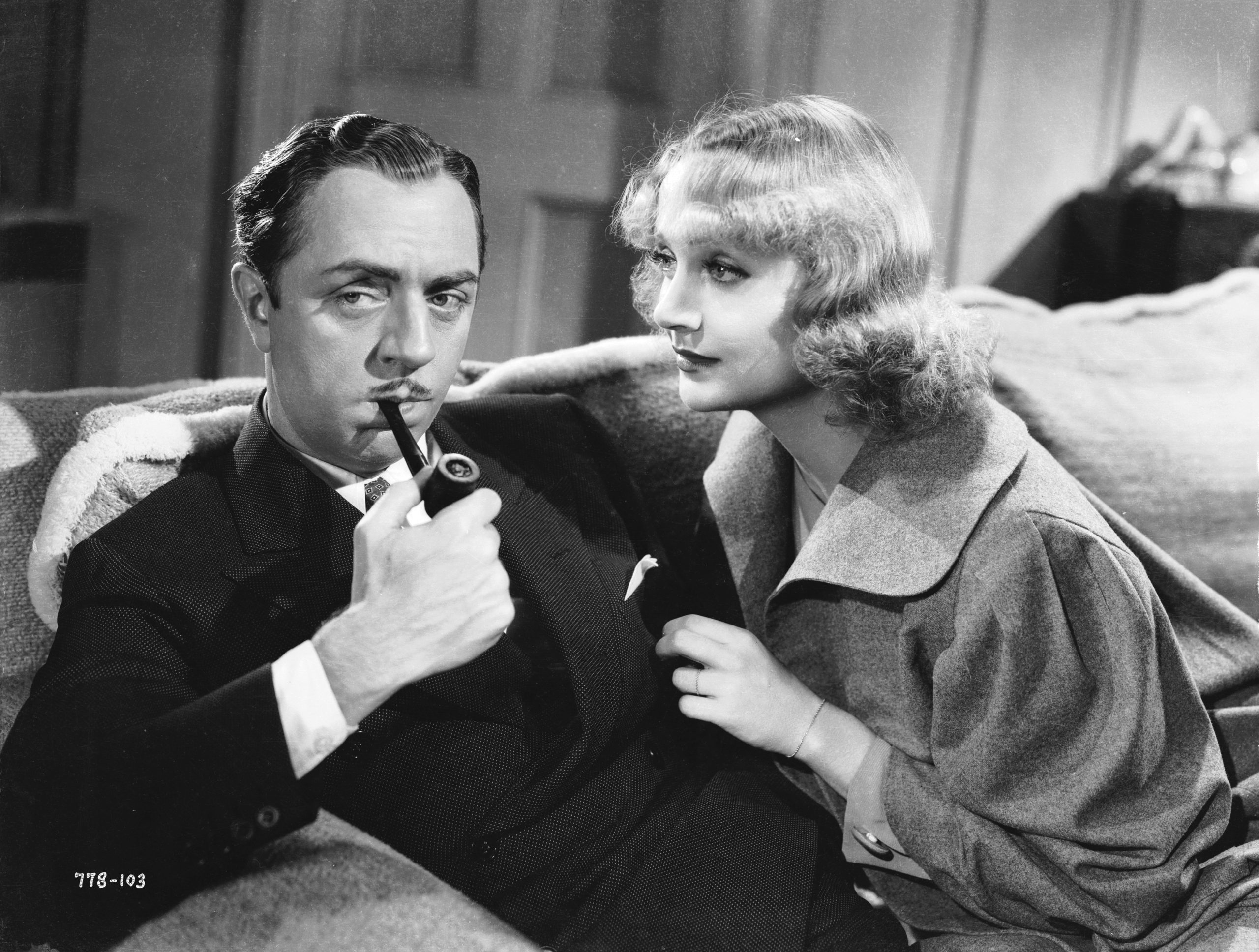
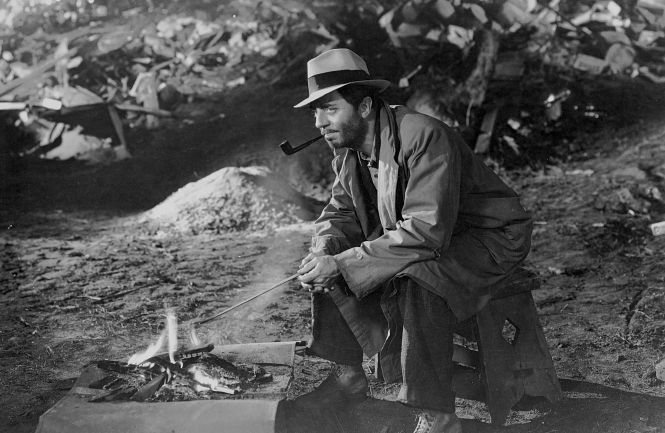
The film centres on Godfrey Parke (William Powell), a well-spoken but apparently destitute man living among the so-called “forgotten men” occupying a makeshift dump site on the outskirts of New York City. When wealthy socialite Irene Bullock (Carole Lombard) and her far more calculating sister Cornelia (Gail Patrick) arrive at the location during a scavenger hunt for their high-society friends, they discover Godfrey and impulsively recruit him as their “forgotten man” entry for the evening’s festivities. Irene, mortified by her sister’s cruelty toward him, later offers Godfrey employment as the Bullock family’s butler, a position he reluctantly accepts. Installed within the Bullock household — presided over by the scatterbrained matriarch Angelica (Alice Brady) and the perpetually exasperated patriarch Alexander (Eugene Pallette) — Godfrey soon finds himself navigating a whirlwind of eccentric personalities while Irene becomes increasingly convinced she has fallen hopelessly in love with him.
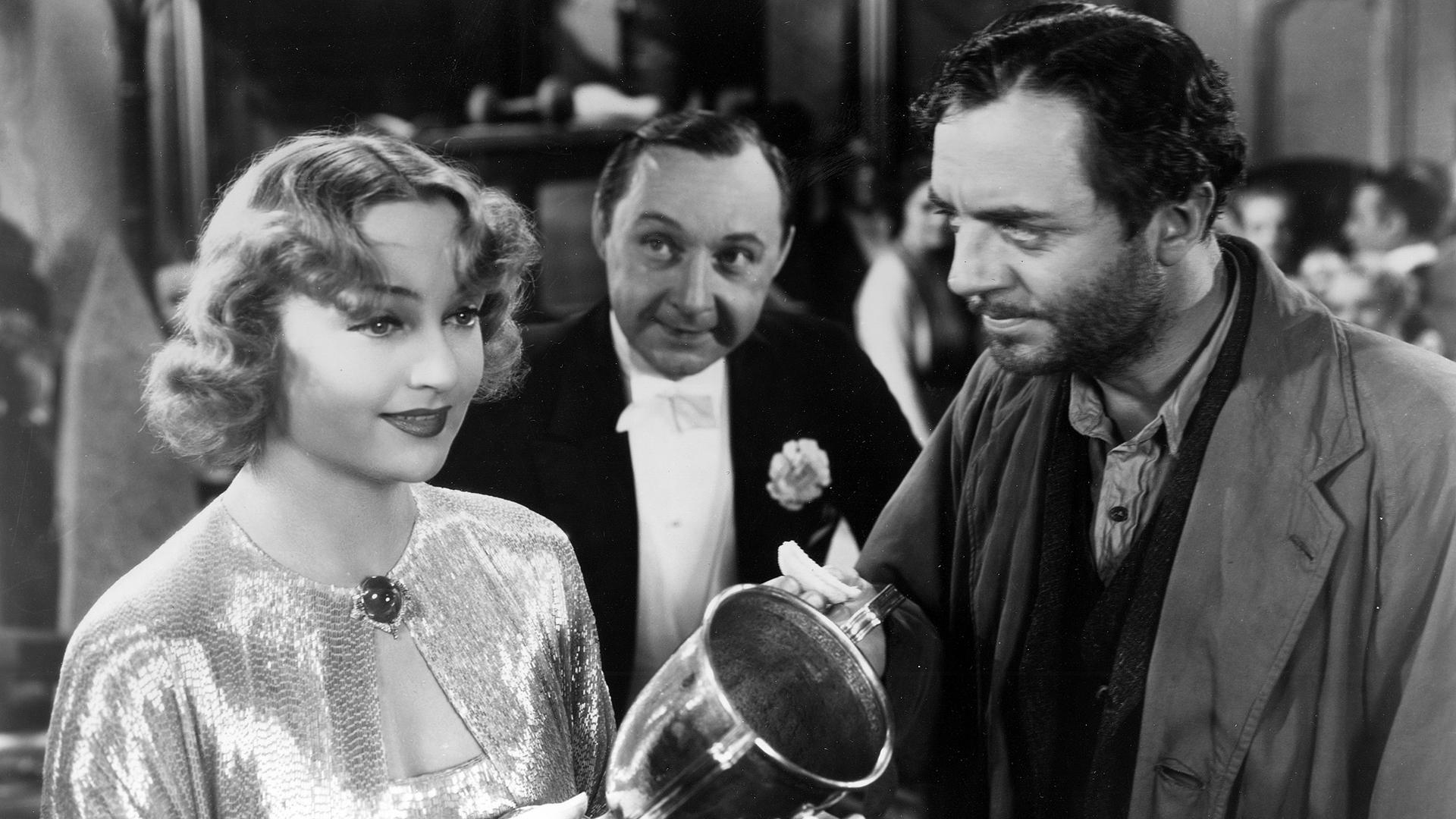
Much of what makes My Man Godfrey so enjoyable is the writing itself. The dialogue sparkles in a way that few modern comedies even attempt anymore; it’s fast, light, and frequently laced with the kind of effortless verbal dexterity that defined the golden age of Hollywood screenwriting. Lines are delivered with a brisk confidence that suggests both the performers and the script know precisely where the humour lies. Gregory La Cava’s direction wisely keeps the film moving at a pace that allows these exchanges to breathe without ever feeling sluggish, and the result is a comedy that feels buoyant and energetic even when the narrative itself is relatively slight.
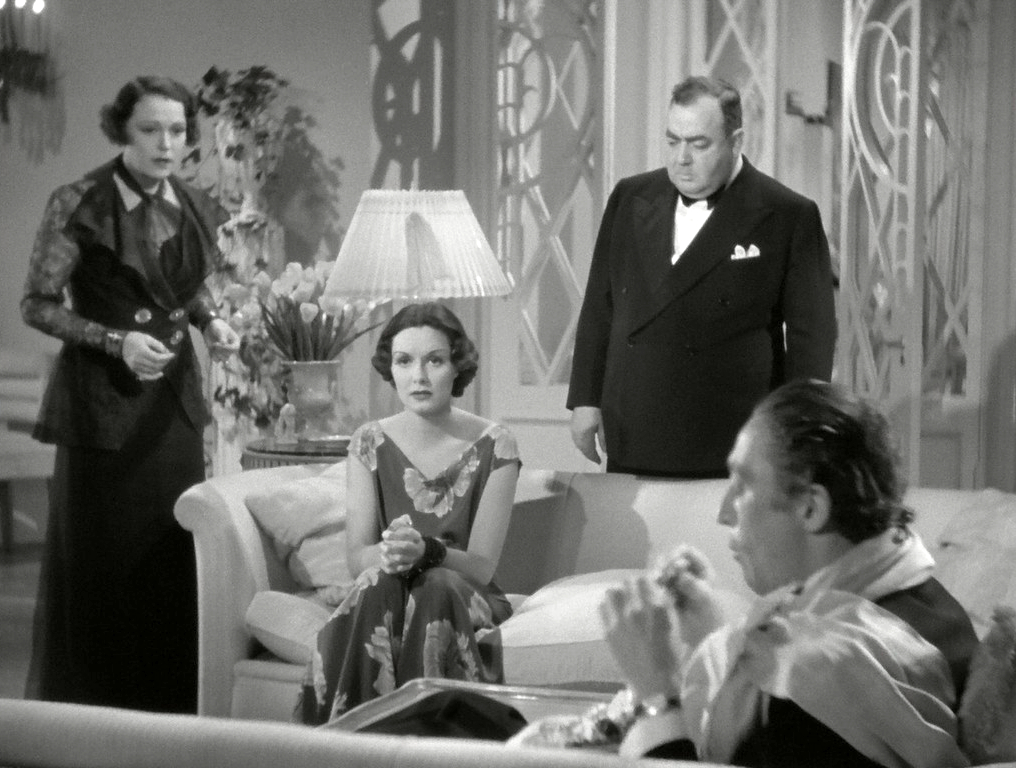
Alice Brady’s performance as Angelica Bullock emerges as one of the film’s true highlights. Her character is about as ditzy as they come — a woman so removed from reality she spends portions of the film convinced she is a neglected protégée of a fictional European composer — yet Brady imbues Angelica with such warmth that the character never feels mean-spirited or ridiculous. Instead, she becomes a kind of affectionate caricature of upper-class obliviousness, her scatterbrained enthusiasm providing some of the film’s most memorable moments. It’s easy to see why the performance earned Brady the Academy Award for Best Supporting Actress; she steals nearly every scene she appears in.
At the centre of it all, however, is William Powell. By 1936 Powell had already established himself as one of Hollywood’s most reliable leading men, and his screen presence here is as commanding as ever. Godfrey is a character who requires a careful balance of dignity, intelligence and quiet amusement at the absurdity unfolding around him, and Powell handles the role with effortless grace. His calm composure in the face of the Bullock family’s chaos gives the film a kind of grounding centre, allowing the surrounding madness to flourish without tipping the entire enterprise into nonsense.
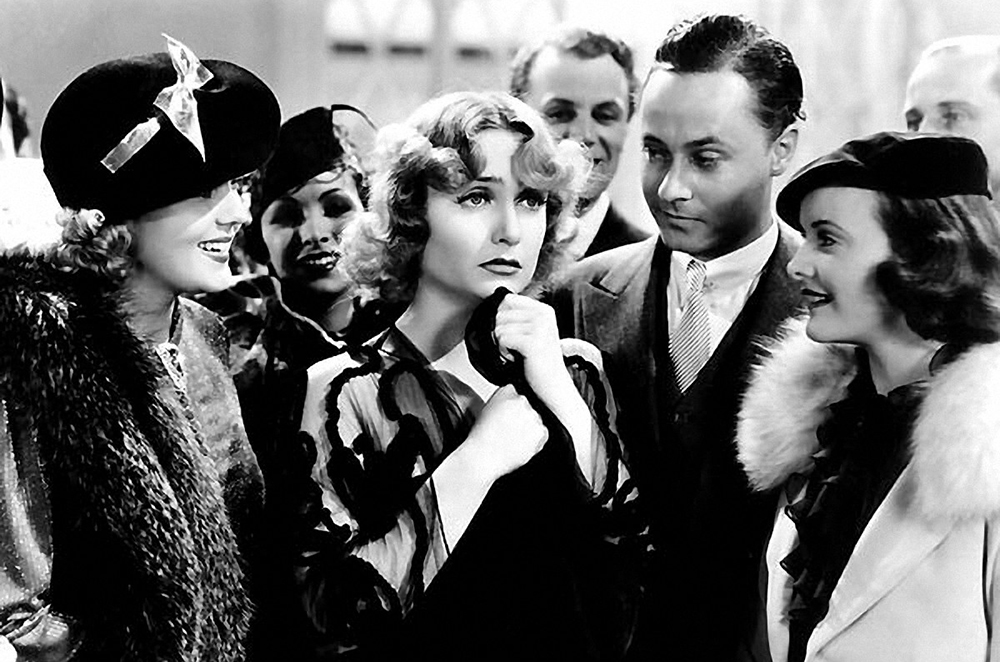
Powell’s chemistry with Carole Lombard is another essential ingredient in the film’s success. Lombard’s Irene is delightfully unhinged, a lovestruck socialite whose romantic obsession with Godfrey propels much of the story’s comedic momentum. Where Powell plays things with understated restraint, Lombard embraces the full manic energy of screwball comedy. Irene’s relentless pursuit of Godfrey — declaring her devotion with theatrical abandon and repeatedly insisting that he must love her in return — becomes a running gag that never quite loses its charm. The interplay between the two actors feels completely natural, as though their rhythms were designed to complement each other perfectly.
Elsewhere in the cast, Eugene Pallette proves a welcome presence as Alexander Bullock, the beleaguered patriarch of the household. Pallette had previously appeared alongside Powell in several of the Philo Vance mysteries, and here he seems to relish the opportunity to play a far larger and more animated role. His booming voice and perpetual frustration with his family’s antics provide an excellent counterpoint to Powell’s cool composure.
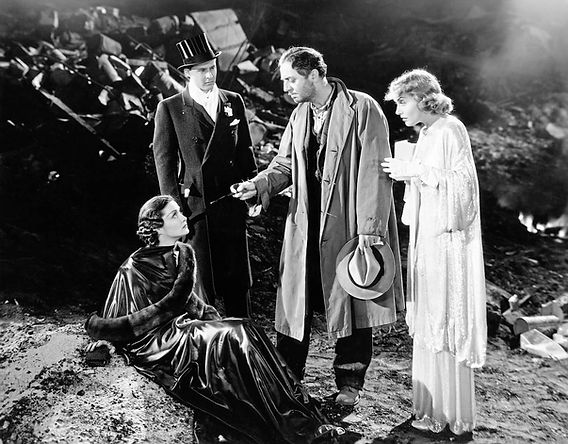
Gail Patrick’s Cornelia, meanwhile, adds a slyly acidic element to the proceedings. Watching her glide through scenes with an arched eyebrow and faintly disdainful expression, it’s difficult not to be reminded of Morticia Addams — that same elegant detachment paired with a sharp wit lurking just beneath the surface. Cornelia functions as something of a foil to her sister Irene’s wide-eyed innocence, and Patrick’s performance ensures the character remains entertaining rather than simply antagonistic.
Yet for all its delights, My Man Godfrey is not without elements that may sit uneasily with contemporary audiences. The film’s opening act, set among the so-called “forgotten men” of Depression-era New York, reflects attitudes toward poverty and homelessness that feel somewhat dated today. The script treats these displaced individuals with a mixture of sympathy and casual condescension, framing their circumstances as part of the broader social satire aimed at the oblivious wealthy elite. While the film’s heart ultimately lies in Godfrey’s quiet dignity and the exposure of upper-class frivolity, the phrasing and subtext surrounding these characters may not resonate as authentically for modern viewers. There is a faint tonal tension between this darker social backdrop and the otherwise lightweight screwball antics that dominate the remainder of the film.
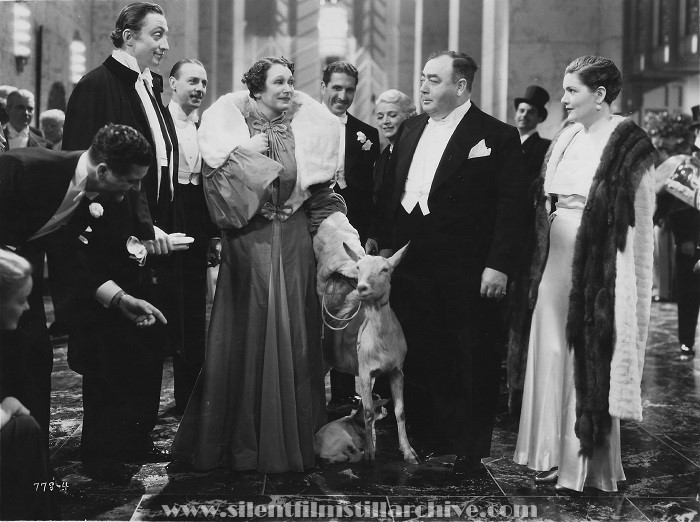
Still, these elements never fully derail the film’s overall charm. If anything, they provide a subtle reminder of the historical moment from which the story emerged. Hollywood comedies of the 1930s often used satire as a way to address the social anxieties of the Depression without becoming overtly political, and My Man Godfrey fits squarely within that tradition.
Comparing Powell’s performance here to his work in other roles also proves interesting. Fans familiar with his portrayals of the urbane detective Philo Vance will recognise the same poised intelligence that defined those mystery films. Likewise, the effortless rapport he displays with Lombard foreshadows the sparkling chemistry he would later share with Myrna Loy in the Thin Man series. Powell had a particular knack for playing sophisticated men navigating chaotic situations, and Godfrey Parke stands comfortably alongside his most iconic screen creations.
Several scenes linger in the memory long after the film concludes. Godfrey’s initial arrival at the Bullock residence to begin his employment as the family’s butler is played with delightful restraint, Powell delivering his lines with a dry humour that immediately establishes the tone of the household’s eccentric dynamic. Irene’s continuing attempts to convince Godfrey to fall in love with her provide a steady stream of comedic highlights, Lombard throwing herself into each moment with gleeful abandon. The film’s closing sequence, set within a newly established nightclub, offers one final flourish of comic timing. Amid the chaos of Irene’s romantic persistence and Godfrey’s carefully maintained composure comes one of the film’s most memorable lines: “Stand still Godfrey, it’ll all be over in a minute.” It’s a perfect encapsulation of the film’s playful spirit — absurd, affectionate, and delivered with impeccable timing.
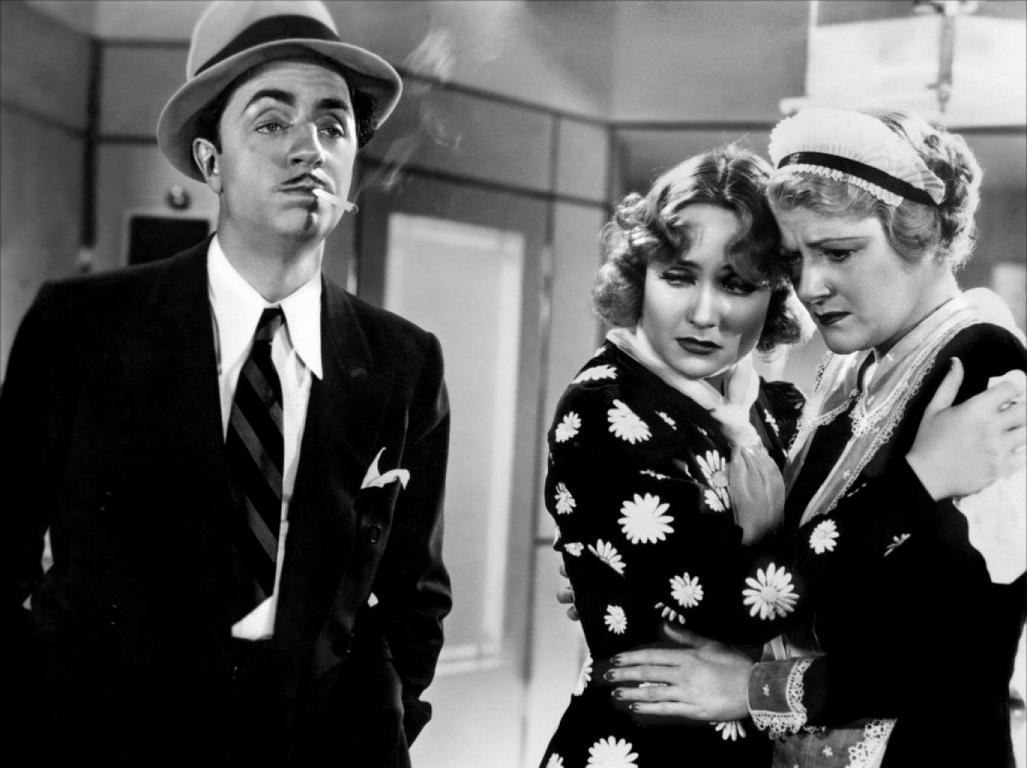
From a technical standpoint, the film reflects the polished studio craftsmanship typical of mid-1930s Hollywood. The production design captures the opulent absurdity of the Bullock household with just enough exaggeration to support the film’s satirical tone, while the cinematography keeps the focus squarely on the actors and their rapid-fire exchanges. Gregory La Cava’s direction rarely calls attention to itself, instead allowing the performances and dialogue to drive the narrative forward.
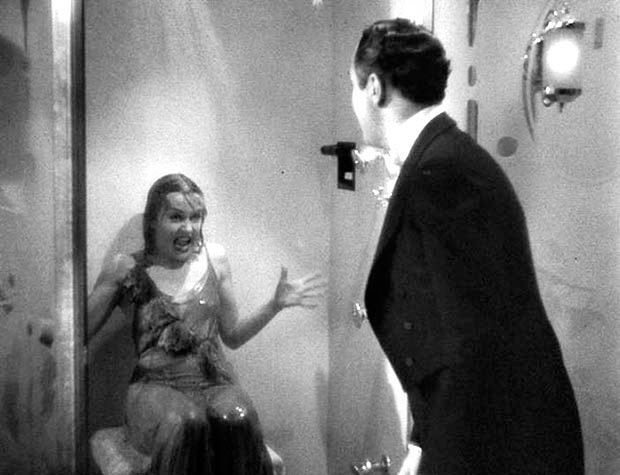
If there is a genuine weakness in My Man Godfrey, it lies in the thinness of its central plot. The story itself is little more than a framework upon which the characters can hang their various eccentricities. Yet in a screwball comedy, this is rarely a fatal flaw. The genre thrives on personality, pace and wit rather than narrative complexity, and in those areas the film succeeds admirably.
Ultimately, My Man Godfrey endures not because of its story but because of its characters and the actors who bring them to life. Powell’s unflappable elegance, Lombard’s manic romanticism, Brady’s delightful scatterbrained warmth and the surrounding ensemble’s impeccable comic timing combine to create a film that remains enormously entertaining even decades later. It may occasionally reveal the fingerprints of its era, and its social satire might not always land with the same clarity for modern audiences, but the sheer craftsmanship of the writing and the irresistible charm of its cast ensure that My Man Godfrey continues to sparkle. On balance, it remains a thoroughly enjoyable slice of classic Hollywood comedy — perhaps not flawless, but undeniably charming.
Who wrote this?